Commercial Roof Inspections Gallatin TN | TPO Roof Checklist
11 Nov, 2026
13Views 0 Like(s)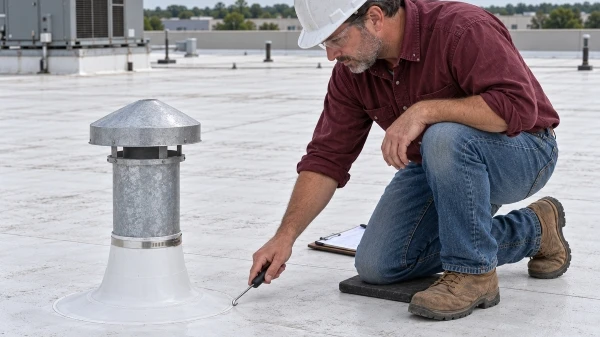
Learn what commercial roof inspections in Gallatin, TN cover on a TPO roof, what problems to spot early, and what a good report should include.
A roof can look fine from the parking lot and still be in trouble. Water finds the smallest gap and goes to work. By the time a stain shows up on your ceiling, the damage may have been growing for weeks.
If your building has TPO roofing in Gallatin, TN, you have a good start. TPO is light, white, and welded at the seams. But even a strong roof needs a check-up now and then. This post explains what happens during commercial roof inspections in Gallatin, TN, what inspectors look for on a TPO roof, and what you should get in writing when the visit is done.
Why Gallatin Roofs Need Checks All Year
Gallatin has hot summers, heavy storms, and winter freezes. Each season puts stress on a flat roof. Heat makes roofing materials expand. Cold makes them shrink. Wind and hail can damage the roof surface or the small details around the edges.
A flat roof on a store, office, warehouse, or church works hard every day. Many owners check it twice a year, in spring and fall. It also makes sense to check after a big storm, hail, or high winds. Small problems are cheaper to fix when you catch them early.
What an Inspector Looks At on a TPO Roof
A good inspection covers every part of the roof that can be reached safely. Here is what a roofer should check.
- The roof surface: They look for cracks, tears, blisters, worn spots, and holes from dropped tools or falling debris.
- Seams: TPO sheets are joined with hot air. The inspector checks for seams that are lifting, pulling apart, or showing gaps.
- Flashing: This is the material at walls, curbs, and edges. Loose, bent, or missing flashing is a common leak spot.
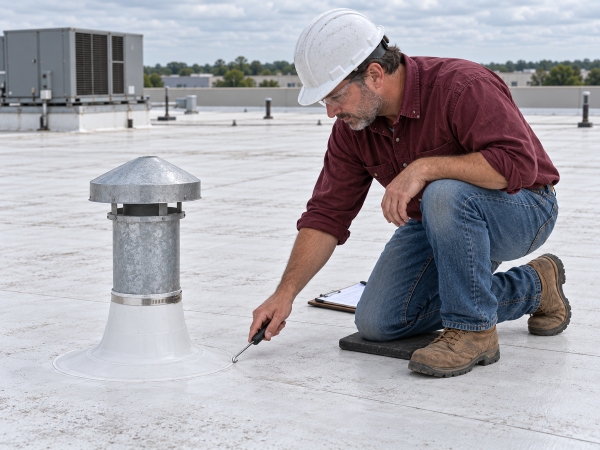
- Roof penetrations: Pipes, vents, and skylights all cut through the roof. Each one needs a tight seal. Dried or cracked sealant is a warning sign.
- Drains, gutters, and scuppers: These are checked for leaves, dirt, rust, and damage.
- Rooftop units: Workers walk around HVAC units all the time. The inspector checks for damage from foot traffic and for flashing that has been moved.
- Standing water: Puddles that stay for about two days after rain are worth a closer look, especially if they come back.
Why Seams Come First on TPO Roofing in Gallatin, TN
Ask any roofer what matters most on a TPO roof, and many will say the seams. A roof can have strong sheets and still leak through one weak weld.
Good TPO roofing Gallatin TN building owners rely on starts with clean, tight, welded seams. That work begins at installation, when the crew tests their welds and checks them after they cool. It continues for the life of the roof. As the years pass, an inspection is how you find out whether those seams are still holding.
An inspector will look closely at spots where sheets overlap. They will also check T-joints, where three layers meet. These tricky spots can show trouble before the rest of the roof does.
Signs You Should Call for an Inspection Now
Do not wait for the next season if you notice any of these:
- Water stains or drips inside the building
- Puddles that stay on the roof for days
- Bubbles or blisters in the roof surface
- Seams that look open or lifted
- Rust on metal parts
- Clogged drains
- Damage after a storm
- Recent work by HVAC or other trades on the roof
An active leak or storm opening needs fast action. Call right away so the problem does not spread.
What You Should Get After the Visit
An inspection is only useful if you can act on it. Before you book, ask what will be included. A good report has four parts:
- Photos: Close-up pictures show each problem. Wider pictures show where it is on the roof.
- Written notes: Each note explains what was found, where it is, and why it matters, in plain words.
- Repair priorities: The report should separate urgent repairs, planned maintenance, and items to watch.
- Limits: It should say which areas could not be reached or checked.
These records help you plan a budget and track the roof over time. They can also help when you talk with your insurance company. Still, coverage depends on your policy, the cause of the damage, and the proof available.
What a Visual Check Cannot See
A standard inspection covers what can be seen from the roof and, when allowed, from inside. Some problems hide under the surface. Wet insulation is one example. It can sit under a roof that looks perfect.
If the inspector suspects hidden water, they may suggest extra testing:
- Infrared scans: A thermal camera can show temperature patterns that may point to moisture under the roof. Weather and roof type affect the results.
- Moisture meter checks: These tools help find damp areas where the roof type allows it.
- Core cuts: A small sample shows the roof layers. The hole must be repaired right after.
- Water testing: In some cases, careful testing can help find an unclear leak source.
A clear report should keep three things apart: problems that were seen, problems that are suspected, and problems that testing has confirmed. If extra testing is advised, ask what it costs and why it is needed before you say yes.
Ready to Schedule Your Inspection?
If you want to know where your roof stands, Glick Roofing Systems can help. Tell the team about past leaks, old repairs, roof records, and any warranty papers. That helps shape the inspection so it covers your real worries.
Call 615-265-0598 to talk about your building and set up a visit. You can also request a quote through the Glick Roofing Systems website.
Frequently Asked Questions
What does a commercial roof inspection include?
It covers the roof surface, seams, flashing, penetrations, drains, rooftop units, and standing water. The inspector also notes any areas they could not reach. Ask for photos and written notes so you have a clear record.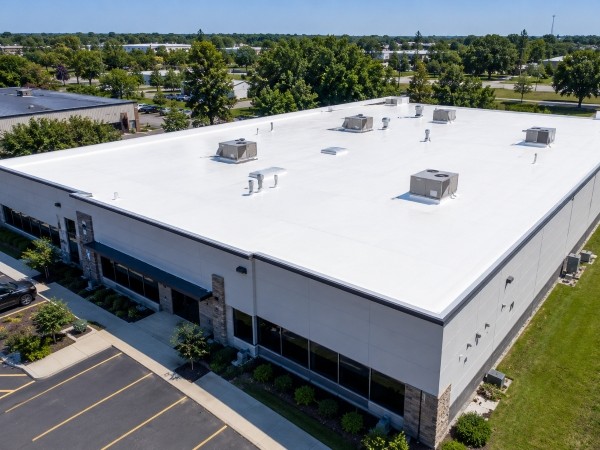
How often should a commercial roof be inspected?
Most commercial roofs do best with two inspections a year, in spring and fall. Add a check after major storms, hail, or high winds. Also follow the roof maker’s care rules, since they can affect your warranty.
How long does a commercial roof inspection take?
Many visual inspections take a few hours. A big roof, tough access, or many rooftop units can add time. Extra testing and report writing may take longer.
How much do commercial roof inspections cost in Gallatin, TN?
Price depends on roof size, roof type, access, and what the report includes. Extra testing may cost more. Call 615-265-0598 to ask about pricing for your building.
Can a roof inspection help with an insurance claim?
It can help. Dated photos, written notes, and repair records show what shape your roof was in. They do not promise coverage. Ask your insurance company what proof it needs.
Can an inspection find hidden leaks?
Sometimes. A visual check finds many clues, but wet insulation or hidden leak paths may need infrared scans, moisture readings, or core samples. The inspector can tell you if that extra step makes sense for your roof.



Comments
Login to Comment