Women Empowerment and the Rising Voice of Women in 2025
21 Sep, 2025
10662 Views 6 Like(s)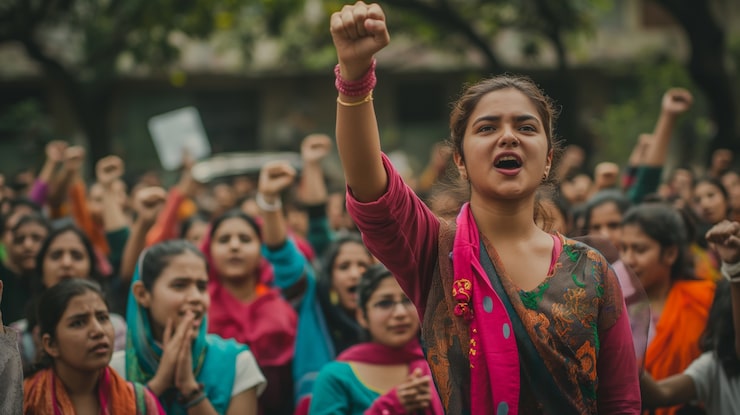
Empowerment is not a gift handed down; it is a state of being cultivated by awareness, confidence, and legal protection. In this blog, we’ll explore how far women have come, the unique power they hold in 2025, the challenges they still face, and why understanding one’s rights is the bedrock of true empowerment.
As we step further into 2025, the conversation around women empowerment has matured beyond symbolic gestures. It’s no longer just about inclusion—it’s about influence, ownership, and authority. Across sectors and societies, women’s voices are louder, more confident, and more critical than ever. But as women break ceilings and redefine norms, there is one element that remains foundational: knowing your rights.
Empowerment is not a gift handed down; it is a state of being cultivated by awareness, confidence, and legal protection. In this blog, we’ll explore how far women have come, the unique power they hold in 2025, the challenges they still face, and why understanding one’s rights is the bedrock of true empowerment.
The Evolution of Women Empowerment
Women empowerment has been a journey of generations of resistance, reform, and resilience. From the suffragette movements of the early 20th century to the gender equity goals of the 21st, progress has been slow, but undeniably powerful.
Key milestones include:
-
The Right to Vote
-
Access to Education
-
Workplace Rights and Equal Pay
-
Protection against Domestic Violence and Sexual Harassment
-
Political Participation
But 2025 is not just about catching up with rights denied in the past—it’s about redefining power structures and pushing the boundaries of what leadership and autonomy look like for women.
Women’s Voice in 2025: A New Era of Influence
In 2025, women are no longer waiting for permission. They are demanding space—and creating it where none exists. We see women leading global organizations, occupying presidencies, revolutionizing science and tech, and steering climate movements.
Some notable trends:
-
Women-led startups are at an all-time high.
-
Female politicians are shaping policy at every level of government.
-
Social media platforms amplify women’s stories in real-time.
-
Movements like #MeToo, #SheLeads, and #GirlsInSTEM continue to grow.
But more than achievements, what defines this era is the confidence in women’s voices. Women are speaking out on injustice, calling for reform, and sharing their lived experiences—unapologetically.
Challenges Women Still Face Today
Despite progress, empowerment is not universal. Many women still face structural and cultural barriers that prevent them from fully exercising their rights.
-
Gender-based violence and harassment
-
Pay inequality and occupational segregation
-
Lack of access to reproductive healthcare
-
Digital gender divide
-
Underrepresentation in politics and leadership
-
Cultural norms restricting education and mobility
Empowerment, therefore, cannot be assumed—it must be cultivated, especially through knowledge of rights and resources.
The Power of Knowing Your Rights
Empowerment without awareness is fragile. A woman may be ambitious, talented, and driven, but if she doesn’t know her rights, she remains vulnerable to exploitation and injustice.
Why rights awareness matters:
-
Prevents exploitation in the workplace or home
-
Strengthens confidence to report harassment or abuse
-
Helps women access opportunities like education, land ownership, or credit
-
Enables informed decision-making in relationships, careers, and health
A woman who knows her rights is not only empowered—she is unstoppable.
Legal and Social Rights Every Woman Should Know
In most countries today, women are protected by a comprehensive set of rights. Yet, millions remain unaware of these protections.
Key rights include:
a) Right to Education
Every girl and woman has the right to access free and compulsory education in many nations. Knowing this ensures that no girl is denied schooling.
b) Right to Work and Equal Pay
Women are entitled to equal remuneration for equal work, protection against workplace discrimination, and safe working environments.
c) Right to Safety and Protection from Violence
Laws against domestic violence, marital rape, dowry, trafficking, and sexual harassment are now more robust globally—but only effective when enforced and known.
d) Reproductive Rights
The right to access contraception, safe abortion (where legal), and maternal health services are vital to bodily autonomy.
e) Property and Inheritance Rights
In many cultures, women are denied land or inheritance. Legal awareness can challenge unjust practices and secure economic freedom.
f) Political Rights
Women have the right to vote, contest elections, and participate fully in public life.
Empowerment Begins with Awareness
Empowerment is not only about achieving success in the external world. It’s about internal liberation—from fear, from ignorance, and from silence.
Ways women can build awareness:
-
Attend legal literacy workshops
-
Follow reliable digital resources and organizations
-
Speak with legal or human rights professionals
-
Join community support groups
-
Teach other women and girls
The ripple effect of one informed woman can transform an entire community.
Global Movements Fueling Change
Across the world, grassroots and global organizations are making legal rights and empowerment more accessible:
-
UN Women’s Gender Equality campaigns
-
HeForShe movement engaging men in gender justice
-
Girls Not Brides tackling child marriage
-
Legal Aid clinics offering support to vulnerable women
-
Digital rights awareness groups for online safety
These movements prove that empowerment is not just a policy goal—it’s a lived reality when women unite for a cause.
Role of Education and Technology in Empowerment
Education has always been the most powerful tool for change. Today, technology amplifies that power.
How tech is helping:
-
Apps that provide legal help and emergency services
-
Online courses on women’s rights and leadership
-
Webinars and podcasts led by women experts
-
Social media campaigns educating women on consent, health, and finance
Digital tools make rights more accessible than ever, especially to rural or marginalized women.
Final Thoughts: The Road Ahead
Women in 2025 are redefining power—not as domination, but as inclusion, compassion, and courage. The voice of women today is not a whisper—it is a roar. But this voice must be backed by knowledge, protected by law, and strengthened by solidarity.
Every woman has the right to live a life of dignity, freedom, and opportunity. But to claim that life, she must first know it’s hers to take.
So to every woman reading this—educate yourself, speak up, support your sisters, and never stop demanding your rightful place in the world.
Comments
Login to Comment