Wildlife Safari india: Choose the Right Park and Plan a Bett
10 Nov, 2026
25Views 0 Like(s)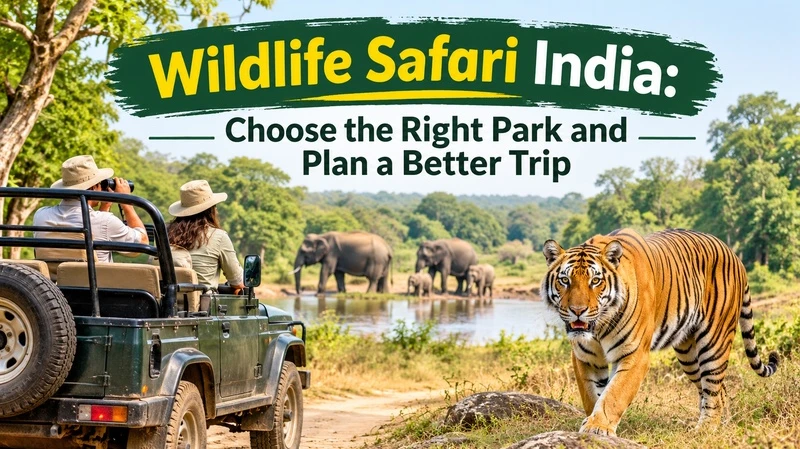
A tiger may cross a track in seconds, while a herd of elephants can spend an hour near a water hole.
A tiger may cross a track in seconds, while a herd of elephants can spend an hour near a water hole. A Wildlife Safari india trip can bring you close to animals in their natural home, including rhinos, deer, and many kinds of birds. Sightings are never guaranteed, so each drive is best enjoyed as time in the wild.
India’s parks have different animals, weather, rules, and travel needs. The right place depends on what you hope to see, when you can go, and how much time you have. A little planning can help you choose a park, book a suitable safari, and travel at a comfortable pace.
Wildlife Safari india: Choose a Park for Your Main Interest
Each park offers a different visit. Some have open grassland, while others have thick forest, lakes, or riverbanks. Match your choice to the wildlife and setting you most want to see, but keep your plans flexible.
Pick a park based on the animals you hope to see
Ranthambore, Kanha, and Jim Corbett are well-known choices for visitors hoping to spot tigers. Kaziranga is a strong choice for seeing one-horned rhinos and elephants. Periyar offers forest and lake habitats, where you may see elephants, deer, monkeys, and birds.
Animals move freely, so a park cannot promise that you’ll see a particular species on every drive. Even in a tiger reserve, you might spend the safari watching birds or fresh tracks instead. Choose a place you’ll enjoy even if your hoped-for animal stays out of sight.
Match the park to your travel route
Check how far a park is from your arrival city and where you can stay nearby. A long road or train trip can take up much of a short holiday. Add travel time to your plan before deciding how many safari drives to book.
When you have limited days, focus on one region instead of racing between parks across India. This gives you more time to rest and explore the area near your chosen reserve. For a Tiger safari india trip, for example, pick one tiger park that fits your route and allow enough time for more than one drive if your budget permits.
Wildlife Safari india: Pick a Season That Fits Your Plans
Weather affects comfort, road conditions, and how easy it is to spot animals. Hot days may feel tiring, while rain can affect access and park schedules. The best time for you depends on the park, the current rules, and how well you handle local weather.
Check park dates and local conditions
Park opening dates, closures, and booking rules can change. Check the park’s official website or contact an authorized safari operator before you make firm plans. Don’t rely on old travel posts for current details.
Some parks close parts of their safari area at certain times of year, and local conditions can affect access. Confirm what’s open for your travel dates, including the zone or route linked to your permit. Keep a backup plan in case a drive is changed or canceled.
Choose a safari time that suits your plans
Many parks offer morning and afternoon drives, but the hours vary by park and season. A morning outing can mean an early start and cooler air. Afternoon drives may work better for visitors who don’t want to wake before dawn, though the heat can be stronger.
Choose a time you can enjoy without rushing from your hotel or onward travel. Bring water and sun protection when park rules allow them. Ask your operator what you can carry, since rules for bottles, bags, and other items may differ.
Book a Safari That Follows Park Rules
A safari usually requires a permit, and the number of seats can be limited. Book through the park’s official channel or an authorized operator, then check the terms before paying. Rules for vehicles, routes, guides, and cancellations can vary between parks.
Reserve permits through official channels
Popular parks may fill up, especially for preferred dates or safari times. Check the current booking process early and make sure the permit details match your travel plans. Keep your booking confirmation and the required identification ready for check-in.
Don’t assume every fee or service is part of the permit price. Confirm what your booking includes, such as the vehicle, guide, and pickup. If you’re unsure, ask the park office or authorized operator before you pay.
Choose a responsible guide and operator
Read recent reviews and check whether the operator is allowed to work in the park. Ask who provides the guide and vehicle, and what happens if plans change. A clear answer can help you avoid last-minute surprises.
A good guide follows park rules and keeps a safe distance from animals. Avoid operators who promise a guaranteed sighting or encourage drivers to crowd wildlife. Respectful viewing helps protect animals and keeps visitors safer.
Pack for Comfort and Follow Safe Wildlife Practices
A safari drive can be bumpy, dusty, and exposed to sun or wind. Pack for the weather and the type of vehicle you’ll use. Families and first-time visitors should also check the ride length and any age or access rules before booking.
Bring practical clothing and essentials
Wear comfortable clothes in muted colors, plus footwear that works for getting in and out of the vehicle. Pack sun protection and any medicine you need. A reusable water bottle may be useful if the park allows it.
Check rules for bags, cameras, and other gear before you leave your stay. Large bags may not be allowed, and some parks limit what visitors can bring into the vehicle. Keep your kit light so you can settle in and watch the surroundings.
Watch wildlife without disturbing it
Stay in the vehicle when required and follow your guide’s instructions. Keep your voice low, and never feed, call, or approach an animal. A close view is not worth putting people or wildlife at risk.
Photographers should avoid loud noises and bright lights that may disturb animals. Ask your guide before using a flash, and don’t pressure the driver to leave the marked route. Patience often makes the drive calmer for everyone.
Make the Trip Count Beyond the Safari Drive
A park visit can include more than time in a vehicle. Leave room for local food, nearby towns, or a rest day between drives. A slower plan can make a short stay feel more rewarding without packing every hour.
Add time for the local area
Look for community-led visits or local guides with a clear role in the experience. Near Kaziranga, you can learn about the region’s villages and river plains; around Periyar, you can explore the nearby town of Thekkady. Choose activities that fit your route and respect local customs.
Ask what a visit involves before you book, especially if it includes wildlife or community sites. Reputable hosts should explain how the activity works and what visitors are expected to do. Keep enough time in your schedule to rest and reach your safari on time.
Set realistic expectations for sightings
Wild animals choose when and where to appear. Weather, season, noise, and chance all affect what you may see during a drive. Your guide can read signs such as tracks and calls, but no one can control an animal’s movements.
Notice the birds, plants, and changes in the forest as well as larger animals. A quiet stretch can still show you how the park works. That wider view can make the trip worthwhile even if a tiger or rhino stays hidden.
Conclusion
A rewarding Wildlife Safari india trip starts with a park that suits your interests and route. Check current dates and rules, book through a reliable channel, pack for the conditions, and give yourself time to enjoy the area. Patient, responsible visitors help keep safari drives safe and worth taking.



Comments
Login to Comment