Why Thousands of Parents Are Turning to Mobile Tracker Apps
24 Jun, 2026
1231 Views 0 Like(s)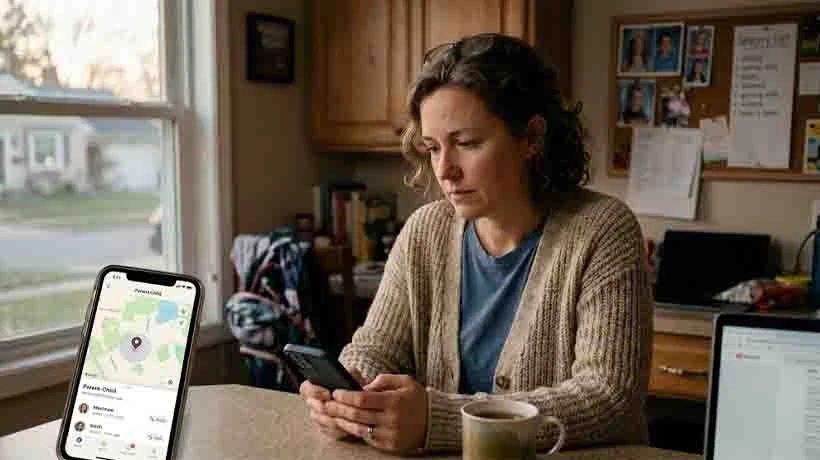
Those questions still matter. But they no longer always reveal the full picture. A large part of a young person's day now happens through a smartphone. Friends talk through chats rather than face-to-face. Trends begin on social media. School groups share work through apps. Games create communities that parents may never see
A few years ago, a parent could usually tell how a child was doing by asking a few simple questions. How was school? Who did you spend time with? What did you do after class?
Those questions still matter. But they no longer always reveal the full picture. A large part of a young person's day now happens through a smartphone. Friends talk through chats rather than face-to-face. Trends begin on social media. School groups share work through apps. Games create communities that parents may never see.
This change has created a visibility gap for many families. Parents want to give their children freedom, yet they also want to know when something is wrong. That is why thousands of parents are turning to a mobile tracker app as part of their digital parenting routine.
The reason is not simply fear. It is the need for better awareness in a world where important moments can happen behind a screen.
The Parent-Child Check-In Has Changed
In the past, checking in often meant calling home, speaking to a teacher, or meeting a child's friends in person. Today, a child may appear calm at dinner while dealing with pressure in a group chat, a gaming community, or a social media comment section.
This does not mean every online interaction is dangerous. Most children use their phones for normal and positive reasons. They talk to friends, watch videos, learn new skills, and relax after a busy day.
The problem is that parents may not notice a change until it affects sleep, mood, schoolwork, or confidence.
A mobile tracker gives parents a way to notice changes in device behavior earlier. It can show when phone use suddenly increases late at night, when new apps become part of a daily routine, or when a child's usual pattern changes without explanation.
That information does not replace a check-in. It makes the check-in more meaningful.
Parents Want Safety Without Taking Away Independence
Teenagers need room to grow. They need to make choices, build confidence, and learn how to manage responsibilities.
At the same time, parents still worry when a child starts traveling alone, staying after school, attending tuition classes, or spending more time with friends.
This is where a mobile tracker can create balance.
Instead of repeatedly calling to ask where a child is, parents can use location updates to confirm that the child has reached school, home, or another expected place. It gives young people more space while reassuring parents.
The goal is not to control every movement. It is to reduce unnecessary worry and make independence feel safer for both sides.
Digital Problems Often Start Quietly
Not every concern begins with an obvious warning sign.
A child may slowly withdraw from family conversations. They may stay up later than usual. They may become unusually protective of their phone. These changes do not always mean something serious is happening, but they can signal that a parent should pay closer attention.
Online bullying, peer pressure, and unwanted contact can develop quietly. Children may avoid talking about these issues because they fear losing phone privileges or being judged.
Parents who use a mobile tracking app can focus on behavior patterns rather than waiting for a major incident.
For example, a sudden shift in social app use may be worth discussing. A sharp increase in late-night activity may point to disrupted sleep. A new communication pattern may encourage a parent to ask, “Is everything okay lately?”
This approach is calmer and more supportive than reacting after a problem has already grown.
Families Are Managing More Apps Than Ever
The average smartphone is no longer limited to calls and text messages. It may include school portals, video apps, games, browsers, messaging platforms, short-video feeds, photo-sharing apps, and private chat tools.
Parents cannot realistically understand every new app the moment it becomes popular.
A mobile tracker app helps them see which apps are becoming important in a child's routine. This is useful because app names alone do not tell the full story. Parents can learn which platforms deserve a closer look and which ones are simply part of schoolwork or harmless entertainment.
This kind of awareness helps parents stay involved without pretending they know every trend already.
Screen Time Is About Patterns, Not Just Hours
Many families argue about screen time because they focus only on the total number of hours.
However, the timing and purpose of phone use can matter just as much.
Two hours spent researching a school project is very different from two hours of scrolling through upsetting content at midnight. A child who uses a phone after homework may have a healthy routine, while another may be losing sleep because notifications keep pulling them back online.
Parents are turning to mobile trackers to understand these patterns.
The information can help them create fairer boundaries. Instead of making broad, arbitrary rules, they can discuss specific habits that affect rest, family time, or concentration.
That makes digital rules easier to explain and more likely to be followed.
TheOneSpy Helps Parents See the Bigger Picture
A basic location tool may show where a phone is, but many parents need a clearer view of how the phone fits into daily life. This is where TheOneSpy can support a more informed approach to parenting.
TheOneSpy offers GPS location tracking and location history for parents seeking reassurance about their children's travel routines. Its Geo-Fencing feature can also notify a parent when a device enters or leaves a designated area, such as a school, home, or coaching center.
For digital routine concerns, TheOneSpy provides app activity monitoring and screen recording. These features can help parents understand how apps are used rather than relying solely on screen-time totals.
Browser history monitoring can also help parents spot online interests that may need guidance. Keyword alerts provide another useful layer of awareness by flagging selected words or phrases that could point to a conversation worth discussing.
TheOneSpy is most useful when parents treat these features as tools for context. A report or alert should lead to a thoughtful conversation, not an instant accusation.
Better Information Can Reduce Family Arguments
Many arguments about phones start with assumptions.
A parent may think a child is wasting time online. The child may feel misunderstood because they were doing homework, talking to a friend, or watching something harmless.
A mobile tracker can reduce some of that confusion by providing a clearer view of device activity.
When parents have context, they can ask better questions. When children feel heard, they are more likely to explain what is happening.
This does not mean every family conversation becomes easy. It does mean parents can move away from vague claims and focus on real habits.
That shift can make digital parenting feel less like a daily fight.
A Mobile Tracker Works Best With Clear Family Rules
Technology is most helpful when everyone understands the purpose behind it.
Parents should set expectations about phone use, online safety, bedtime routines, and what will happen if a concern arises. The conversation may look different depending on a child's age and maturity, but clarity is important.
A mobile tracker should be part of a wider family plan. It can support safety, encourage responsible choices, and help parents notice when extra support is needed.
It should not become the only way a parent stays connected with a child.
Final Thoughts
Parents are turning to mobile tracker apps because family life has changed. Smartphones now influence friendships, routines, learning, and emotional well-being in ways that are not always visible from the outside.
The right mobile tracker can help parents close that visibility gap. It can offer reassurance during travel, reveal changing device habits, and create opportunities for timely conversations.
TheOneSpy supports this need through location tools, Geo-Fencing, app activity insights, screen recording, browser monitoring, and keyword alerts. Used responsibly, these features can help parents stay present in their child's digital life while still respecting their growing independence.
A mobile tracker is not about watching every moment. It is about having enough awareness to guide, support, and respond when it matters most.


Comments
Login to Comment