Why PM Modi Asked Indian Families Not to Buy Gold for a Year
11 May, 2026
1772 Views 0 Like(s)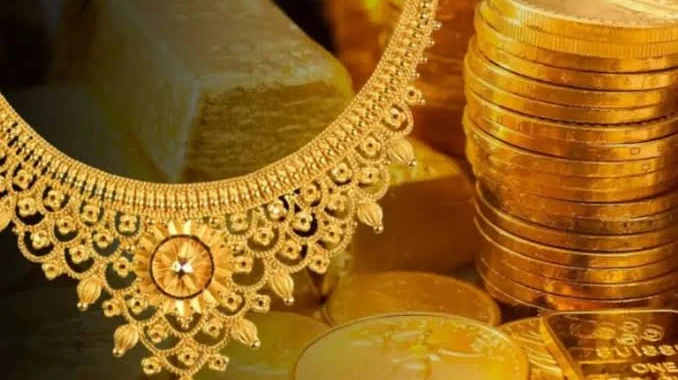
Why PM Modi Asked Indian Families Not to Buy Gold for a Year
Gold has always held a special place in Indian households. From weddings and festivals to long-term savings, buying gold is deeply connected to Indian culture and tradition. However, there was a time when Prime Minister Narendra Modi urged Indian families to reduce gold purchases and avoid buying excessive gold for a certain period. His appeal was not against tradition, but rather focused on strengthening the Indian economy and reducing financial pressure on the country.
India is one of the largest consumers of gold in the world. Every year, Indians buy large quantities of gold jewelry, coins, and ornaments. Since India produces very little gold domestically, most of it is imported from other countries. These imports require payment in foreign currency, mainly US dollars. When gold imports rise sharply, India’s import bill also increases significantly. This creates pressure on the country’s economy and widens the trade deficit.
A trade deficit happens when a country imports more goods than it exports. Gold imports contribute heavily to this imbalance because gold is expensive and purchased in huge quantities. During periods of high gold demand, India’s current account deficit can increase, weakening the value of the Indian rupee. To address this issue, PM Modi encouraged citizens to think carefully before investing heavily in physical gold.
The Prime Minister emphasized that instead of locking money into gold jewelry stored in homes or bank lockers, people should consider investing in productive financial instruments that support economic growth. According to economic experts, money invested in businesses, infrastructure, mutual funds, or savings schemes circulates within the economy and helps generate employment and development. In contrast, physical gold often remains idle after purchase.
Another reason behind the appeal was India’s dependence on imported commodities. Excessive gold imports can strain foreign exchange reserves and affect economic stability, especially during uncertain global conditions. When oil prices and gold imports both rise together, the country faces additional economic challenges. PM Modi’s message was aimed at encouraging financial awareness and reducing unnecessary imports that impact national finances.
The government also introduced several alternatives to physical gold ownership. One major initiative was the Sovereign Gold Bond Scheme. Under this scheme, investors could buy gold in paper or digital form without physically purchasing jewelry or coins. These bonds were backed by the government and also offered interest earnings, making them a safer and more beneficial investment option for many families.
Similarly, Gold Monetisation Schemes were launched to encourage people to deposit unused gold with banks instead of storing it at home. The idea was to bring idle gold into the financial system and reduce the need for fresh imports. Experts believed that Indian households collectively owned thousands of tonnes of unused gold, which could become a valuable economic resource if utilized properly.
PM Modi’s appeal also highlighted the importance of changing financial habits. Traditionally, many Indian families considered gold the safest investment during uncertain times. While gold remains a valuable asset, financial advisors today encourage diversification. Investments in fixed deposits, mutual funds, equities, pension schemes, and digital assets can often provide better long-term returns and contribute more actively to economic growth.
The appeal gained widespread attention because gold buying in India is often emotionally driven rather than purely financial. Weddings, festivals like Diwali and Akshaya Tritiya, and family traditions play a major role in gold purchases. Therefore, PM Modi’s message was not about ending these traditions but about encouraging moderation and smarter financial planning during economically sensitive periods.
Economists also noted that reducing gold imports could help stabilize the rupee and improve investor confidence in the Indian economy. A stronger economy benefits everyone through better infrastructure, increased employment opportunities, and improved financial stability. By reducing non-essential imports, India could focus more on domestic production and long-term development.
Over time, digital investment platforms and awareness about financial literacy have grown significantly in India. Younger investors are increasingly exploring alternatives such as SIPs, stocks, digital gold, and retirement funds instead of relying only on traditional gold purchases. Government campaigns promoting “Make in India” and self-reliance also encouraged citizens to support economic growth through more productive investments.
In conclusion, PM Modi’s request for Indian families to avoid excessive gold purchases for a period was rooted in economic concerns rather than cultural opposition. The goal was to reduce import dependency, strengthen the rupee, improve economic stability, and encourage smarter investment habits among citizens. While gold continues to remain an important part of Indian tradition, the message highlighted the need for balanced financial decisions that support both personal security and national economic growth.


Comments
Login to Comment