Why AC Stabilizer Prices Vary Across Different Brands
16 Jun, 2026
1359 Views 0 Like(s)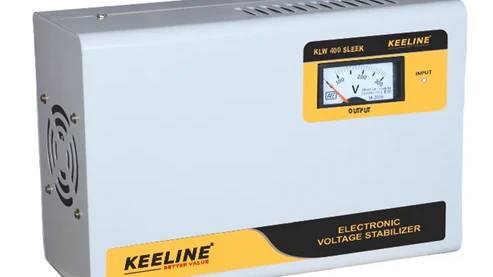
An AC stabilizer is designed to protect air conditioners from voltage fluctuations, power surges, and unstable electricity supply. It regulates incoming voltage and ensures that the air conditioner receives a consistent power supply.
When shopping for an air conditioner stabilizer, many buyers notice a significant difference in prices across brands. Two stabilizers designed for similar AC capacities may look alike, yet their prices can vary considerably. This often leads to an important question: why does the cost differ so much?
The answer lies in several factors, including technology, voltage range, safety features, build quality, brand reputation, and after-sales support. While price is an important consideration, choosing a stabilizer solely based on cost may not provide the level of protection your air conditioner needs.
Understanding what influences AC stabilizer pricing can help you make an informed decision and select a product that offers the right balance between performance, reliability, and value.
The Role of an AC Stabilizer
An AC stabilizer is designed to protect air conditioners from voltage fluctuations, power surges, and unstable electricity supply. It regulates incoming voltage and ensures that the air conditioner receives a consistent power supply.
This protection is especially important in areas where low voltage, high voltage, and frequent power cuts are common. A quality stabilizer can help improve cooling efficiency, protect the compressor, and reduce the risk of costly repairs.
As a result, the features and capabilities of a stabilizer directly influence its price.
Input Voltage Range Affects Cost
One of the biggest factors influencing AC stabilizer price is the input voltage range. Stabilizers with a wider operating range can effectively manage larger voltage fluctuations. They continue to provide stable output even when the incoming voltage drops significantly or rises unexpectedly.
Models designed for regions with severe power instability typically cost more because they require advanced voltage regulation technology. If you live in an area with frequent voltage fluctuations, investing in a wider voltage range stabilizer can provide better long-term protection.
Capacity and Compatibility Matter
Air conditioners are available in different capacities, such as 1 ton, 1.5 ton, and 2 ton models. Stabilizers must be matched to the power requirements of the specific AC unit.
Higher-capacity air conditioners require stabilizers with greater load-handling capabilities, which often increases the cost. Additionally, stabilizers designed specifically for inverter air conditioners may include advanced features that contribute to a higher AC stabilizer price.
Quality of Internal Components
The quality of internal components plays a major role in determining durability and performance.
Premium stabilizers often use:
- High-grade transformers
- Durable circuit boards
- Advanced protection systems
- Reliable relays and sensors
These components improve efficiency and ensure long-lasting performance under demanding conditions. Budget-friendly models may use lower-cost components, which can affect reliability and lifespan over time.
Advanced Safety Features Increase Value
Modern stabilizers include a range of safety features that help protect air conditioners from electrical issues.
Common features include:
- High-voltage protection
- Low-voltage protection
- Surge protection
- Thermal overload protection
- Intelligent time delay systems
The inclusion of these advanced protections can increase the AC stabilizer price, but they also provide greater peace of mind and reduce the risk of appliance damage.
Digital Technology and Smart Features
Many modern stabilizers now offer digital displays and smart monitoring functions.
These features may include:
- Real-time voltage display
- Operating status indicators
- Error notifications
- Intelligent control systems
While these additions improve convenience and user experience, they can also contribute to higher pricing. For homeowners who want better visibility into power conditions, these features may justify the additional cost.
Build Quality and Design
Build quality is another important factor that affects pricing. Stabilizers with durable outer casings, high-quality finishes, and compact wall-mount designs generally cost more than basic models.
Better construction improves durability and ensures reliable performance over the long term. When evaluating different options, it is important to consider overall build quality rather than focusing only on the initial purchase price.
Brand Reputation and Trust
Established brands often command higher prices because they invest in product development, testing, and quality control. Trusted manufacturers typically offer products that meet strict safety standards and deliver consistent performance.
Consumers are often willing to pay more for brands with a proven track record because they value reliability and long-term support. A higher AC stabilizer price may reflect the confidence customers have in a brand's quality and performance.
Warranty and After-Sales Service
Warranty coverage and customer support also influence pricing. Brands that offer longer warranties and strong service networks often include these benefits in the overall cost of the product.
Reliable after-sales support can save time and money if repairs or assistance are needed in the future. Before purchasing a stabilizer, it is worth comparing warranty terms and service availability alongside pricing.
Energy Efficiency Considerations
Energy-efficient stabilizers are designed to provide reliable protection while minimizing power consumption.
Although these models may have a slightly higher upfront cost, they can contribute to long-term savings through improved efficiency. Energy-efficient designs also help support the overall performance of the air conditioner.
Why the Cheapest Option Isn't Always the Best
Choosing the lowest-priced stabilizer may seem like a cost-saving decision, but it can lead to higher expenses over time. A lower-cost product may offer limited voltage protection, fewer safety features, or reduced durability.
Considering the high cost of repairing or replacing air conditioner components such as compressors and circuit boards, investing in a quality stabilizer often provides better long-term value.
Conclusion
Several factors contribute to differences in AC stabilizer price across brands, including voltage range, capacity, build quality, safety features, digital technology, warranty coverage, and brand reputation.
Instead of focusing solely on price, homeowners should evaluate the overall value a stabilizer offers. A quality stabilizer can protect expensive air conditioner components, improve cooling efficiency, reduce maintenance costs, and extend appliance lifespan. By understanding what influences pricing, you can choose a stabilizer that meets your specific needs and provides reliable protection for years to come.

Comments
Login to Comment