How Partial Vehicle Branding Creates a Professional Look for Business Fleets
10 Oct, 2026
9 Views 0 Like(s)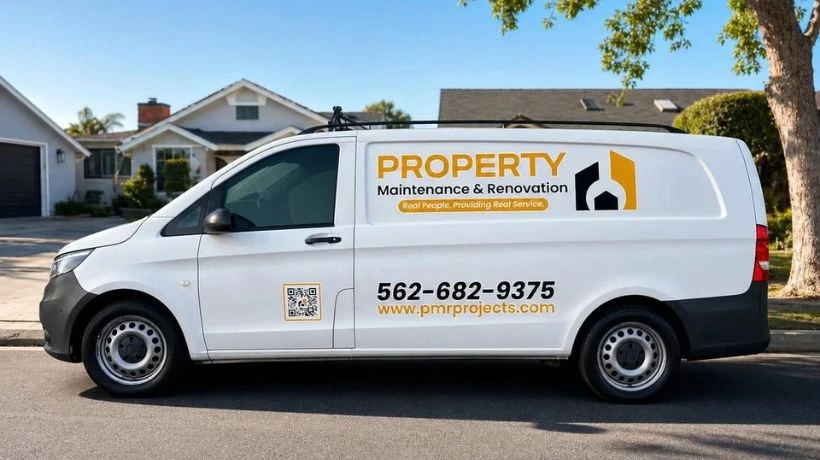
Learn how partial vehicle branding creates a professional fleet image, with design tips, cost considerations, maintenance advice, and car wrap options in Dubai.
A business fleet is often seen by customers before they meet the people who operate it. Company cars parked outside an office, service vans arriving at a customer’s home, and delivery vehicles moving through Dubai’s streets all contribute to how a business is recognised. When these vehicles look coordinated, they can present a more organised and professional image.
Partial vehicle branding offers a practical way to achieve this consistency. Instead of covering every panel with vinyl, it uses selected areas to display a company logo, brand colours, contact details, and service information. With careful planning, a relatively simple design can help different vehicles look like part of the same business.
What Is Partial Vehicle Branding?
Partial vehicle branding involves applying graphics to specific sections of a vehicle rather than covering most or all of its painted exterior. Common locations include the doors, side panels, rear section, and bonnet.
A design might feature a logo on both front doors, a company name along the side, and a website address at the rear. Some businesses add coloured vinyl accents to connect these elements and match the vehicle to their wider brand identity.
Partial branding differs from a full vehicle wrap, which generally covers most or all of the painted exterior. Both approaches can create a professional appearance, but they serve different needs. Partial graphics focus on selected information, while full wraps provide more space for a complete visual design.
Why Partial Branding Works for Business Fleets
1. It creates consistency across different vehicles
Business fleets often include vehicles of different sizes, colours, and models. A company may use small cars for sales visits, vans for deliveries, and larger vehicles for technical services.
A shared branding template can connect these vehicles through consistent logo placement, colours, typography, and contact details. The exact layout may change to suit each vehicle, but the overall identity remains recognisable.
For example, a maintenance business could place its logo on the front doors of every vehicle and use the same colour stripe along the side. Even if the fleet includes different models, the repeated design elements help create a coordinated appearance.
2. It keeps the design clear and focused
A professional vehicle design does not need to fill every available space. In many cases, a few carefully placed elements communicate more effectively than a crowded layout.
Partial branding encourages businesses to prioritise the information that matters most: the company name, logo, main service, and one contact method. This is particularly useful when vehicles move through traffic or are visible for only a short time.
Too many phone numbers, long service lists, and competing graphics can make the design difficult to understand. A simple layout helps people identify the business more quickly.
3. It can suit different fleet budgets
Because partial branding usually uses less vinyl than a full wrap, it may be a more economical option for businesses that need basic identification across several vehicles. However, actual costs depend on the material, design complexity, installation time, and number of vehicles.
For a fleet of ten cars, for example, consistent door graphics may be sufficient if the main goal is to identify company vehicles. A business that wants a more distinctive appearance or needs to display larger promotional graphics may benefit from a broader wrap design.
The important point is to compare the cost with the intended purpose rather than choosing coverage based on price alone.
4. It preserves more of the original vehicle colour
Some businesses prefer to keep the factory paint visible, especially when vehicles are leased or may be reassigned to other roles. Partial graphics can add business identification without changing the vehicle’s overall colour.
This approach may also make it easier to update selected details when a telephone number, website, or service changes. Removal and replacement still need to be handled carefully to avoid damaging the underlying paint or surrounding graphics.
How to Design Partial Branding for a Fleet
Establish a consistent design template
Before branding individual vehicles, define a basic visual system. This should include the approved logo, brand colours, font styles, contact details, and preferred placement of key elements.
The template should be flexible enough to fit different vehicle shapes. A logo may need to sit slightly higher on one model or move away from a handle on another. Consistency is about maintaining the same visual identity, not forcing identical measurements onto every vehicle.
Choose readable colours and lettering
The contrast between the graphics and the vehicle’s paint affects how easily the design can be seen. Dark lettering may work well on a light background, while light graphics may stand out better on darker paint.
Text should be large enough to read from a reasonable distance. Use short descriptions rather than lengthy explanations, and avoid decorative fonts for important information such as the business name or telephone number.
Place graphics where they remain visible
Doors and side panels are common locations for logos and business names. Rear panels can provide space for a short service description or website address. The layout should account for handles, windows, panel gaps, lights, and curved surfaces.
A vehicle-specific design preview is useful before production. It helps reveal whether graphics will be interrupted by body features or become difficult to read from certain angles.
When Is a Full Car Wrap a Better Choice?
Partial branding works well when a fleet mainly needs clear identification. However, a full car wrap can be more suitable when a business wants a complete visual transformation, large graphics, or a strong design that covers most of the vehicle.
Car wraps offer considerable flexibility because they can combine brand colours, illustrations, photographs, and promotional information across larger surfaces. They can also help create a unified appearance when a business wants all its vehicles to follow a more distinctive design.
A full wrap is not automatically necessary for every fleet. Businesses should consider how much information needs to be displayed, how the vehicles are used, and whether the additional coverage supports a clear marketing objective.
Those comparing partial vehicle branding with full wraps can assess the available coverage, material requirements, design possibilities, and maintenance needs before deciding.
Material Selection and Maintenance in Dubai
Dubai’s heat, strong sunlight, and dusty conditions make material selection an important part of fleet branding. Businesses should ask about vinyl suitability, installation methods, warranty terms, and recommended cleaning practices before approving a project.
The vehicle’s surface should be inspected before installation. Dirt, wax, peeling paint, or existing damage can affect adhesion and may create difficulties when graphics are removed. Professional preparation helps reduce the risk of visible defects and lifting edges.
After installation, follow the material manufacturer’s cleaning guidance. Use suitable products, avoid abrasive tools, and inspect the edges periodically. Parking in shaded or covered areas where possible may help limit prolonged exposure to direct sunlight.
For businesses reviewing design and installation options, car branding dubai can be one reference point for learning about available vehicle branding services. It is sensible to compare specifications and care instructions before selecting an approach for an entire fleet.
How to Keep Fleet Branding Consistent Over Time
Fleet branding needs occasional review as vehicles are added, replaced, or reassigned. Keep a record of the approved artwork, colour references, material details, and placement guidelines so that new vehicles can follow the same identity.
Check branded vehicles periodically for damaged graphics, fading, lifting edges, and outdated contact details. Repairing small problems early can help maintain a tidy appearance. When a vehicle leaves the fleet, confirm the appropriate process for removing the graphics, especially if the vehicle is leased or being sold.
A simple fleet branding guide can make these tasks easier. It gives employees and installers a shared reference and reduces the risk of each vehicle developing a different look.
Conclusion
Partial vehicle branding can help business fleets look coordinated, organised, and recognisable without covering every panel. By repeating key design elements and keeping information clear, businesses can create a consistent identity across vehicles of different sizes and types.
For basic company identification, partial graphics may be enough. When broader coverage, larger visuals, or a complete design is important, a full car wrap may offer greater flexibility. The most suitable approach depends on the fleet’s purpose, budget, materials, and maintenance requirements. Planning these details before installation helps businesses maintain a professional appearance as their fleet grows.



Comments
Login to Comment