Why a Compressed Air Filter Is the Backbone of Modern Pneumatic Systems
20 Jan, 2026
9777 Views 0 Like(s)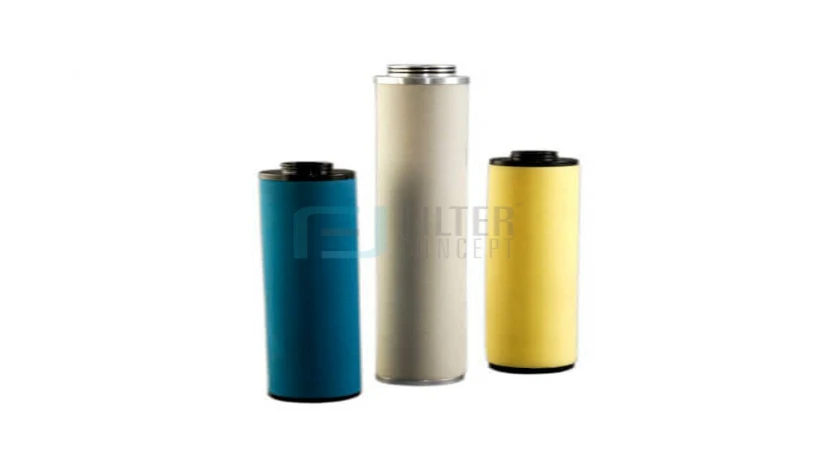
Learn how a compressed air filter improves air quality, protects equipment, reduces costs, and boosts efficiency across industrial applications.
Compressed air is often called the “fourth utility” in industries, alongside electricity, water, and gas. From manufacturing plants and automotive workshops to food processing units and hospitals, compressed air powers countless tools and machines every single day. However, one critical component quietly determines how efficient, reliable, and safe this power source really is—the Compressed Air Filter.
This blog explores the importance of compressed air filters, how they work, their types, applications, benefits, and maintenance practices, all in a clear and practical way.
Understanding the Role of a Compressed Air Filter
A compressed air filter is designed to remove contaminants from compressed air before it reaches downstream equipment. These contaminants may include dust, rust particles, oil aerosols, water vapor, microorganisms, and other impurities drawn in during the compression process.
Ambient air is never clean. When air is compressed, the concentration of contaminants increases significantly. Without proper filtration, this polluted air can damage equipment, reduce product quality, increase downtime, and even pose safety risks. A compressed air filter acts as a protective barrier, ensuring that only clean, dry air flows through the system.
Why Compressed Air Needs Filtration
Many people assume compressed air is clean because it looks invisible and harmless. In reality, compressed air often contains:
-
Solid particles like dust, pollen, and metal debris
-
Liquid water from humidity condensation
-
Oil vapors and aerosols from compressors
-
Microbial contaminants in sensitive environments
These impurities can clog valves, corrode pipelines, spoil finished products, and cause tools to malfunction. A compressed air filter eliminates these issues at the source, helping systems run smoothly and efficiently.
How a Compressed Air Filter Works
The working principle of a compressed air filter is both simple and effective. As compressed air flows through the filter housing, it passes through multiple filtration stages:
-
Initial Separation
Larger particles and liquid droplets are removed using centrifugal force. Heavier contaminants are thrown to the walls of the filter and collected in a drain. -
Filtration Element
The air then passes through a filter element made of fibrous or porous material. This element traps finer particles and oil aerosols. -
Final Polishing (Optional)
In high-purity systems, additional stages such as activated carbon remove odors, oil vapors, and gases.
The result is clean, usable compressed air suitable for specific applications.
Types of Compressed Air Filters
Different applications require different levels of air purity. This is why compressed air filters come in various types, each serving a unique purpose.
1. Particulate Filters
These filters remove solid contaminants such as dust, dirt, rust, and scale. They are usually the first line of defense in an air filtration system.
2. Coalescing Filters
Coalescing filters are designed to remove fine oil aerosols and water droplets. They are essential for protecting pneumatic tools and sensitive equipment.
3. Activated Carbon Filters
These filters remove oil vapors, odors, and hydrocarbons. They are commonly used in food, pharmaceutical, and medical industries where air purity is critical.
4. Sterile and Microbial Filters
Used in laboratories and clean environments, these filters eliminate bacteria and microorganisms from compressed air.
5. High-Efficiency Filters
These provide extremely fine filtration and are used where even microscopic contamination cannot be tolerated.
Applications of Compressed Air Filters
A compressed air filter is not limited to one industry. Its versatility makes it essential across multiple sectors.
-
Manufacturing Plants – Protect machinery and automation systems
-
Automotive Workshops – Ensure smooth operation of air tools and spray guns
-
Food and Beverage Industry – Maintain hygiene and product safety
-
Pharmaceutical Industry – Meet strict regulatory standards
-
Electronics Manufacturing – Prevent contamination of sensitive components
-
Healthcare and Dental Clinics – Supply clean air for medical procedures
In each application, the right compressed air filter ensures reliability, compliance, and consistent performance.
Benefits of Using a Compressed Air Filter
Installing a high-quality compressed air filter offers long-term advantages that go far beyond clean air.
Improved Equipment Life
Clean air reduces wear and tear on pneumatic tools, valves, and cylinders, extending their lifespan.
Enhanced Product Quality
In industries like food processing and painting, clean compressed air directly impacts the quality of the final product.
Reduced Maintenance Costs
By preventing contamination-related failures, compressed air filters minimize repair and replacement expenses.
Energy Efficiency
Clog-free systems operate with less pressure drop, reducing energy consumption and operating costs.
Workplace Safety
Clean compressed air lowers the risk of malfunctions and ensures safer working conditions.
Choosing the Right Compressed Air Filter
Selecting the correct compressed air filter depends on several factors:
-
Required air quality level
-
Type of contaminants present
-
Operating pressure and flow rate
-
Industry standards and regulations
-
Environmental conditions
Using multiple filters in sequence, known as a filtration train, is often the best approach for achieving optimal air purity.
Importance of Proper Installation
Even the best compressed air filter will fail if installed incorrectly. Filters should be placed strategically, usually close to the point of use or immediately after the compressor and dryer. Proper alignment, secure fittings, and adequate drainage are essential to ensure effective filtration and prevent pressure loss.
Maintenance Practices for Compressed Air Filters
Regular maintenance is key to keeping a compressed air filter functioning efficiently.
-
Inspect filter elements periodically
-
Replace clogged or damaged elements on time
-
Check and clean drain systems
-
Monitor pressure drop across the filter
Neglecting maintenance can lead to reduced airflow, higher energy costs, and compromised air quality.
Common Mistakes to Avoid
Many systems underperform due to avoidable errors such as:
-
Using a single filter for all applications
-
Ignoring manufacturer recommendations
-
Overlooking pressure drop indicators
-
Delaying filter element replacement
Avoiding these mistakes ensures consistent performance and long-term reliability.
The Future of Compressed Air Filtration
Advancements in filtration technology are making compressed air filters more efficient, compact, and environmentally friendly. Modern filters offer lower pressure drops, longer service life, and improved contaminant removal. Smart monitoring systems now allow real-time tracking of filter performance, helping industries optimize maintenance schedules and energy usage.
Conclusion
A Compressed Air Filter may seem like a small component, but its impact on system performance, product quality, and operational efficiency is immense. By removing harmful contaminants, it protects equipment, reduces costs, and ensures reliable operation across industries.
Whether you run a large manufacturing facility or a small workshop, investing in the right compressed air filter is not an option—it is a necessity. Clean compressed air is the foundation of efficient pneumatic systems, and a high-quality compressed air filter is the key to achieving it.


Comments
Login to Comment