When Can You Exercise After Breast Reduction Surgery?
04 Nov, 2026
7 Views 0 Like(s)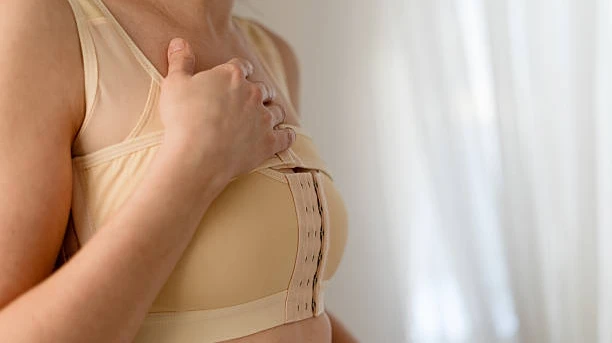
Breast Reduction in Riyadh helps reduce excess breast tissue and improve body proportions. Discover the procedure, benefits, recovery process, and personalized
Breast reduction surgery helps remove excess breast tissue, fat, and skin to create a lighter and more proportionate breast shape. After the procedure, many patients look forward to returning to their regular fitness routines. However, exercise must be reintroduced gradually because the body needs time to heal and the surgical tissues require protection. During Breast Reduction in Riyadh, surgeons provide personalized activity guidelines to help patients recover safely while avoiding unnecessary strain on the chest.
Most patients can begin gentle walking soon after surgery, depending on their surgeon's instructions. However, strenuous workouts, running, weightlifting, and exercises involving the chest usually require several weeks of recovery. The appropriate time to resume physical activity after Breast Reduction in Riyadh depends on the surgical technique, healing progress, and individual health. Following medical advice is essential for protecting the results and reducing the risk of complications.
Why Is Exercise Restriction Important After Breast Reduction?
During breast reduction surgery, excess tissue and skin are removed, and the remaining breast tissue is reshaped. The incisions and internal tissues need time to heal properly. Exercising too soon may increase swelling, bleeding, discomfort, or tension around the surgical areas.
Physical activity also increases heart rate and blood flow, which can affect recently operated tissues. Temporary restrictions help protect the incisions, support healing, and allow the breasts to settle into their new shape.
Exercise Timeline After Breast Reduction Surgery
First Week: Gentle Walking and Rest
During the first week, patients should prioritize rest while following their surgeon's instructions. Short, gentle walks around the home may be encouraged once the medical team considers them safe. Walking supports circulation and helps reduce the risks associated with prolonged inactivity.
However, patients should avoid running, jumping, stretching excessively, lifting weights, and performing movements that place pressure on the chest. The upper body should be protected from unnecessary strain.
Weeks Two to Three: Gradual Daily Movement
As discomfort begins to improve, patients may gradually increase light daily movement. Gentle walking can become more comfortable, and short walks may be extended according to individual recovery progress.
Patients should continue avoiding strenuous workouts, vigorous arm movements, and exercises that involve bouncing or chest pressure. Any activity that causes pain, pulling, or increased swelling should be stopped.
Weeks Four to Six: Returning to Light Exercise
Some patients may receive permission to begin low-impact activities during this stage. Depending on healing progress, options may include gentle stationary cycling or other controlled exercises that do not strain the chest.
The surgeon must approve these activities before patients begin. Running, heavy lifting, intense cardio, and upper-body resistance training should generally remain restricted until medical clearance is provided.
After Six Weeks: Gradual Return to Regular Workouts
Many patients can gradually return to more demanding physical activities after approximately six weeks, provided their incisions have healed and their surgeon approves. Exercise should restart at a lower intensity rather than immediately returning to previous workout levels.
The timeline may be longer for patients who have undergone extensive tissue removal or experience delayed healing. During Breast Reduction in Riyadh, follow-up examinations help determine when increasing physical activity is appropriate.
Which Exercises Can You Do After Breast Reduction?
Walking
Walking is commonly the first physical activity introduced after surgery. It is gentle, easy to control, and helps maintain circulation without placing significant pressure on the breasts.
Low-Impact Cardio
Activities such as stationary cycling may be introduced later in recovery if approved by the surgeon. Patients should begin slowly and avoid movements that cause discomfort or excessive upper-body motion.
Lower-Body Exercises
Certain lower-body movements may be suitable once healing has progressed. However, exercises involving heavy weights, bending, jumping, or significant chest movement should be avoided until the surgeon confirms they are safe.
Upper-Body and Chest Exercises
Push-ups, chest presses, pull-ups, and shoulder workouts place direct or indirect strain on the surgical area. These exercises usually require a longer recovery period and should only be resumed after medical clearance.
Factors That Affect When You Can Exercise Again
Surgical Technique and Amount of Tissue Removed
The extent of surgery can influence recovery time. Patients who require more extensive tissue removal and reshaping may need longer before returning to demanding workouts.
Healing Progress
Incision healing, swelling, tenderness, and mobility all influence exercise readiness. Patients should not use a general timeline as a replacement for an individual medical assessment.
Type of Exercise
Gentle walking places less strain on the chest than running, weightlifting, or high-intensity training. The level of physical effort and movement involved determines when an activity can be safely reintroduced.
Individual Health
General health, nutritional habits, smoking status, and other medical factors can influence healing. Following postoperative instructions supports a safer return to exercise.
Tips for Exercising Safely After Breast Reduction
-
Begin with short walks when permitted by your surgeon.
-
Wear the recommended supportive surgical bra during recovery.
-
Increase exercise intensity gradually after medical approval.
-
Avoid heavy lifting and chest workouts until cleared.
-
Stop any activity that causes pain, pulling, or increased swelling.
-
Stay hydrated and maintain balanced nutrition.
-
Attend follow-up appointments to monitor healing.
These precautions can help patients return to physical activity without placing unnecessary pressure on healing tissues after Breast Reduction in Riyadh.
When Should You Stop Exercising and Contact Your Surgeon?
Patients should stop physical activity if they notice increasing pain, unusual swelling, bleeding, wound discharge, or sudden changes in breast appearance. Fever or spreading redness around an incision should also be reported promptly. Sudden chest pain, difficulty breathing, or fainting requires emergency medical attention.
Book a Consultation at Royal Clinic Saudia
A safe exercise plan depends on individual healing and the type of breast reduction performed. At Royal Clinic Saudia, patients can discuss their fitness goals, understand activity restrictions, and receive personalized guidance about Breast Reduction in Riyadh. Schedule a consultation with a qualified specialist to learn about the procedure, recovery expectations, and a suitable return-to-exercise plan.
FAQs:
How soon can I walk after breast reduction surgery?
Gentle walking is often encouraged within the first day or two, depending on the surgeon's instructions and the patient's condition. Start with short distances and increase gradually.
When can I go to the gym after breast reduction?
Many patients can gradually resume selected gym activities after approximately four to six weeks, but only with their surgeon's approval. More demanding exercises may require additional recovery time.
When can I start lifting weights after breast reduction?
Weightlifting should be avoided during early recovery. Patients should wait until their surgeon confirms that the incisions and internal tissues have healed sufficiently before restarting resistance training.
Can exercise affect breast reduction results?
Strenuous exercise too early may increase swelling, bleeding, and tension around healing tissues. Following activity restrictions and gradually returning to workouts can help protect the surgical results.


Comments
Login to Comment