What Factors Influence the Results of Female Hair Transplant
04 Nov, 2026
28 Views 0 Like(s)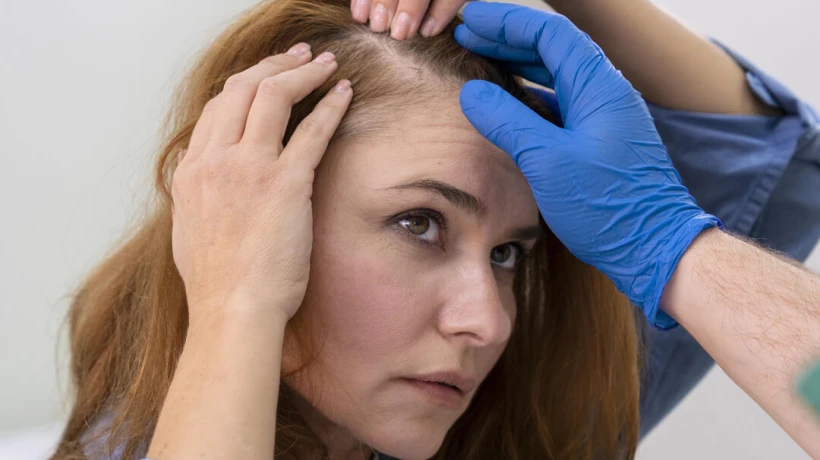
A Female Hair Transplant in Dubai involves transferring healthy follicles from a donor area to parts of the scalp affected by thinning or permanent hair loss.
The results of a hair transplant in women depend on several factors, including the cause of hair loss, donor hair quality, scalp condition, surgical technique, and aftercare. A Female Hair Transplant in Dubai involves transferring healthy follicles from a donor area to parts of the scalp affected by thinning or permanent hair loss. Although the procedure can improve hair coverage in suitable candidates, the final appearance varies from person to person. Understanding the factors that influence the outcome helps women develop realistic expectations and make informed decisions before treatment.
The Cause and Pattern of Hair Loss
The underlying cause of hair loss plays an important role in determining whether transplantation is likely to be successful. Women may experience female-pattern hair loss, traction alopecia, hairline recession, or thinning associated with medical and hormonal conditions. Each pattern affects the scalp differently and requires an individual treatment plan.
Women with stable, localised hair loss may be suitable candidates when healthy donor follicles are available. However, widespread thinning or rapidly progressing hair loss can make transplantation more challenging. Identifying and managing the underlying condition before surgery helps the specialist decide whether the procedure is appropriate.
Quality and Density of Donor Hair
Donor hair quality is one of the most important factors affecting transplant results. Follicles are commonly collected from the back or sides of the scalp, where hair growth may be more resistant to certain types of hair loss. The density, thickness, and number of available follicles determine how many grafts can be safely transferred.
Women with strong, dense donor hair may have more options for improving coverage. Those with diffuse thinning across the scalp may have a limited supply of suitable follicles. The specialist must assess the donor area carefully to avoid excessive extraction, which could create visible thinning or an uneven appearance.
Hair Thickness and Texture
Natural hair characteristics can influence how dense the transplanted area appears. Thick hair shafts may provide more visible coverage than finer strands, even when the same number of grafts is implanted. Curly or wavy hair can also create a fuller appearance because the strands occupy more visual space.
Hair colour and the contrast between the hair and scalp may affect the visibility of thinning. When there is a strong contrast, the scalp may remain more noticeable between individual strands. These characteristics help the specialist estimate the coverage that can realistically be achieved.
The Number of Grafts Required
The number of grafts needed depends on the size of the treatment area, the degree of thinning, and the desired level of coverage. A small area around the temples may require fewer grafts than a larger frontal region. However, the number of grafts available is limited by donor density and the need to preserve the donor area.
Using more grafts does not automatically produce better results. The surgeon must distribute follicles carefully to create natural-looking coverage while protecting the remaining donor hair. A suitable plan balances the treatment goals with the amount of healthy hair available.
Surgical Technique and Graft Handling
The chosen surgical technique can influence the appearance of the donor area, the healing process, and the placement of transplanted follicles. Follicular Unit Extraction (FUE) involves removing individual follicular units, while Follicular Unit Transplantation (FUT) involves removing a narrow strip of scalp and separating it into grafts.
Both methods can be used in appropriate cases, but they have different considerations. FUE leaves small extraction marks, whereas FUT leaves a linear donor scar. Careful handling of grafts during collection, preparation, and implantation is also important because follicles can be damaged if they are handled improperly or kept outside the body for unsuitable periods.
Hairline Design and Graft Placement
A natural-looking result depends on more than the number of transplanted follicles. Hairline design, the angle of implantation, and the direction of growth all influence how the new hair blends with existing strands. This is especially important for women receiving treatment around the forehead, temples, or frontal hairline.
The specialist should consider facial proportions, natural hair growth patterns, hair texture, and the patient's preferences. Grafts with fewer hairs may be placed near the front to create a softer transition, while grafts containing more hairs may be used farther behind when appropriate. Careful placement helps avoid an artificial or overly dense appearance.
Scalp Health and Medical Conditions
A healthy scalp provides a better environment for healing. Conditions such as active inflammation, infection, or certain forms of scarring alopecia may affect whether transplantation can be performed safely. These conditions may need medical treatment or stabilisation before surgery is considered.
General health can also influence healing. Certain medical conditions, medications, and lifestyle factors may affect bleeding, recovery, or the condition of the scalp. The specialist should review the patient's medical history and current treatments before recommending surgery.
Following Post-Operative Instructions
Aftercare plays an important role in protecting newly implanted follicles. Patients are usually advised to avoid scratching, rubbing, or applying pressure to the recipient area during the early healing period. Gentle washing should begin according to the specialist's instructions, and prescribed medication should be used as directed.
Strenuous exercise, swimming, and activities that may cause excessive sweating or accidental contact with the scalp may need to be avoided temporarily. Attending follow-up appointments allows the treating professional to monitor healing and address concerns during recovery.
Individual Healing and Hair Growth Cycle
Every woman heals at a different rate. Factors such as skin sensitivity, general health, age, and individual healing responses can influence how quickly redness, swelling, and tenderness settle. The transplanted hair also follows a natural growth cycle, so visible results take time.
It is common for the transplanted hair shafts to shed during the first few weeks. The follicles may remain in place and begin producing new hair after a resting period. Growth develops gradually over several months, and the final appearance may take around 12 months or longer to mature.
Managing Ongoing Hair Loss
A hair transplant moves existing follicles but does not stop the underlying cause of hair loss. If a woman continues to experience thinning in untreated areas, the contrast between transplanted and surrounding hair may become more noticeable over time. This is particularly relevant for women with female-pattern hair loss.
A specialist may recommend medical management or other supportive treatments to help control ongoing shedding when appropriate. Regular monitoring can help assess changes in hair density and determine whether additional treatment is needed. Women researching the Best Female Hair Transplant in Dubai should look for a treatment plan that considers both the transplanted area and the long-term management of their existing hair.
Conclusion
Female hair transplant results are influenced by donor hair quality, the cause and pattern of hair loss, scalp health, surgical planning, graft placement, and aftercare. Hair thickness, individual healing, and ongoing thinning in untreated areas can also affect the final appearance. A detailed consultation helps identify suitable candidates and establish realistic treatment goals. With careful planning and appropriate follow-up, transplantation may improve coverage for women experiencing selected types of permanent hair loss.
Frequently Asked Questions
Does donor hair quality affect female hair transplant results?
Yes. Donor hair density, thickness, and follicle quality influence how many grafts can be collected and how much coverage can be achieved. A specialist assesses the donor area before deciding whether transplantation is suitable.
Does the number of grafts determine the final result?
The number of grafts is one factor, but it does not determine the outcome on its own. Hair thickness, graft survival, placement, donor supply, and the size of the treatment area also influence the appearance of the transplanted hair.
Can thin hair produce good transplant coverage?
Women with fine hair may still be suitable candidates, but the visible coverage can differ from that achieved with thicker strands. The specialist considers hair texture, density, and scalp contrast when planning the procedure.
How long does it take to see the final results?
New growth generally develops gradually over several months. Some improvement may become noticeable around six months, but the final appearance often takes approximately 12 months or longer to mature.
Can ongoing hair loss affect transplant results?
Yes. Hair in untreated areas may continue to thin after surgery, which can affect the overall appearance of the scalp. Medical management and regular monitoring may be recommended to address continuing hair loss.
Does aftercare influence hair transplant success?
Yes. Following washing instructions, protecting the grafts, avoiding activities that may disturb the scalp, and attending follow-up appointments all support appropriate healing. Patients should follow the individual aftercare plan provided by their specialist.


Comments
Login to Comment