What Questions Should You Ask Before Glutathione Injections?
25 Sep, 2026
9 Views 0 Like(s)
Explore glutathione injections, their potential benefits, uses, safety considerations, and what to know before treatment.
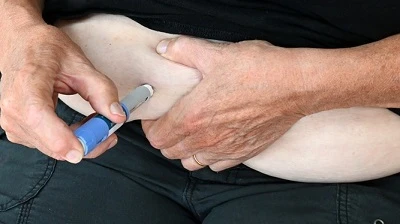
Glutathione injections have attracted attention among people interested in skin brightening, antioxidant support, and wellness treatments. Glutathione is a naturally occurring antioxidant involved in several processes within the body, and injectable forms are sometimes promoted as a way to deliver it directly into the bloodstream.
However, deciding whether to receive Glutathione Injections should involve more than simply asking how quickly results may appear. Because an injection introduces a substance directly into the body, it is important to understand why it is being recommended, what evidence supports its use, what product is being administered, and what potential risks may be involved.
Recent safety communications from the U.S. Food and Drug Administration (FDA) have highlighted concerns involving compounded injectable glutathione, including adverse events associated with products containing excessive bacterial endotoxins. Research reviews have also found that evidence supporting intravenous glutathione for cosmetic skin lightening remains limited, while questions about long-term safety remain.
For anyone considering treatment, asking the right questions beforehand can help create a more informed and safer decision-making process.
What Is the Main Reason for Considering Glutathione Injections?
The first question should be straightforward: What is the specific goal of the treatment?
Some people consider glutathione injections because they want brighter-looking skin or are concerned about uneven pigmentation. Others may encounter claims about antioxidant benefits, energy, immunity, detoxification, or general wellness.
These goals are not necessarily supported by the same level of scientific evidence. In particular, research examining glutathione for cosmetic skin lightening has produced limited and inconsistent evidence, especially for intravenous administration. A recent systematic review found only limited clinical evidence for IV glutathione and concluded that the available evidence does not support routine cosmetic use.
A person considering treatment should therefore ask:
-
What condition or concern is the injection intended to address?
-
Is the treatment being recommended for a medical reason or a cosmetic purpose?
-
What evidence supports its use for that particular goal?
-
Are there alternatives that have stronger evidence?
-
What outcome would realistically be considered successful?
Having a clear objective makes it easier to judge whether the potential benefits justify the risks.
Is Glutathione Injection Appropriate for the Individual?
Not every treatment is appropriate for every person. Before receiving an injection, an individual should provide a complete health history and ask whether any personal factors could make the treatment unsuitable.
Relevant information can include current medications, allergies, previous reactions to injections or infusions, existing medical conditions, pregnancy or breastfeeding status, and any history of liver, kidney, or other significant health problems.
The appropriate healthcare professional should determine whether the treatment is suitable after considering the individual's circumstances.
A useful question is:
“Based on the person’s medical history and current medications, are there any reasons this treatment should be avoided?”
This question encourages an individualized assessment rather than treating glutathione injections as a one-size-fits-all wellness procedure.
It is also reasonable to ask what symptoms should prompt immediate medical attention after the injection. Severe difficulty breathing, swelling, fainting, significant dizziness, severe weakness, or other concerning symptoms require prompt medical evaluation.
What Exactly Is Being Injected?
One of the most important questions concerns the product itself.
The person receiving treatment should know whether the glutathione is supplied as a commercially manufactured medicine or prepared through a compounding process. The source, formulation, concentration, storage conditions, expiration or beyond-use information, and preparation standards can all matter when an injectable product is involved.
This issue deserves particular attention because injectable drugs need appropriate quality controls. In August 2026, the FDA warned compounders not to use dietary-supplement-grade glutathione to prepare injectable drugs. The agency reported adverse events in at least 30 patients associated with certain compounded IV glutathione products and noted that inappropriate ingredients can contain contaminants such as endotoxins.
The FDA had previously raised similar concerns in 2019 after reports of patients experiencing reactions following injectable glutathione prepared from an ingredient intended for dietary-supplement use. Testing found excessive bacterial endotoxin levels in the material involved.
Therefore, useful questions include:
-
Where does the glutathione come from?
-
Is the ingredient specifically suitable for injectable use?
-
Who manufactured or compounded the product?
-
How is the product stored and handled?
-
Is the product within its expiration or beyond-use date?
-
What quality-control procedures are used?
A willingness to provide clear information about the product is an important part of responsible treatment.
What Are the Possible Benefits and Limitations?
People considering Glutathione Injections should ask not only what benefits are possible but also how strong the evidence is.
Glutathione has antioxidant properties and has been studied in several medical and cosmetic contexts. Its proposed role in skin pigmentation is related partly to its effects on melanin production. However, evidence for injectable glutathione as a cosmetic skin-lightening treatment remains limited.
A systematic review published in the International Journal of Dermatology found evidence for some glutathione formulations but noted that evidence for IV glutathione was particularly limited. The review reported only one placebo-controlled study involving IV glutathione and concluded that IV use for skin lightening is problematic because of insufficient efficacy and safety evidence.
Earlier research similarly found inadequate evidence regarding long-term IV glutathione use for cosmetic skin lightening.
This means a responsible consultation should include questions such as:
-
How likely is the treatment to achieve the desired result?
-
How long might any effect last?
-
Is the expected result supported by clinical research?
-
Are multiple sessions usually recommended?
-
What happens if the desired result is not achieved?
No treatment should be presented as guaranteed. Individual responses can vary, and a treatment promoted online may have less supporting evidence than its marketing suggests.
What Are the Risks and Side Effects?
Understanding potential risks is just as important as discussing possible benefits.
Some concerns relate specifically to the injection or infusion process, while others may relate to the glutathione product itself. Reactions can range from relatively mild symptoms to serious medical complications.
Published reviews have raised concerns about serious adverse effects associated with intravenous glutathione, including hypersensitivity reactions and other potentially significant complications.
Product quality is another consideration. In 2026, the FDA reported multiple safety concerns involving compounded glutathione products with elevated endotoxin levels. Reported symptoms have included fever, chills, headache, nausea, vomiting, low blood pressure, pain, and symptoms consistent with serious inflammatory or allergic reactions.
Before treatment, a person can ask:
-
What side effects are most common?
-
What serious reactions are possible?
-
What should be done if a reaction occurs?
-
Is emergency equipment available where the injection is administered?
-
Who should be contacted after treatment if symptoms develop?
The answers can help someone assess whether the setting is adequately prepared to manage an unexpected reaction.
What Alternatives Should Be Considered?
A good healthcare discussion should not focus on only one treatment.
If the primary concern is uneven pigmentation, melasma, dark spots, or overall skin appearance, other approaches may be available. Depending on the underlying cause, options can include appropriate sun protection, topical treatments, prescription therapies, procedures, or other evidence-based approaches.
The best option depends on the reason for the pigmentation, skin type, medical history, and diagnosis. For example, treating melasma may require a different strategy from treating post-inflammatory hyperpigmentation.
Someone considering Glutathione Injections can ask:
-
Is there a diagnosis explaining the skin concern?
-
Are there safer or better-studied alternatives?
-
Could topical treatment be appropriate?
-
Would sun protection improve the outcome?
-
What treatment would be recommended if injections were not selected?
This approach helps shift the conversation from “Which injection should be used?” to “What is the safest and most evidence-based way to address the actual concern?”
What Should Someone Know Before Making a Decision?
The decision to undergo Glutathione Injections should be based on informed consent rather than social-media trends, testimonials, or promises of dramatic transformation.
A person should understand the intended purpose, expected benefits, limitations, potential risks, product source, and available alternatives before proceeding. It is also important to recognize that “natural” does not automatically mean “risk-free.” Glutathione is naturally produced by the body, but an injectable product introduces a specific formulation directly into the body and therefore requires appropriate medical and manufacturing safeguards.
Anyone considering treatment should also be cautious of claims suggesting that injections can “detox” the body, guarantee lighter skin, permanently change pigmentation, or provide broad health benefits without reliable clinical evidence.
The goal should be a balanced discussion in which the potential benefits and risks are explained clearly.
For cosmetic use in particular, current research does not establish a strong enough evidence base to regard IV glutathione as a routine or risk-free skin-lightening treatment.
FAQs
1. What are Glutathione Injections used for?
Glutathione injections are promoted for several purposes, including antioxidant support, wellness treatments, and cosmetic skin brightening. However, the strength of evidence varies by intended use. Evidence for intravenous glutathione as a cosmetic skin-lightening treatment remains limited, and long-term safety data are insufficient.
2. Are Glutathione Injections safe for everyone?
No treatment can be assumed to be suitable for everyone. Individual health conditions, medications, allergies, pregnancy status, previous reactions, and the quality of the injectable product can all affect safety. A qualified healthcare professional should assess an individual's circumstances before treatment.
3. How many Glutathione Injections are needed to see results?
There is no universally established number of injections that guarantees a particular cosmetic result. Treatment schedules can vary depending on the purpose of treatment and the protocol being used. Because evidence for cosmetic IV glutathione is limited, individuals should be cautious about claims promising predictable or permanent results.
4. Can Glutathione Injections permanently lighten the skin?
There is not strong evidence establishing permanent skin lightening from intravenous glutathione. Research has reported changes in pigmentation with some forms of glutathione, but the evidence is limited and variable, particularly for IV administration.
5. What should someone do if they experience a reaction after an injection?
A person who develops severe or rapidly worsening symptoms, such as difficulty breathing, fainting, significant swelling, severe weakness, chest discomfort, or signs of a serious allergic or systemic reaction should seek urgent medical attention. Less severe but unexpected symptoms should also be reported promptly to the healthcare professional who administered the treatment.
6. Why is the source of injectable glutathione important?
The quality and intended use of an injectable ingredient matter because products prepared from unsuitable ingredients can contain contaminants. The FDA has specifically warned against using dietary-supplement-grade glutathione to prepare injectable drugs and has reported adverse events associated with certain compounded products containing excessive endotoxins.
Read More About Glutathione Injections: https://comunidad.espoesia.com/enfieldclinicoman/glutathione-injections-are-they-suitable-for-everyone/

Comments
Login to Comment