How Is Hair Graft Placement Planned in FUE Hair Transplant?
25 Sep, 2026
6 Views 0 Like(s)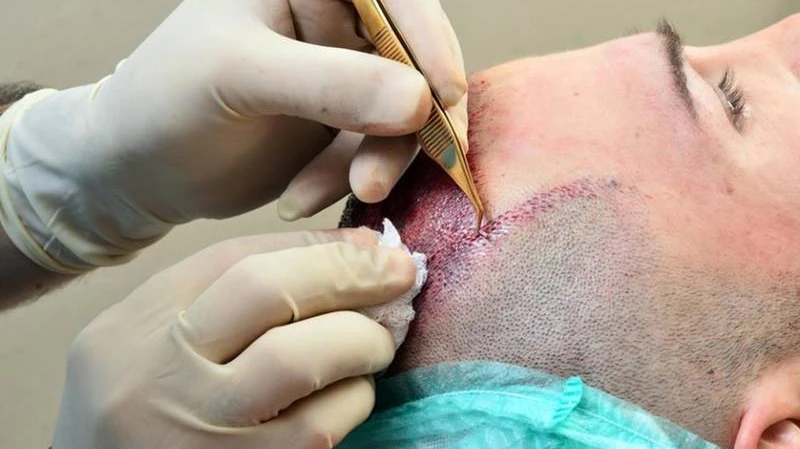
Restore natural-looking hair with FUE Hair Transplant Dubai at Dynamic Life Clinics. Get personalized hair restoration for thinning, receding, or bald areas.
Hair transplantation is not only about moving follicles from one area of the scalp to another; careful planning is essential for creating a natural-looking and balanced result. Before treatment, factors such as hairline position, existing density, facial proportions, donor hair availability, and the direction of natural hair growth are considered. Dynamic Life Clinics focuses on personalized aesthetic planning to help individuals understand how graft placement can be organized according to their specific hair restoration needs. This careful approach is particularly important when considering Fue Hair Transplant Dubai for restoring thinning or receding areas.
Understanding FUE Hair Transplant
FUE, or Follicular Unit Extraction, is a hair restoration technique in which individual follicular units are collected from a suitable donor area and placed into areas experiencing thinning or hair loss. The planning stage determines where the harvested grafts should be positioned to create appropriate coverage and natural-looking density. Rather than placing every graft in the same way, the arrangement is generally planned according to the characteristics of different scalp regions. This allows the treatment to address visible thinning while making effective use of the available donor hair.
How Is Hair Graft Placement Planned in FUE Hair Transplant?
Hair graft placement is planned by assessing the pattern of hair loss, desired coverage, existing hair density, donor supply, hairline design, and the natural direction and angle of hair growth. The recipient area is divided into sections, and the number and positioning of grafts are considered for each region. The front hairline usually requires particularly careful placement because it is highly visible and needs a natural transition from the forehead to the denser hair behind it. The crown and other thinning areas may require a different distribution depending on their size and characteristics.
Hairline Design and Facial Proportions
The hairline is one of the most important parts of graft placement because its position can strongly influence the overall appearance of the face. A suitable design considers facial proportions, age, existing hairline characteristics, and the individual pattern of hair loss. Rather than creating an overly straight or uniform line, grafts can be planned with varying density and irregularity to imitate natural growth. The transition zone at the front may use finer grafts, while denser placement can gradually be introduced behind it to create a seamless appearance.
Planning Graft Density
Graft density refers to how closely follicular units are positioned within a particular area. Planning the right density involves considering the existing hair, available donor follicles, scalp characteristics, and the amount of coverage required. Areas with significant thinning may require more grafts, while regions containing existing hair may need fewer strategically positioned units. Proper distribution helps avoid concentrating too many grafts in one location while leaving other areas inadequately covered. A personalized density plan can therefore help make better use of the available donor supply.
Considering Natural Hair Direction
The direction, angle, and orientation of transplanted follicles are important aspects of graft placement. Natural hair does not grow in one uniform direction across the scalp, so placement needs to account for the growth pattern of each region. At the hairline, follicles may be positioned at a flatter angle, while other areas may require different orientations according to their natural growth direction. Maintaining appropriate alignment helps transplanted hair blend more naturally with surrounding hair and contributes to a more realistic overall appearance.
Key Considerations in Graft Placement
-
Existing hair density is assessed before determining graft distribution.
-
The hairline is planned according to facial proportions and natural growth patterns.
-
Donor hair availability influences how many grafts can be allocated to each area.
-
Graft angles and directions are considered to support natural-looking growth.
-
Different scalp regions may receive different levels of graft density.
Matching Grafts to Recipient Areas
Not every follicular unit is identical, which is why graft characteristics can influence where they are placed. Single-hair grafts may be useful around the front hairline where a softer appearance is generally needed, while follicular units containing multiple hairs can contribute to density farther behind the hairline. Hair thickness, texture, and natural growth characteristics may also be considered when organizing graft placement. This individualized distribution can help create a gradual transition between the hairline and denser areas.
Planning the Crown and Mid-Scalp
The crown and mid-scalp require their own placement strategy because hair in these regions often follows different growth patterns. The crown may have a whorl-like direction, while the mid-scalp generally connects the front and rear areas of the scalp. Graft placement can therefore be organized to follow the existing pattern rather than creating an artificial appearance. For individuals seeking a FUE hair restoration procedure, understanding this regional planning can help explain why grafts are not simply distributed evenly across the entire scalp.
Balancing Coverage and Donor Supply
A successful graft plan also considers how to use the donor area responsibly. Hair loss can continue to change over time, so available donor follicles may need to be distributed carefully rather than used excessively in a single session. The amount of coverage required is compared with the available graft supply to create a realistic treatment plan. This balance can help address the most visible areas while preserving options for future hair restoration needs if additional thinning develops.
Factors That Influence Individual Results
Individual results can vary according to the extent and pattern of hair loss, donor hair characteristics, scalp condition, hair thickness, graft quality, and the natural growth response of transplanted follicles. The design and distribution of grafts also depend on the individual’s goals and existing hair pattern. A carefully planned approach can help ensure that grafts are positioned according to the specific requirements of different scalp areas, although the final appearance develops gradually and can differ from person to person.
FAQ’s
How are grafts planned in an FUE hair transplant?
Grafts are planned according to hair loss pattern, donor supply, recipient areas, hairline design, density, and natural growth direction.
Why is hairline planning important in FUE?
The hairline is highly visible, so its position, density, and graft orientation can influence how natural the overall result appears.
Are grafts placed at the same density everywhere?
No. Graft density can vary between the hairline, mid-scalp, crown, and other areas according to individual requirements.
Does hair direction affect graft placement?
Yes. Matching the direction and angle of transplanted follicles with surrounding hair can help create a more natural-looking appearance.
How does donor hair affect graft planning?
The amount and characteristics of available donor hair help determine how many grafts can be allocated to different thinning areas.
Conclusion
Hair graft placement in FUE hair transplant is planned by considering multiple factors, including hairline design, facial proportions, donor availability, existing density, graft characteristics, and natural hair direction. Each scalp region may require a different placement strategy to create balanced coverage and a natural transition between transplanted and existing hair. Fue Hair Transplant Dubai is therefore based on individualized planning rather than simply distributing grafts evenly, helping align the restoration approach with the person’s specific hair loss pattern and available donor resources.


Comments
Login to Comment