How Long Do Liposuction Results Last?
25 Sep, 2026
10 Views 0 Like(s)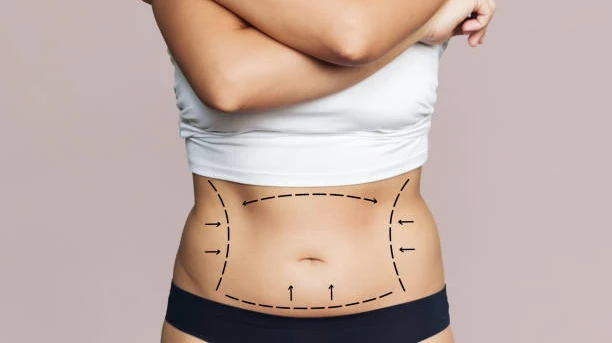
Discover Liposuction in Riyadh and learn how this body-contouring procedure targets localized fat. Understand the treatment process, recovery, results, and key considerations.
Liposuction is designed to create longer-lasting changes in the shape and contour of selected areas by removing unwanted fat cells. However, maintaining those results depends on several factors, including lifestyle, weight stability, skin elasticity, and the natural aging process. Patients considering Liposuction in Riyadh often want to know whether the improvement will remain visible for years or whether treated areas can eventually change again. Understanding how liposuction works and what happens after recovery can help set realistic expectations.
Once the body has healed, the fat cells removed during liposuction are permanently eliminated from the treated area. However, the remaining fat cells can enlarge if a person gains significant weight. This means the procedure can provide durable body-contouring changes, but it does not prevent future weight gain or natural changes in body shape. For people considering Liposuction in Riyadh, long-term maintenance is an important part of protecting the results.
Are Liposuction Results Permanent?
Liposuction results can be long-lasting because the procedure physically removes fat cells from specific areas. Unlike temporary treatments that rely on short-term changes, liposuction changes the number of fat cells within the treated region. Once initial swelling has settled and healing is complete, the new contours can remain for many years.
What Happens to Remaining Fat Cells?
Although treated fat cells are removed, not every fat cell in the body is eliminated. The remaining cells can increase in size when excess calories are stored as fat. Significant weight gain may therefore affect the contours created by liposuction and can make the treated areas appear fuller again.
How Weight Affects Liposuction Results
Maintaining a relatively stable weight is one of the most important factors in preserving liposuction results. A healthy lifestyle can help minimize changes in body composition and support the contours achieved through treatment. Major fluctuations in weight can alter the appearance of both treated and untreated areas.
Can You Gain Fat After Liposuction?
Yes. Liposuction does not make a person immune to future fat accumulation. If substantial weight gain occurs, fat can develop in remaining fat cells throughout the body. The distribution may vary from person to person, so future changes do not necessarily occur in exactly the same pattern as before treatment.
The Role of Aging
Aging naturally affects skin, muscle, and fat distribution. Over time, skin may lose some elasticity, and changes in hormones, activity levels, and body composition can influence overall contours. These normal changes can gradually alter the appearance of an area that previously underwent liposuction.
Does Aging Reverse Liposuction?
Aging does not reverse the fat cells that were removed, but it can change the surrounding tissues. Reduced skin elasticity or changes in body composition may make contours look different over the years. This is part of the natural aging process rather than the return of the exact fat cells removed during the procedure.
How Skin Elasticity Influences Results
Skin elasticity is another important factor in the long-term appearance of treated areas. Skin that can adapt well to the underlying contours may produce a smoother appearance after fat removal. If the skin has limited elasticity, loose or uneven skin may remain even when excess fat has been removed.
Why Is Skin Quality Important?
Liposuction primarily addresses localized fat and does not directly remove significant amounts of loose skin. Patients with substantial skin laxity may need a different or additional body-contouring approach. A qualified surgeon can evaluate skin quality and determine whether liposuction alone is appropriate.
Lifestyle Habits That Support Long-Term Results
Regular physical activity, balanced nutrition, adequate hydration, and a stable weight can help maintain body contours after liposuction. These habits support overall body composition and can reduce the likelihood of substantial changes caused by weight gain.
Is Exercise Important After Liposuction?
Exercise can support long-term weight management and overall fitness once the body has fully recovered and the surgeon has approved normal activity. Patients should gradually return to exercise after the procedure rather than rushing into demanding workouts during the healing period.
When Do Final Results Appear?
Liposuction results do not appear fully immediately after treatment. Swelling and fluid retention can temporarily obscure the new contours, and the tissues need time to settle. As healing progresses, the treated areas generally become more defined and the final outcome becomes easier to assess.
Can Results Continue Improving?
Yes. Changes can continue as postoperative swelling gradually decreases and tissues adapt. The pace varies depending on the treatment area, extent of liposuction, individual healing, and skin characteristics. Patience during the recovery period is important when evaluating the outcome.
Can Liposuction Be Repeated?
In some situations, additional body-contouring treatment may be considered if a patient develops new concerns after healing. However, repeat procedures require careful assessment of the existing tissue, skin quality, previous treatment, and overall health.
Why Is Professional Assessment Important?
A consultation allows a qualified surgeon to determine whether changes are related to residual swelling, weight gain, aging, skin laxity, or another factor. This helps identify an appropriate approach rather than assuming that additional fat removal is automatically necessary.
How to Protect Your Liposuction Results
Long-term maintenance begins after the initial recovery period. Keeping your weight relatively stable, following a balanced eating pattern, staying physically active, and attending follow-up appointments when recommended can help preserve the contours achieved through treatment. Liposuction in Riyadh can provide durable results, but ongoing healthy habits remain important for maintaining them.
When Should You Contact Your Surgeon?
Unexpected changes after recovery should be discussed with your healthcare provider, especially if they involve persistent swelling, significant contour changes, pain, or other concerning symptoms. Follow-up care can help monitor healing and address questions about the appearance of treated areas.
Book a Liposuction Consultation at Royal Clinic Saudia
If you are considering liposuction and want to understand how long your results may last, a personalized consultation can provide useful guidance. Royal Clinic Saudia can assess your body-contouring goals, skin characteristics, and treatment areas while explaining realistic expectations for recovery and long-term results.
FAQs
Are liposuction results permanent?
The fat cells removed from treated areas are permanently removed, but remaining cells can enlarge with significant weight gain. Aging and changes in skin elasticity can also affect the appearance over time.
How can I maintain my liposuction results?
Maintaining a stable weight, following balanced nutrition habits, staying physically active after recovery, and following your surgeon’s recommendations can help support long-term results.
Can the same area gain fat again after liposuction?
Yes. Remaining fat cells can enlarge after significant weight gain. Future fat distribution varies between individuals and may not exactly match the pattern before treatment.
How long should I wait before judging my final results?
It is usually necessary to allow sufficient time for swelling to settle and tissues to heal before evaluating the final contours. Your surgeon can advise when your individual results can be assessed more accurately.

Comments
Login to Comment