What is Mobile Forensics? Understanding Smartphone Investigations in the Digital Era
05 Aug, 2026
778 Views 0 Like(s)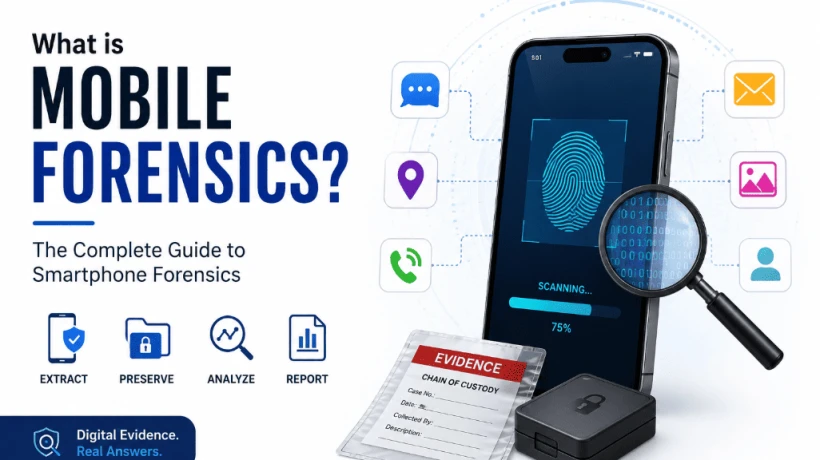
Discover what mobile forensics is, how smartphone investigations recover digital evidence, common extraction methods, recoverable data, and why email analysis plays a vital role in modern investigations.
Smartphones have become an extension of our daily lives. From conversations and banking to social media and GPS navigation, almost every activity leaves behind digital traces. When these traces become important in criminal investigations, corporate disputes, or cybersecurity incidents, specialists rely on mobile forensics to uncover the truth.
Modern smartphones store much more than photos and contacts. Even deleted messages, application records, browsing history, and location data can become valuable evidence when collected using the correct forensic procedures.
Understanding Mobile Forensics
If you've ever wondered What is Mobile Forensics, it refers to the scientific process of identifying, collecting, preserving, examining, and reporting digital evidence from smartphones, tablets, and other mobile devices while ensuring the evidence remains legally admissible.
Unlike normal data recovery, forensic investigations follow strict procedures that prevent modification of the original evidence. Every action performed during the investigation must be documented so the findings can withstand legal scrutiny.
As smartphones continue to evolve, forensic specialists must deal with encrypted storage, cloud synchronization, biometric authentication, and constantly changing mobile operating systems.
Why Smartphone Forensics Has Become Essential
Mobile devices are involved in almost every digital investigation today. Whether the objective is solving cybercrime, investigating insider threats, or conducting internal corporate audits, smartphones often contain critical evidence.
Some common investigation scenarios include:
-
Financial fraud investigations
-
Insider threat detection
-
Corporate espionage
-
Intellectual property theft
-
Employee misconduct
-
Criminal investigations
-
Cybersecurity incident response
-
Civil litigation
Because smartphones continuously interact with cloud services and online applications, they frequently provide a complete timeline of user activities.
The Standard Mobile Forensic Workflow
Professional investigations generally follow a structured methodology to maintain evidence integrity.
1. Secure the Device
The first priority is preventing any external communication that could modify or erase evidence. Investigators isolate the device by disabling wireless connectivity or placing it inside signal-blocking equipment.
2. Device Assessment
Before extraction begins, examiners document important information such as:
-
Device manufacturer
-
Model number
-
Operating system
-
Security features
-
Installed applications
-
Encryption status
This information determines the most suitable acquisition method.
3. Evidence Acquisition
Specialized forensic tools create a forensic copy of the device instead of working directly on the original hardware. This protects the integrity of the evidence throughout the investigation.
4. Examination
Once the forensic image is created, investigators begin examining the recovered information. Different artifacts are correlated to establish timelines, user activity, communication history, and potential evidence.
5. Documentation
The final stage involves producing a comprehensive forensic report detailing the acquisition process, findings, timestamps, and chain of custody. Proper documentation ensures transparency throughout legal proceedings.
What Information Can Be Recovered?
A modern smartphone stores information from dozens of applications and services. Depending on the device condition and extraction method, investigators may recover:
-
SMS conversations
-
Instant messaging applications
-
Email communications
-
Photos and videos
-
Audio recordings
-
Contact lists
-
Browser activity
-
Call history
-
GPS location records
-
Calendar entries
-
Download history
-
Application databases
-
Cloud synchronization records
-
Deleted files (when recoverable)
-
Metadata associated with digital files
Even when users believe information has been removed, remnants may still exist within device storage or application databases.
Different Mobile Data Extraction Techniques
Not every smartphone can be examined using the same approach. Investigators select the appropriate extraction method based on the device's security features and operating system.
Logical Acquisition
Collects data available through the operating system. It is quick but may not recover deleted content.
File System Acquisition
Provides access to the internal directory structure, allowing investigators to recover application data and system information beyond standard user files.
Physical Acquisition
Creates a complete bit-level image of device storage, offering one of the most comprehensive views of available evidence.
Advanced Hardware Methods
When devices are severely damaged or inaccessible, hardware-based techniques may be considered as a last option to recover storage contents.
Mobile Forensics and Computer Forensics: Key Differences
Although both disciplines fall under digital forensics, they present different technical challenges.
Desktop computers typically store information locally and are often examined while powered down. Smartphones, on the other hand, constantly communicate with cloud platforms, synchronize data across multiple services, and rely heavily on encryption and biometric authentication.
Investigators must also account for SIM cards, application databases, cloud backups, secure messaging platforms, and rapidly changing mobile operating systems.
Because of these unique challenges, smartphone investigations require specialized forensic knowledge and dedicated software.
Why Email Evidence Matters in Mobile Investigations
Email remains one of the most important sources of digital evidence. Smartphones continuously synchronize business and personal email accounts, creating valuable records that investigators frequently analyze during legal and corporate investigations.
Recovered email evidence may include:
-
Email messages
-
Attachments
-
Deleted conversations
-
Header information
-
Metadata
-
Conversation timelines
-
Sender and recipient details
In fraud investigations, regulatory compliance reviews, and corporate litigation, email communication often provides the context needed to reconstruct events accurately.
For comprehensive examination of email artifacts, investigators often rely on dedicated Email Forensics Software capable of analyzing mailbox data, recovering deleted messages, indexing large email collections, and generating investigation-ready reports.
Final Thoughts
Mobile devices have become one of the richest sources of digital evidence available today. Every message, location update, application interaction, and online activity can contribute valuable information during an investigation.
As mobile operating systems become increasingly secure, forensic methodologies continue to evolve alongside them. Understanding how smartphone investigations work helps organizations, investigators, legal professionals, and cybersecurity teams appreciate the importance of preserving digital evidence correctly.
Whether the objective is incident response, corporate investigation, or legal discovery, mobile forensics continues to play a central role in uncovering reliable digital evidence in today's connected world.


Comments
Login to Comment