What happens during Cellfina Treatment?
17 Sep, 2026
9 Views 0 Like(s)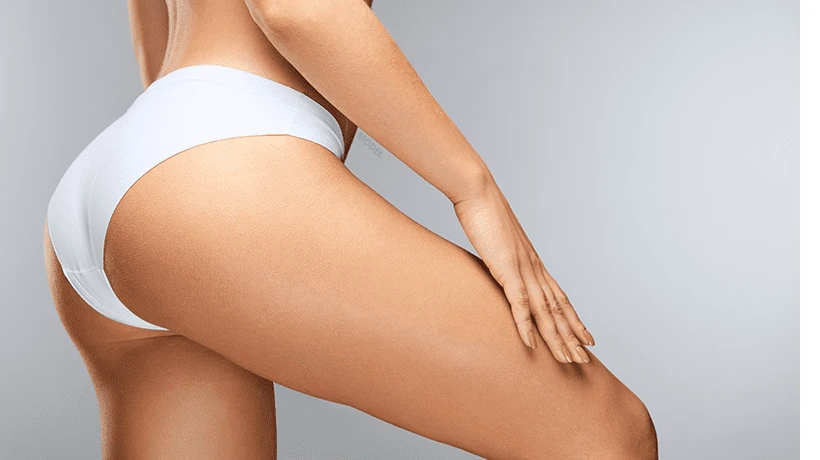
Cellfina Treatment involves assessing and marking cellulite dimples, applying local anaesthesia and releasing the connective tissue bands beneath the surface to improve selected cellulite depressions.
Cellfina Treatment is a minimally invasive procedure used to improve the appearance of cellulite dimples on the buttocks and thighs. It targets the connective tissue bands beneath the skin that pull the surface downward and create visible depressions. During treatment, a specialised device stabilises the skin while a small instrument releases the selected fibrous bands. People considering علاج سيلفينا في دبي should consult a qualified healthcare professional to understand the procedure, possible risks, and expected recovery.
What Happens Before Cellfina Treatment?
The process usually begins with a consultation and physical assessment. The healthcare professional examines the cellulite dimples and determines whether they are suitable for Cellfina.
The provider may review:
- Medical history
- Current medicines and supplements
- Allergies
- Previous cosmetic procedures
- Skin conditions
- Healing problems
- History of abnormal scarring
- Treatment expectations
The provider also evaluates the size, depth, number, and location of the cellulite depressions. Cellfina is designed for selected dimples caused by connective tissue bands, so it may not be suitable for widespread skin waviness, loose skin, or unevenness caused mainly by excess fat.
How Is The Treatment Area Marked?
On the day of treatment, the healthcare professional may take photographs to document the starting appearance. The cellulite dimples that will be treated are then identified and marked with a skin-safe marker.
Marking helps the provider focus on the specific depressions included in the treatment plan. The number of areas treated depends on the patient’s cellulite pattern and the expected treatment requirements.
Not every visible irregularity needs to be treated. The provider should explain which dimples may respond and what level of improvement may realistically be expected.
Is Local Anaesthesia Used?
Cellfina is commonly performed using local anaesthesia. A diluted numbing solution is injected into the treatment area to reduce discomfort while the connective tissue bands are released.
The patient usually remains awake during the procedure. Some people may feel a brief sting from the numbing injections, followed by pressure, suction, or movement during treatment.
The healthcare professional should allow enough time for the anaesthetic to take effect before beginning the band-release process. Patients should report significant pain or burning during the procedure so the provider can assess the area.
How Does The Cellfina Device Stabilise The Skin?
After the treatment area is numb, the provider places the Cellfina device over an individual cellulite dimple. The device uses gentle suction to draw the dimple into the treatment handpiece and stabilise the skin and underlying tissue.
Stabilisation helps the provider identify the position of the fibrous band and release it at a controlled depth. This targeted approach allows the procedure to focus on the structural cause of the dimple rather than treating the entire skin surface.
The device is moved from one selected dimple to another until all planned areas have been treated.
How Are The Connective Tissue Bands Released?
Once the skin is stabilised, a specialised microblade is inserted through a small entry point beneath the skin. The instrument releases the connective tissue band that pulls the skin downward.
This process is known as subcision. Releasing the band reduces the downward tension responsible for the cellulite depression and allows the skin to move toward a smoother position.
The procedure does not involve removing large amounts of fat or cutting away the skin. Its purpose is to release selected fibrous bands beneath the surface.
How Long Does Cellfina Treatment Take?
The treatment time depends on the number of cellulite dimples and the size of the area being treated. A smaller treatment may take less time, while multiple depressions on the buttocks or thighs may require a longer appointment.
The complete visit also includes preparation, marking, local anaesthesia, treatment, and aftercare instructions. Cellfina is commonly performed in an office or clinic setting, and patients generally do not require general anaesthesia.
What Happens Immediately After Treatment?
After the selected bands have been released, the provider checks the treated area. Small entry points may be covered with sterile dressings or tape.
Temporary reactions may include:
- Bruising
- Swelling
- Tenderness
- Soreness
- Firmness
- Temporary numbness
- Mild bleeding or fluid drainage
These effects can make the area appear uneven immediately after treatment. The final appearance is easier to assess after swelling and bruising begin to settle.
The provider may recommend compression garments or other measures to help manage swelling and discomfort.
What Is The Recovery Like?
Cellfina usually involves limited downtime compared with extensive surgery, but the treated area still needs time to heal. Many patients can return to light daily activities soon after treatment, depending on the provider’s instructions.
Strenuous exercise, heavy pressure, or activities that place stress on the treated area may need to be avoided temporarily. Bruising and swelling can continue for several days or weeks, while small areas of firmness or numbness may take longer to resolve.
Patients should keep the treated area clean, follow dressing instructions, and avoid scratching or rubbing the skin. Medical advice should be obtained if pain increases, redness spreads, swelling becomes severe, or fever or discharge develops.
When Do Cellfina Results Become Visible?
Some improvement may become noticeable after the initial swelling begins to settle. Results can continue to develop over the following weeks as the treated area heals.
Cellfina may provide long-lasting improvement in selected cellulite dimples, but complete removal of all cellulite is not guaranteed. The outcome depends on skin elasticity, the number and depth of dimples treated, individual healing, and the patient’s anatomy.
Ageing, weight changes, and natural changes in skin structure may also affect the appearance of cellulite over time.
Who May Not Be Suitable For Cellfina?
Cellfina is not appropriate for everyone. Additional assessment may be needed for people with active infections, bleeding problems, poor wound healing, abnormal scarring, or certain medical conditions.
Patients should inform the provider about all medicines, supplements, allergies, pregnancy, breastfeeding, and previous reactions to local anaesthesia or cosmetic procedures. The healthcare professional should determine whether Cellfina is suitable before treatment begins.
Frequently Asked Questions:
Is Cellfina painful?
Local anaesthesia is commonly used to reduce discomfort. Patients may feel brief stinging from the numbing injections and pressure or suction during treatment.
Does Cellfina require stitches?
Large surgical stitches are not usually required. The procedure uses small entry points that may be covered with dressings or tape.
Can patients return home after Cellfina?
Cellfina is generally performed as an outpatient procedure. Most patients can leave after treatment if the healthcare professional confirms that it is safe.
How long does Cellfina recovery take?
Recovery varies. Bruising, swelling, soreness, and tenderness may continue for several days or longer.
Does Cellfina remove fat?
No. Cellfina releases connective tissue bands responsible for selected cellulite dimples. It is not a weight-loss or general fat-removal treatment.
Conclusion:
During Cellfina Treatment, the healthcare professional assesses and marks the cellulite dimples, applies local anaesthesia, stabilises the skin with a specialised device, and releases the connective tissue bands beneath the surface. The procedure is minimally invasive and focuses on selected depressions rather than removing fat or skin. Temporary bruising, swelling, tenderness, and numbness may occur during recovery. A qualified professional should explain the procedure, possible risks, aftercare, and expected results before treatment.


Comments
Login to Comment