Can Outdoor Furniture Withstand Rain and Sun?
17 Sep, 2026
8 Views 0 Like(s)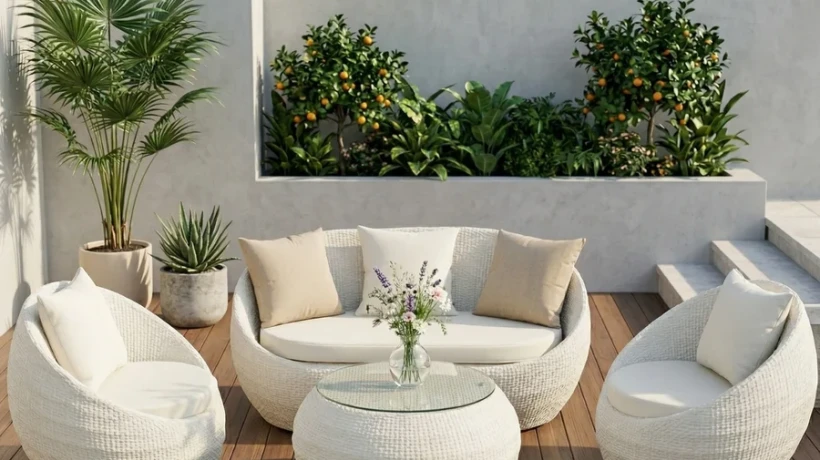
Outdoor furniture is designed to make balconies, gardens, patios, terraces, and other open spaces more comfortable and functional. However, one common question buyers have is whether it can withstand regular exposure to rain and sunlight. The answer depends on the material, construction quality, protective finish, and how well the furniture is maintained.
Outdoor furniture is designed to make balconies, gardens, patios, terraces, and other open spaces more comfortable and functional. However, one common question buyers have is whether it can withstand regular exposure to rain and sunlight. The answer depends on the material, construction quality, protective finish, and how well the furniture is maintained.
Good-quality outdoor furniture can handle normal outdoor conditions, including sunlight, humidity, and occasional rain. However, no furniture is completely unaffected by prolonged exposure to harsh weather. Choosing suitable materials and following simple care practices can significantly improve durability and appearance.
How Does Rain Affect Outdoor Furniture?
Rain is one of the most important factors to consider when choosing furniture for an open area. Continuous exposure to moisture can affect certain materials by causing swelling, rust, stains, mould, or deterioration.
Metal furniture with an appropriate powder-coated or weather-resistant finish can generally handle outdoor moisture better than untreated metal. However, scratches or damaged coating may expose the underlying metal to moisture and eventually lead to corrosion.
Plastic and synthetic materials are also commonly used outdoors because they are generally resistant to moisture and easy to clean. Wooden furniture requires more attention because repeated wetting and drying can affect the wood over time. A suitable protective treatment and regular maintenance can help reduce these effects.
Using furniture covers during heavy rainfall and allowing cushions to dry completely can further protect your setup.
Can Sunlight Damage Outdoor Furniture?
Direct sunlight can affect outdoor furniture in a different way. Continuous exposure to ultraviolet (UV) rays may cause colours to fade and some materials to become brittle or lose their original finish over time.
Quality outdoor products are often manufactured with materials or finishes intended for exterior use. UV-resistant fabrics can help cushions and upholstery retain their appearance for longer, while suitable coatings can provide additional protection to furniture surfaces.
Even with weather-resistant construction, placing furniture under a shade, pergola, umbrella, or covered balcony can reduce direct exposure to intense sunlight. This is particularly useful in areas that experience strong summer temperatures.
Which Materials Are Suitable for Outdoor Use?
Material selection plays a major role in determining how well outdoor furniture handles weather.
Metal: Powder-coated steel and aluminium are commonly selected for outdoor applications. Aluminium has the additional advantage of being lightweight and naturally resistant to rust.
Plastic: Outdoor-grade plastic is moisture-resistant, lightweight, and relatively easy to clean. It can be a practical choice for balconies, gardens, and casual seating areas.
Wood: Treated wood can create a natural appearance and work well in outdoor settings. It generally requires more maintenance than many synthetic materials.
Synthetic wicker: Outdoor-grade synthetic wicker is designed to replicate the appearance of natural wicker while offering better resistance to moisture and changing outdoor conditions.
The right choice depends on your local climate, intended placement, frequency of use, and willingness to perform regular maintenance.
How to Protect Outdoor Furniture From Rain and Sun
Even weather-resistant furniture benefits from basic care. When heavy rain or extreme weather is expected, covering or moving the furniture to a sheltered area can reduce unnecessary exposure.
Furniture covers should ideally allow ventilation rather than trapping moisture underneath. Cushions should be stored in a dry location during prolonged rainfall. Wiping away standing water can also help prevent moisture-related problems.
For wooden furniture, follow the manufacturer's recommendations regarding cleaning, sealing, or protective treatments. Metal furniture should be checked periodically for chips or scratches in its protective coating. Addressing small areas early can help prevent larger problems.
During periods of intense sunlight, using an outdoor umbrella or placing furniture in a shaded area can help minimise fading and heat-related wear.
Does Weather-Resistant Mean Waterproof?
These terms are often used interchangeably, but they do not necessarily mean the same thing. Weather-resistant furniture is designed to tolerate outdoor conditions, but that does not mean every component is completely waterproof.
For example, a chair frame may be highly resistant to rain while its cushion fabric may absorb some moisture. Similarly, furniture can withstand occasional rainfall but may require additional protection during prolonged monsoon conditions.
Before buying, check the manufacturer's specifications for the frame, upholstery, cushions, and finish rather than assuming the entire product is waterproof.
How Long Can Outdoor Furniture Last?
There is no single lifespan that applies to every outdoor product. Durability depends on material quality, construction, weather exposure, maintenance, and frequency of use.
Furniture kept in a partially covered area and maintained regularly may retain its appearance and functionality for considerably longer than furniture left exposed to intense sun and heavy rain throughout the year.
Buyers should therefore consider both the product's construction and the environment where it will be placed. For Indian homes, this is particularly relevant because outdoor furniture may need to cope with strong sunlight, seasonal rainfall, humidity, and temperature changes.
Is Outdoor Furniture Worth Buying for Indian Homes?
For balconies, terraces, gardens, patios, and other open areas, outdoor furniture can make unused space more practical. The key is selecting products according to the conditions they will face.
If the furniture will remain outdoors throughout the year, prioritise weather-resistant materials, durable finishes, easy-to-maintain surfaces, and suitable outdoor fabrics. If possible, provide shade and use covers during periods of heavy rain or intense sunlight.
A good combination of appropriate material, proper placement, and regular maintenance can help your furniture remain comfortable and attractive for longer. Rather than expecting furniture to withstand every weather condition without care, treating it as an outdoor product with specific maintenance needs is the better approach.
Final Thoughts
Yes, quality outdoor furniture can withstand rain and sunlight when it is designed for exterior use and properly maintained. However, its ability to handle weather depends heavily on the material, protective finish, construction, and level of exposure.
Before purchasing, consider where you will place the furniture, how much direct sunlight and rainfall it will receive, and how much maintenance you are prepared to provide. Choosing weather-resistant materials and protecting the furniture during extreme conditions can help preserve its functionality and appearance for years.
Frequently Asked Questions
1. Can outdoor furniture stay outside in the rain?
Yes, furniture designed specifically for outdoor use can generally remain outside during normal rainfall. However, prolonged heavy rain can still affect certain materials, cushions, finishes, and joints. Using covers or moving furniture to a sheltered area during heavy rainfall can provide additional protection.
2. What outdoor furniture material lasts the longest?
Durability varies according to construction, climate, maintenance, and exposure. Aluminium, powder-coated metals, outdoor-grade plastics, treated wood, and synthetic wicker are commonly used for outdoor applications. The best option depends on the location and weather conditions.
3. How do I protect outdoor furniture from the sun?
Use furniture covers, umbrellas, pergolas, or other shade solutions to reduce direct UV exposure. Choosing UV-resistant fabrics and weather-resistant finishes can also help reduce fading and surface deterioration.
4. Should outdoor furniture be covered when not in use?
Covering furniture is especially useful during heavy rain, extreme sunlight, dust storms, or long periods when the furniture will not be used. Covers can reduce exposure to moisture, dirt, dust, and UV rays, potentially reducing maintenance requirements.
5. How can I make outdoor furniture last longer?
Clean it regularly, remove standing water, keep cushions dry, use suitable protective covers, and follow the manufacturer's maintenance instructions. Placing furniture in a shaded or partially covered area can also reduce exposure to harsh weather and extend its usable life.


Comments
Login to Comment