How Does a Coffee Table Improve Living Room Functionality?
17 Sep, 2026
8 Views 0 Like(s)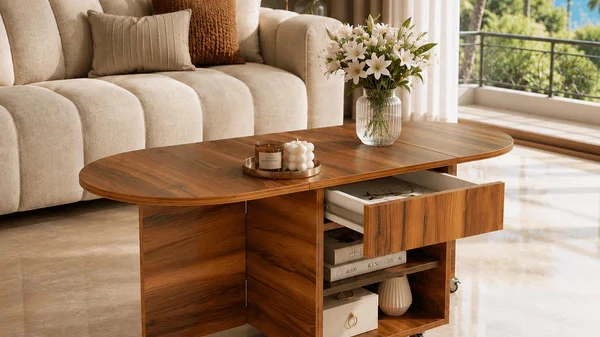
A living room needs to be comfortable, practical, and organised enough for everyday activities. While sofas and chairs provide the main seating, smaller furniture pieces can make the space much more convenient. A coffee table is one such addition that can provide a useful surface while helping bring the seating arrangement together.
A living room needs to be comfortable, practical, and organised enough for everyday activities. While sofas and chairs provide the main seating, smaller furniture pieces can make the space much more convenient. A coffee table is one such addition that can provide a useful surface while helping bring the seating arrangement together.
A well-chosen living room coffee table can be used for serving snacks, keeping books, placing remote controls, displaying décor, or simply providing a convenient surface within easy reach. Its usefulness depends on its size, shape, storage features, material, and how well it fits into the available space.
Provides a Convenient Surface
One of the biggest advantages of a coffee table is the accessible surface it provides. Instead of reaching for a side table or placing items on the sofa, you have a central surface within comfortable reach.
It can hold everyday essentials such as beverages, snacks, magazines, books, remotes, and small decorative objects. During family gatherings or when guests visit, the table can also provide space for serving items.
This simple functionality can make everyday use of the living room more convenient.
Helps Organise the Seating Area
The living room coffee table can visually and functionally connect the different elements of a seating arrangement. When positioned in front of a sofa and between chairs, it creates a central point around which people can sit and interact.
Without a central table, a seating arrangement may feel incomplete or less practical. A properly sized table creates a defined area while leaving sufficient space for people to move around comfortably.
The table should generally be positioned so that users can reach it easily without obstructing movement.
Adds Useful Storage
Some coffee tables are designed with shelves, drawers, cabinets, or compartments. These features can be particularly helpful in compact homes where every piece of furniture needs to provide practical value.
A table with storage can accommodate books, magazines, remotes, games, coasters, or other small living-room essentials. Keeping these items inside or underneath the table can reduce visible clutter.
If your living room has limited storage, choosing a coffee table for living room spaces with built-in compartments can provide both a functional surface and additional organisation.
Makes Small Spaces More Practical
A coffee table does not need to be large to be useful. Compact tables can work well in apartments and smaller living rooms where floor space is limited.
Round or oval designs can make movement around the table easier, while nesting tables can provide additional surface space when required and take up less room when not in use.
For smaller rooms, measuring the available floor area before purchasing is important. The table should leave enough space between the furniture and surrounding walkways.
Supports Different Everyday Activities
A coffee table can serve several purposes throughout the day. It can be a place to enjoy morning tea, work on a laptop for a short period, read a book, play board games, or keep snacks while watching television.
Families may also use the table for children's activities, provided the design and construction are appropriate. A durable surface can make the furniture more suitable for frequent daily use.
Because the table can serve multiple purposes, selecting a design based on how the living room is actually used can be more beneficial than choosing one based only on appearance.
Complements the Living Room Design
Functionality is important, but a coffee table can also contribute to the overall appearance of a room. Different materials and finishes can create different visual effects.
Wooden tables can add warmth and a natural feel, while metal and glass combinations can create a more contemporary appearance. Storage-focused designs can provide a practical look without compromising the room's overall arrangement.
The table should complement the sofa, flooring, walls, and other furniture rather than appearing disconnected from the rest of the room.
Choosing the Right Size and Shape
The dimensions of the table are particularly important. A table that is too large can make the room feel cramped, while one that is too small may not provide enough useful surface area.
Consider the size of the sofa and the available floor space before making a purchase. The height should also be comfortable relative to the seating.
Shape is another factor. Rectangular tables work well with longer sofas, while round and oval designs can suit compact or conversational seating arrangements. Square tables may work particularly well in larger seating layouts.
Consider Storage Requirements
Think about what you expect to keep on or inside the table. If you mainly need a surface for drinks and décor, a simple tabletop may be sufficient.
If your living room frequently becomes cluttered with books, remotes, chargers, toys, or other small items, a design with drawers or shelves may be more practical.
A storage-based design can help keep frequently used objects accessible while maintaining a cleaner-looking room.
Consider Material and Maintenance
The material should suit your lifestyle and maintenance preferences. A frequently used table should ideally have a durable surface that is easy to clean.
Homes with children or pets may benefit from sturdy materials and designs with fewer delicate components. If the table will be used mainly for décor, appearance and finish may have greater importance.
Following the manufacturer's cleaning and maintenance recommendations can help preserve the table's finish over time.
Why a Coffee Table Is More Than Décor
A coffee table may look like a simple decorative piece, but its everyday functionality can have a noticeable impact on how a living room is used. It provides a central surface, supports organisation, complements seating, and can add valuable storage.
The right table should match both the room and the habits of the people using it. Instead of choosing a table based only on its appearance, consider dimensions, storage, material, maintenance, and placement.
Conclusion
A well-selected living room coffee table can make a seating area more convenient, organised, and functional. From holding drinks and books to providing additional storage, it can serve several purposes without requiring significant floor space.
When choosing a coffee table for living room use, consider the size of your seating arrangement, available space, desired storage, material, shape, and overall décor. A practical design that fits your room properly can make everyday living more comfortable while completing the look of the seating area.
Frequently Asked Questions
1. What is the main purpose of a coffee table?
A coffee table provides a convenient central surface for placing drinks, snacks, books, remotes, décor, and other everyday items. Some designs also provide additional storage through drawers, shelves, or compartments.
2. How do I choose the right coffee table for my living room?
Consider the size of your living room, sofa dimensions, available walking space, preferred height, storage needs, material, and overall décor. The table should provide enough surface area without making the room difficult to navigate.
3. Should a coffee table be higher or lower than the sofa?
A coffee table is generally most comfortable when its height is close to the height of the sofa seat or slightly lower. The exact choice depends on the sofa and how you intend to use the table.
4. What shape of coffee table is best for a living room?
The best shape depends on the room layout. Rectangular tables can work well with long sofas, while round or oval tables can suit smaller spaces and make movement around the furniture easier.
5. Is a coffee table with storage useful?
Yes. A coffee table with drawers, shelves, or compartments can help organise books, remotes, games, magazines, and other small items. It can be particularly useful in living rooms where additional storage is limited.



Comments
Login to Comment