What Happens During a Personalized Liposuction Treatment?
28 Sep, 2026
6 Views 0 Like(s)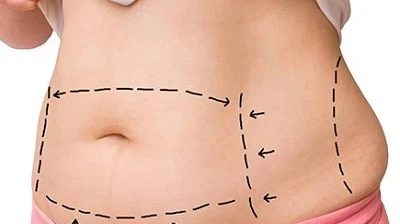
Discover safe and effective liposuction surgery for targeted fat removal, body contouring, and a slimmer, more defined appearance with expert care.
Liposuction is a body-contouring procedure designed to remove stubborn pockets of localized fat that may not respond easily to diet and exercise. While many people associate liposuction with a single standard technique, modern treatment is often much more personalized. The treatment plan can vary according to a person’s body shape, treatment goals, skin quality, amount of excess fat, and overall health.
For people researching Liposuction Surgery in Oman, understanding what happens during a personalized treatment can make the process feel much less uncertain. From the initial consultation to recovery, each stage has an important role in achieving a safe and natural-looking outcome.
Liposuction is generally considered a cosmetic procedure rather than a weight-loss treatment. Its primary purpose is body contouring, helping improve the shape and proportions of specific areas where localized fat has remained resistant to lifestyle changes.
How Is a Liposuction Treatment Personalized?
No two bodies are exactly alike, so a responsible liposuction plan should not follow a one-size-fits-all approach. During an initial consultation, a qualified medical professional typically evaluates the areas where fat reduction is desired and discusses the person’s expectations.
Common treatment areas can include the abdomen, waist, hips, thighs, upper arms, back, and certain areas beneath the chin. The treatment plan depends on where excess fat is concentrated and how the surrounding tissues are likely to respond.
Skin elasticity is another important consideration. When the skin has reasonable elasticity, it may adapt more effectively to the body's new contours after fat removal. If there is significant loose skin, however, liposuction alone may not address every concern.
A personalized plan may also consider the amount of fat that can reasonably be removed, the number of treatment areas, the surgical technique, anesthesia requirements, and expected recovery. Medical history, medications, previous procedures, and general health can also influence the planning process.
The goal is not simply to remove as much fat as possible. Instead, the focus is usually on creating balanced contours while maintaining appropriate safety.
What Happens Before Liposuction Surgery?
Preparation begins well before the procedure itself. During the consultation, the patient can explain which areas cause concern, what type of improvement is expected, and whether there are particular body-contouring goals.
The medical professional may examine the treatment areas and assess skin quality, fat distribution, and overall body proportions. Photographs or measurements may sometimes be taken for treatment planning and later comparison.
A medical history is also important. Certain health conditions, medications, allergies, previous surgeries, and lifestyle factors may affect whether liposuction is appropriate or how the procedure should be performed.
Patients may receive specific instructions before surgery. Depending on the planned procedure and anesthesia, these instructions can include guidance about eating, drinking, medications, smoking, alcohol, and arranging transportation or assistance after surgery.
Anyone considering Liposuction Surgery in Oman should use the consultation as an opportunity to ask practical questions. Understanding the procedure, expected recovery, potential risks, aftercare, and realistic results can help a person make an informed decision.
What Happens During the Liposuction Procedure?
On the day of treatment, the planned areas are usually reviewed and marked so the treatment can follow the agreed body-contouring plan. Marking the skin helps identify areas requiring attention and can support a balanced approach to fat removal.
Anesthesia is then provided according to the treatment plan. The type of anesthesia can vary depending on the extent of the procedure and the areas being treated.
Once anesthesia has taken effect, small openings are generally made in carefully selected locations. A thin surgical tube, commonly called a cannula, can then be introduced through these openings.
The cannula is moved through the fatty tissue in a controlled manner while fat is loosened and removed using suction. The technique and movement pattern can vary depending on the treatment area and the desired contour.
A skilled approach is important because removing too much fat from one location or creating uneven contours can affect the final appearance. Personalized liposuction therefore involves more than simply removing fat; it involves shaping the underlying body contour.
The length of the procedure can vary considerably. A smaller treatment involving one area may take less time than a procedure addressing several areas. The amount of fat being treated, surgical technique, anesthesia, and individual circumstances can all influence the duration.
What Is Recovery Like After Personalized Liposuction?
Recovery is an important part of the overall treatment process. Immediately after liposuction, some swelling, bruising, tenderness, tightness, or temporary numbness can occur. These effects can vary depending on the treatment area and the extent of the procedure.
A compression garment may be recommended after treatment. Such garments can help support the treated areas during the early healing period and may assist with managing swelling.
Patients are generally encouraged to follow their aftercare instructions carefully. Light movement may be recommended relatively early because gentle activity can support circulation, while strenuous exercise and heavy lifting may need to be avoided until the medical team considers them appropriate.
The first few days can be the most uncomfortable part of recovery, although individual experiences differ. Swelling can remain noticeable for several weeks, and the body may continue changing as the tissues heal.
It is also important to understand that the final appearance does not necessarily become visible immediately. Early swelling can temporarily hide the contour changes. Gradual improvement is more typical, with the outcome becoming clearer as healing progresses.
Follow-up appointments can help monitor recovery and identify any concerns early.
When Can Someone Expect to See the Results?
One of the most common questions about liposuction is how quickly the results will appear. The answer depends on several factors, including the treatment area, amount of fat removed, individual healing response, skin elasticity, and adherence to aftercare instructions.
Some changes may be visible soon after swelling begins to decrease, but the body needs time to settle into its new contours. Temporary swelling and fluid retention can make the treated areas appear different during the early stages.
As healing progresses, the contours may become smoother and more defined. Patience is therefore an important part of the process.
Liposuction removes fat cells from the treated area, but maintaining a stable body weight remains important. Significant weight gain after treatment can change the appearance of the treated areas and other parts of the body.
For someone considering Liposuction Surgery in Oman, realistic expectations are essential. Liposuction can improve localized body contours, but it is not designed to guarantee a particular body shape or replace healthy lifestyle habits.
What Are the Potential Risks and Considerations?
Although liposuction is a commonly performed cosmetic procedure, it is still surgery and carries potential risks. Possible complications can include infection, bleeding, fluid accumulation, changes in sensation, irregular contours, asymmetry, swelling, bruising, and reactions related to anesthesia.
The level of risk can vary depending on the individual's health, the extent of the procedure, the treatment areas, and other factors.
Choosing an appropriately qualified medical professional and following preoperative and postoperative instructions are important steps in reducing avoidable risks. Patients should also provide complete and accurate medical information during their consultation.
Certain warning signs after surgery may require prompt medical attention. These can include severe or worsening pain, significant swelling, difficulty breathing, chest pain, persistent fever, unusual drainage, or other symptoms that seem concerning. Patients should follow the specific emergency guidance provided by their medical team.
A thorough consultation should always include a discussion of both potential benefits and possible complications. This helps ensure that the decision is based on realistic information rather than expectations of perfection.
Is Liposuction the Right Choice for Everyone?
Liposuction may be suitable for adults who have localized fat deposits and are generally healthy enough to undergo the procedure. However, it is not necessarily appropriate for everyone.
People seeking significant overall weight loss may need a different approach. Liposuction is primarily intended for contouring rather than treating obesity. Likewise, people with substantial loose skin may require an assessment to determine whether another procedure or combination approach would better address their concerns.
Personal goals also matter. Someone seeking a subtle improvement may have a very different treatment plan from someone wanting contouring across several areas.
A consultation provides an opportunity to determine whether liposuction is appropriate and what type of result may reasonably be expected.
For those exploring Liposuction Surgery in Oman, the most useful first step is usually to focus on medical suitability, treatment goals, safety, recovery expectations, and the qualifications of the healthcare professional rather than choosing a procedure based solely on appearance or cost.
Frequently Asked Questions
1. Is liposuction a weight-loss procedure?
Liposuction is primarily a body-contouring procedure rather than a weight-loss treatment. It is intended to reduce localized pockets of fat and improve body proportions. People seeking substantial weight reduction may need to consider other medically appropriate approaches.
2. Which areas can be treated with liposuction?
Common treatment areas include the abdomen, waist, hips, thighs, upper arms, back, and some areas beneath the chin. The appropriate treatment area depends on the person's anatomy, goals, skin condition, and medical assessment.
3. How long does recovery after liposuction take?
Recovery varies from person to person. Some people can return to light daily activities relatively soon, while swelling and bruising may continue for several weeks. More strenuous activities may need to be postponed until the treating medical professional confirms that they are safe.
4. Are liposuction results permanent?
The fat cells removed from a treated area are generally permanently removed, but the remaining fat cells can enlarge if a person gains significant weight. Maintaining a stable weight and healthy lifestyle can help preserve the body's contours.
5. Does liposuction leave scars?
Liposuction usually involves small openings through which the cannula is inserted. These openings can leave small marks or scars, although their appearance varies between individuals and generally depends on factors such as healing, skin type, and the location of the incisions.
6. What should someone consider before Liposuction Surgery in Oman?
A person should consider medical suitability, the experience and qualifications of the healthcare professional, the planned technique, treatment areas, anesthesia, recovery requirements, potential risks, aftercare, and realistic expectations. A detailed consultation is important before making a final decision.
Read More About Liposuction Surgery: https://ameblo.jp/enfieldclinicoman/entry-12980053067.html


Comments
Login to Comment