How to Train for Your First Mt Fuji Climb Without Experience
28 Sep, 2026
5 Views 0 Like(s)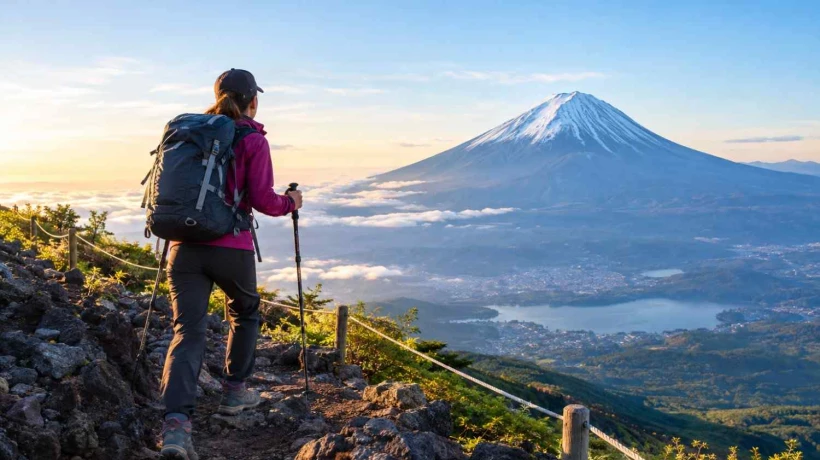
Learn how to train for your first Mt Fuji climb with this beginner-friendly fitness plan, hiking tips, and preparation guide for a safe summit.
Climbing Mt Fuji is a dream for many travelers visiting Japan. Standing at 3,776 meters (12,389 feet), Japan's tallest mountain offers breathtaking sunrise views, volcanic landscapes, and an unforgettable sense of achievement. While the climb is considered non-technical, reaching the summit still requires good preparation, especially if you've never hiked a mountain before.
The good news is that you don't need to be an experienced mountaineer to reach the top. With consistent training, the right mindset, and smart planning, most healthy beginners can successfully complete the climb. This complete guide to climbing Mt Fuji explains how to build your fitness, prepare your body, and gain confidence before your adventure.
Whether you're climbing during Japan's official hiking season or planning months ahead, here's everything you need for getting ready for Mt Fuji and preparing for your first summit.
Build Your Fitness with Regular Cardio
One of the biggest challenges on Mt Fuji is endurance. Most hiking routes take between five and ten hours to complete, including the descent. You'll spend long periods walking uphill at high altitude, which can be exhausting without proper conditioning.
Start training at least eight to twelve weeks before your trip. Aim for three to five cardio sessions each week, including activities such as:
- Brisk walking
- Jogging
- Cycling
- Swimming
- Stair climbing
- Hiking on local trails
Gradually increase your workout duration until you can comfortably exercise for 60 to 90 minutes without feeling overly tired.
Stair climbing deserves special attention because it closely mimics the long uphill sections found on Mt Fuji. If you live in a city, climbing apartment or office stairs is one of the most effective ways to prepare.
Strengthen Your Legs and Core
Strong muscles reduce fatigue and improve balance on uneven volcanic terrain. While cardio improves endurance, strength training helps protect your knees and ankles during both the climb and descent.
Focus on exercises that strengthen your lower body and core two or three times each week.
Helpful exercises include:
- Squats
- Lunges
- Step-ups
- Romanian deadlifts
- Calf raises
- Planks
- Side planks
- Glute bridges
Bodyweight exercises work well for beginners, although light dumbbells can add extra challenge as you progress.
Your core muscles also help maintain balance while carrying a backpack and walking across loose volcanic gravel.
Practice Hiking Before Your Trip
Nothing replaces actual hiking experience. Even if there are no mountains near your home, you can still prepare by walking on hills, parks, forest trails, or uneven terrain.
Try completing several practice hikes while wearing the same backpack and hiking boots you'll use on Mt Fuji. This helps you:
- Break in your boots
- Discover any gear issues
- Build hiking confidence
- Improve balance on uneven ground
Gradually increase the distance and elevation of your hikes. Carry a backpack weighing around 5 to 8 kilograms to simulate real hiking conditions.
If possible, schedule one or two hikes lasting four to six hours. These longer outings teach your body how to manage fatigue over extended periods.
This practical experience is one of the most valuable parts of getting ready for Mt Fuji.
Prepare Your Body for High Altitude
Many first-time climbers underestimate the effects of altitude. As you climb higher, oxygen levels decrease, making physical activity feel much harder.
Although you can't fully simulate Mt Fuji's altitude unless you live in the mountains, you can reduce the impact by improving your overall fitness.
During the climb:
- Walk at a steady pace.
- Take short breaks instead of long rests.
- Drink water regularly.
- Eat small snacks throughout the hike.
- Avoid rushing to the summit.
If you're staying overnight in a mountain hut, the extra time allows your body to adjust before making the final climb for sunrise.
Learning to recognize early signs of altitude sickness—such as headaches, dizziness, nausea, or unusual fatigue—is also an important part of preparing for your first summit.
Train with the Gear You'll Actually Use
Many hiking problems come from unfamiliar equipment rather than poor fitness.
Before your Mt Fuji trip, practice using:
- Hiking boots
- Backpack
- Trekking poles
- Rain jacket
- Hiking socks
- Layered clothing
- Headlamp
Wear your boots during training walks until they're fully broken in. Never bring brand-new boots to Mt Fuji, as they often cause painful blisters.
Practice packing your backpack efficiently so that heavier items stay close to your back while frequently used essentials remain easy to access.
Testing your clothing during different weather conditions also helps you understand which layers keep you comfortable without overheating.
This preparation builds confidence and reduces surprises on hiking day.
Create a Smart Training Schedule and Mental Plan
Consistency matters more than intense workouts. Rather than training hard for one week and stopping, follow a gradual plan that allows your body to adapt safely.
A simple weekly schedule might look like this:
- Monday: Cardio (45–60 minutes)
- Tuesday: Strength training
- Wednesday: Easy walk or recovery
- Thursday: Cardio intervals or stair climbing
- Friday: Strength training
- Saturday: Long hike or extended walk
- Sunday: Rest and stretching
Remember that mental preparation is just as important as physical fitness.
Mt Fuji is a long climb, and there will likely be moments when you feel tired. Breaking the journey into smaller sections, maintaining a comfortable pace, and staying positive can make the experience much more enjoyable.
Research your chosen trail, understand the weather forecast, reserve mountain huts early if staying overnight, and prepare a checklist before departure.
Following a structured routine is one of the best ways to complete this complete guide to climbing Mt Fuji successfully.
Final Thoughts
You don't need years of hiking experience to reach the summit of Mt Fuji. With several weeks of steady cardio, strength training, practice hikes, and proper planning, first-time climbers can greatly improve their chances of having a safe and enjoyable adventure.
Remember that the goal isn't to climb as fast as possible—it's to climb safely, comfortably, and confidently. Building endurance, testing your equipment, and learning about mountain conditions will prepare you far better than relying on determination alone.
By focusing on getting ready for Mt Fuji through consistent training and carefully preparing for your first summit, you'll arrive at Japan's most famous mountain feeling ready for the challenge and able to enjoy every step of this unforgettable journey.



Comments
Login to Comment