What happens during a Dermapen Treatment session?
23 Oct, 2026
9 Views 0 Like(s)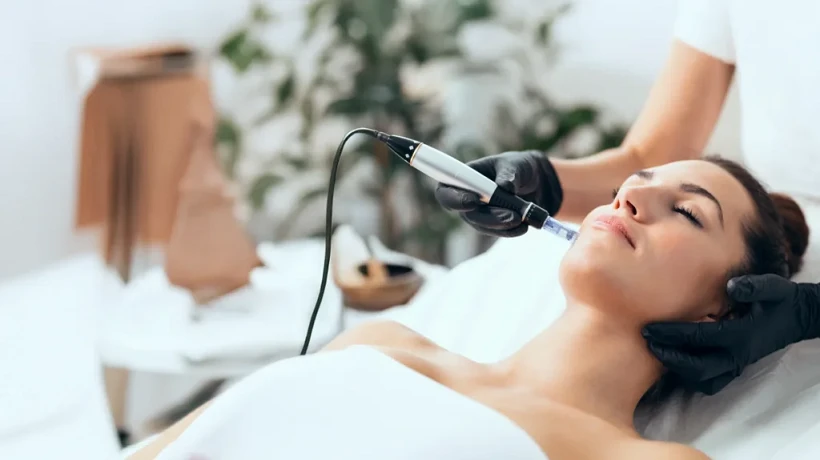
Discover what happens during a Dermapen Treatment session, including skin preparation, microneedling, aftercare, recovery, expected results, and safety tips.
A Dermapen Treatment session typically involves a skin assessment, preparation of the treatment area, controlled microneedling, and post-treatment care. This minimally invasive cosmetic procedure uses fine needles to create tiny, controlled punctures in the skin, stimulating its natural repair process and supporting collagen production. People interested in علاج ديرمابن في دبي can consult a qualified skincare professional to understand how the treatment works, whether it suits their skin concerns, and what results they may realistically expect. The exact process depends on the individual's skin condition, treatment goals, and the practitioner's assessment.
What Happens During the Initial Skin Assessment?
A Dermapen Treatment session usually begins with a consultation and examination of the skin. The practitioner reviews the patient's concerns, such as uneven texture, acne scars, enlarged-looking pores, or fine lines. They may also ask about medical history, current skincare products, medications, allergies, and previous cosmetic procedures.
This assessment helps determine whether microneedling is appropriate. Active skin infections, open wounds, inflamed acne, or certain skin conditions may require treatment to be postponed or avoided. People with a history of abnormal scarring or pigmentation changes should discuss these concerns before proceeding.
The practitioner also explains the expected benefits, possible side effects, number of sessions that may be needed, and the importance of aftercare. Results vary, and one session may not be sufficient to address every skin concern.
How Is the Skin Prepared Before Treatment?
Before microneedling begins, the practitioner cleanses the skin to remove makeup, oil, and surface impurities. An appropriate antiseptic may be used to help reduce the risk of infection.
Depending on the treatment area and individual sensitivity, a topical numbing cream may be applied to make the procedure more comfortable. If used, it needs sufficient time to take effect and should be removed according to the practitioner's instructions.
The practitioner then selects an appropriate treatment approach based on the skin's condition and the intended outcome. Proper hygiene, sterile equipment, and appropriate technique are essential because microneedling temporarily disrupts the skin's protective barrier.
What Happens During the Dermapen Microneedling Process?
Once the skin is prepared, the practitioner moves the Dermapen device across the selected area using a controlled technique. The device contains fine needles that create small, deliberate punctures in the skin. These micro-injuries activate the body's natural wound-healing response and may support collagen and elastin remodeling over time.
The practitioner adjusts the treatment approach according to the area being treated, skin characteristics, and clinical goals. Different areas may require different settings, so the procedure should be performed by a trained professional rather than attempted at home.
During the session, patients may experience mild pressure, scratching sensations, or discomfort, although numbing cream can help reduce sensitivity. Temporary pinpoint bleeding may occur, depending on the treatment intensity.
The duration varies with the size of the area and the treatment plan. A facial session may take approximately 30 to 60 minutes, including preparation, but the exact time can differ between patients and clinics.
What Happens Immediately After the Session?
After microneedling, the practitioner assesses the treated skin and may apply a suitable soothing product or post-treatment preparation. The skin can look red and feel warm, similar to a mild sunburn. Temporary tenderness, tightness, swelling, or sensitivity may also occur.
These effects often improve over the next few days, although recovery depends on the treatment intensity and the individual's skin response. The practitioner provides instructions about cleansing, moisturizing, sun protection, and which skincare ingredients or activities to avoid temporarily.
Patients should avoid touching the treated area with unwashed hands, picking at the skin, or using harsh exfoliants until the skin has recovered. Makeup and active skincare products should only be resumed according to professional guidance.
How Should Patients Care for Their Skin After Dermapen Treatment?
Aftercare supports recovery and helps reduce the chance of irritation or complications. Patients should follow the specific instructions provided by their practitioner, as recommendations can vary depending on the treatment depth and skin condition.
Common aftercare measures include:
-
Use gentle skincare: Choose mild cleansing and moisturizing products recommended for post-treatment skin.
-
Protect against sunlight: Use appropriate sun protection and limit direct sun exposure while the skin is sensitive.
-
Avoid irritating ingredients: Temporarily avoid retinoids, exfoliating acids, and other potentially irritating products until advised that they can be resumed.
-
Keep the skin clean: Avoid unnecessary touching and follow hygiene instructions carefully.
-
Follow activity guidance: Ask the practitioner when it is appropriate to resume strenuous exercise, swimming, or other activities that may irritate the skin.
Increasing pain, worsening redness, significant swelling, pus, fever, or unusual skin changes should be assessed by a healthcare professional. Prompt evaluation is important if symptoms worsen rather than gradually improve.
When Can Patients Expect to See Results?
Some patients notice an initial improvement in skin appearance as the skin recovers, but collagen remodeling takes time. Changes in texture, the appearance of certain acne scars, and fine lines may develop gradually over several weeks or longer.
The outcome depends on the skin concern, treatment plan, number of sessions, and individual healing response. Several sessions spaced appropriately apart may be recommended for selected concerns. However, Dermapen Treatment cannot guarantee complete scar removal or a specific cosmetic result.
A practitioner can assess progress during follow-up appointments and determine whether further sessions are appropriate. Patients should allow enough time for recovery between treatments rather than seeking overly frequent sessions.
Frequently Asked Questions:
Is Dermapen Treatment painful?
Discomfort varies from person to person. A topical numbing cream may be used to reduce sensitivity, although some pressure or mild discomfort can remain during treatment.
How long does a Dermapen session take?
A facial session may take approximately 30 to 60 minutes, including preparation. The duration depends on the treatment area and the individual plan.
Is redness normal after microneedling?
Yes. Temporary redness, warmth, and mild swelling are common. These effects generally settle over several days, but worsening or persistent symptoms should be assessed.
Can patients return to normal activities after treatment?
Many people can resume ordinary activities relatively soon, but their skin may remain sensitive for a short period. The practitioner should advise when to resume makeup, exercise, and active skincare products.
How many Dermapen sessions are needed?
The number depends on the skin concern and the individual's response. Some concerns may require a course of treatments, while others may respond differently. A qualified professional can recommend an appropriate schedule.
Conclusion:
A Dermapen Treatment session generally includes a skin assessment, cleansing, preparation, controlled microneedling, and aftercare guidance. The procedure stimulates the skin's natural repair process and may gradually improve selected concerns, including uneven texture and certain acne scars. However, results vary, and temporary irritation or other complications are possible. Choosing a qualified practitioner, following personalized aftercare instructions, and allowing adequate recovery time are important steps toward a safer treatment experience.

Comments
Login to Comment