More Than a Makeover: How Full Service Pet Grooming Supports Pet Wellness
23 Oct, 2026
16 Views 0 Like(s)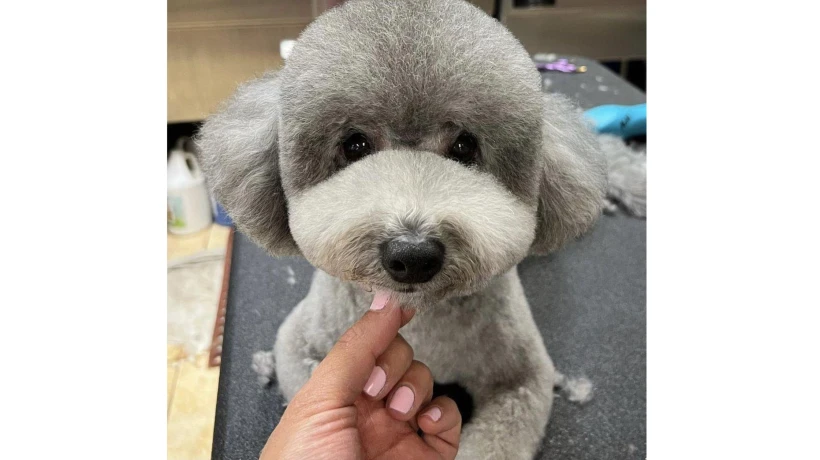
Full Service Pet Grooming
What if a grooming visit could do more than make your pet look cute? Clean fur, short nails, and a tidy coat can help your furry friend feel more comfortable. Full service pet grooming includes care such as bathing, brushing, nail trimming, and coat cleaning.
These services help remove dirt, reduce tangles, and keep pets neat. Grooming can also help owners spot changes in the skin, fur, or paws. While it cannot replace a visit to the vet, regular grooming is an important part of keeping pets clean, comfortable, and happy.
Why Pet Grooming Matters Beyond Appearance?
A shiny coat and a fresh smell are nice, but grooming does much more than improve your pet’s looks. Dirt, loose hair, and knots can build up over time, especially in pets with long or thick fur.
If knots are not brushed out, they can turn into tight mats. These mats may pull on the skin and cause pain. Regular brushing helps remove loose hair and keeps the coat easier to manage.
Grooming also helps owners check their pets for changes. You may notice red skin, small bumps, or sore spots while brushing. These signs do not always mean something serious, but a vet should check any unusual or lasting changes.
Every pet has different grooming needs. A long-haired dog may need brushing several times a week, while a short-haired dog may need less care. Age, activity, and health can also affect how often a pet needs grooming.
Five Wellness Benefits of Regular Grooming
A good grooming routine helps pets stay clean and comfortable in several ways.
-
Healthier fur: Brushing removes loose hair and helps stop small knots from becoming thick mats.
-
Better cleanliness: Bathing when needed helps wash away dirt and unpleasant smells.
-
Comfortable paws: Trimming long nails can make walking easier and help prevent nail problems.
-
Early signs of trouble: Grooming gives owners a chance to notice redness, bumps, scabs, or missing patches of fur.
-
Less pain from tangles: Regular brushing helps stop tight knots from pulling on the skin.
These benefits depend on using the right tools and methods. Bathing too often, brushing too roughly, or cutting nails too short can hurt your pet. Gentle care and a routine that suits your pet are always important.
What Does a Full-Service Grooming Appointment Include?
A full-service grooming visit brings several care tasks together in one appointment. Each grooming shop may offer different services, so ask what is included before making a booking.
-
Bathing and Coat Care
A pet-safe shampoo helps remove dirt from the fur. After the bath, the coat is dried carefully and brushed to remove loose hair and small knots.
Pets with sensitive skin may need special products. If your pet often has itchy or sore skin, ask your vet which products are safe to use.
-
Nail Trimming and Paw Care
Long nails can make walking uncomfortable. A groomer can trim them carefully and check the paws for visible dirt, damaged nails, or signs of irritation.
Nails should not be cut too short because this can cause pain and bleeding. If your pet has damaged nails or sore paws, seek advice from a vet.
-
Ear and Face Cleaning
Some grooming visits include gentle cleaning around the eyes and ears. However, not every pet needs the same type of ear care.
Redness, bad smells, unusual discharge, or repeated head shaking may be signs of an ear problem. A vet should check these signs instead of treating them as normal dirt.
-
Haircuts and Styling
A haircut can help keep fur neat and easier to brush. Trimming hair away from the eyes may also help some pets see more clearly.
The best haircut depends on your pet’s coat and daily activities. A cute style should never be more important than your pet’s comfort and safety.
How to Choose a Grooming Service You Can Trust?
Choosing a good groomer is important because some pets feel scared around new people, strange sounds, and grooming tools. A patient groomer will help your pet feel safer.
Before booking an appointment, ask these questions:
-
Has the groomer worked with your pet’s breed and coat type before?
-
Are the tools cleaned between appointments?
-
Does the groomer explain the services and prices clearly?
-
How are nervous, older, or sensitive pets treated?
-
Will the groomer suggest a vet visit if they notice a possible health problem?
Good grooming for dogs should focus on cleanliness, comfort, and safety, not just appearance. Choose a groomer who listens to your concerns and explains what will happen during the visit.
If your dog feels nervous, ask whether the groomer can offer shorter sessions or help your pet get used to the tools slowly. Never force a scared dog to continue if they are very upset.
Simple Ways to Care for Your Pet at Home
Professional grooming works best when you also care for your pet at home. Brush the coat with a suitable brush, check the nails, and look for changes in the skin or fur.
Introduce brushes and other grooming tools slowly, especially if your pet is young or nervous. Give praise or small treats when your pet stays calm. Keep each session short and gentle.
Never try to cut a tight mat close to the skin with scissors. You could accidentally injure your pet. If the mat is difficult to remove, ask a trained groomer for help.
Watch for signs such as constant scratching, sore skin, or sudden hair loss. If you notice these problems, contact your vet. Regular care helps you understand what is normal for your pet and notice when something changes.
Make Grooming Part of Everyday Wellness
Grooming is about much more than making your pet look cute. It helps keep the coat clean, reduce tangles, and make walking more comfortable. Full service pet grooming can also help owners notice changes that may need attention.
Choose a trusted groomer, brush your pet gently at home, and visit the vet when needed. Every pet has different needs, so make comfort your main goal. With regular care, your furry friend can feel clean, safe, comfortable, and loved every day.
Frequently Asked Questions
1. How often should pets receive full-service grooming?
It depends on the pet’s coat, breed, and needs. Long-haired pets may need more frequent grooming, while short-haired pets often need fewer visits.
2. Can grooming help spot health problems?
Yes, grooming may reveal red skin, bumps, sores, or hair loss. A vet should check unusual changes to find out what is causing them.
3. Does every dog need a haircut?
No. Some dogs need regular haircuts, while others mainly need brushing, bathing, and nail care. The right routine depends on the dog’s coat.
4. Is grooming safe for nervous pets?
Grooming can be safer and easier when the groomer is patient and gentle. Ask about breaks or short visits if your pet feels scared.
5. Can grooming replace visits to the vet?
No. Grooming helps keep pets clean and comfortable, but it cannot treat illnesses. Pets still need regular vet checkups and medical care when necessary.



Comments
Login to Comment