What Causes Gum Recession and How Can It Be Treated?
03 Nov, 2026
8 Views 0 Like(s)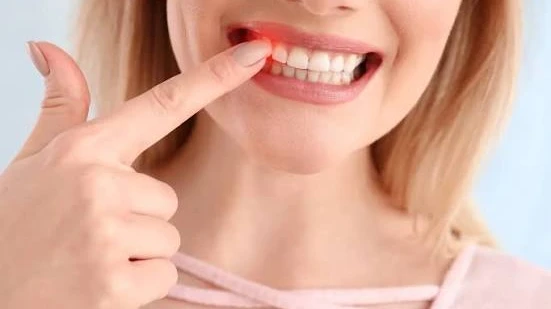
Gum recession treatment can be an effective way to manage sensitive teeth, protect exposed roots, and support healthier gums.
Tooth sensitivity can turn simple everyday activities, such as drinking cold water, enjoying hot coffee, or eating something sweet, into uncomfortable experiences. One common reason behind this problem is gum recession, a condition in which the gum tissue gradually pulls away from the teeth and exposes their sensitive roots. Fortunately, Gum Recession treatment in dubai can help address the underlying cause of sensitivity, protect exposed tooth surfaces, and improve overall gum health. Understanding how these treatments work can help patients make informed decisions about protecting their smiles and finding lasting relief.
What Is Gum Recession and Why Does It Cause Sensitivity?
Gum recession occurs when the gum tissue surrounding a tooth moves downward or wears away, exposing the root surface. Unlike the visible crown, tooth roots do not have the same protective enamel covering. Instead, they are covered by a softer material called cementum.
When this protective layer becomes exposed, external triggers can reach the underlying dentin and stimulate the nerves inside the tooth.
Common Causes of Gum Recession
Several factors can contribute to receding gums, including:
- Aggressive brushing: Applying excessive pressure or using a hard-bristled toothbrush can gradually damage gum tissue.
- Gum disease: Bacterial infections can destroy the tissues and bone supporting the teeth.
- Poor oral hygiene: Plaque buildup may cause inflammation and contribute to gum deterioration.
- Teeth grinding: Excessive pressure on teeth may contribute to gum and supporting tissue problems.
- Genetics: Some individuals naturally have thinner gum tissue and may be more susceptible to recession.
Identifying the underlying cause is essential because effective treatment should address both gum recession and the factors contributing to it.
Is Gum Recession Treatment Effective for Sensitive Teeth?
Yes, gum recession treatment can be effective in reducing tooth sensitivity, particularly when discomfort results from exposed roots. The most appropriate treatment depends on the severity of recession, the condition of the surrounding gums, and the patient's dental health.
Some treatments cover exposed root surfaces, while others strengthen vulnerable areas or address underlying gum disease.
1. Gum Grafting Procedures
Gum grafting is a commonly used treatment for significant gum recession. During this procedure, tissue is placed over the exposed root to increase gum coverage and improve protection.
The tissue may come from the roof of the mouth or another suitable source. Once healing takes place, the graft can help protect exposed roots, reduce sensitivity, and improve the appearance of the gumline.
2. Desensitizing Treatments
For mild sensitivity, dentists may recommend desensitizing products or professional fluoride applications.
These treatments help reduce the movement of fluid through tiny channels in the exposed dentin, making the teeth less responsive to temperature changes and other triggers.
3. Treatment for Gum Disease
If gum recession is associated with periodontal disease, controlling the infection becomes an important priority.
Professional cleaning, scaling, and root planing may help remove plaque and hardened deposits from below the gumline. This reduces inflammation and helps create healthier conditions for the supporting tissues.
What Are the Benefits of Treating Gum Recession?
Treating receding gums offers benefits beyond simply reducing discomfort. It can also help preserve the natural teeth and improve long-term oral health.
Reduced Tooth Sensitivity
Covering exposed roots or using appropriate desensitizing treatments can make eating and drinking more comfortable. Patients may experience less discomfort when consuming hot, cold, sweet, or acidic foods.
Improved Gum Appearance
Receding gums can make teeth appear longer and create an uneven gumline. Certain procedures, particularly gum grafting, can improve tissue coverage and create a more balanced appearance.
Better Protection for Tooth Roots
Exposed roots are more vulnerable to root cavities, wear, and sensitivity. Appropriate treatment helps protect these vulnerable surfaces and reduces the risk of additional complications.
Improved Oral Health
Addressing gum recession and its underlying causes supports healthier gums and makes maintaining an effective oral hygiene routine easier.
How Can You Prevent Gum Recession From Getting Worse?
Although existing gum recession does not always reverse naturally, several daily habits can help prevent further damage.
Follow a Gentle Brushing Routine
Use a soft-bristled toothbrush and gentle circular movements. Avoid scrubbing aggressively, as excessive pressure can contribute to gum damage.
Maintain Consistent Oral Hygiene
Brush twice daily with fluoride toothpaste and clean between your teeth using dental floss or suitable interdental brushes. These habits help control plaque and reduce the risk of gum inflammation.
Avoid Tobacco Products
Smoking and other tobacco products can negatively affect gum health and interfere with the body's healing process.
Visit Your Dentist Regularly
Routine dental examinations allow professionals to identify early signs of gum recession, monitor changes, and recommend suitable preventive measures.
When Should You Consider Professional Gum Recession Treatment?
Occasional sensitivity does not necessarily indicate serious gum problems. However, persistent discomfort should not be ignored, especially when accompanied by visible changes in the gumline.
Consider arranging a dental examination if you notice:
- Teeth appearing longer than before.
- Increasing sensitivity to hot or cold foods.
- Visible tooth roots near the gumline.
- Bleeding or swollen gums.
- Discomfort when brushing or eating.
- Changes in the appearance of your smile.
A dentist can examine your gums, assess the amount of recession, and determine whether non-surgical care or a surgical procedure is appropriate.
Conclusion
Gum recession treatment can be an effective way to manage sensitive teeth, protect exposed roots, and support healthier gums. Whether the solution involves desensitizing applications, periodontal treatment, or gum grafting, choosing the right approach depends on the cause and severity of the condition. Early attention is particularly important because untreated recession may continue to expose vulnerable tooth surfaces. By combining professional dental care with gentle brushing, consistent oral hygiene, and regular checkups, patients can protect their natural teeth and enjoy greater comfort when eating, drinking, and smiling.


Comments
Login to Comment