The quiet warning signs of blood cancer people often ignore
18 May, 2026
1672 Views 0 Like(s)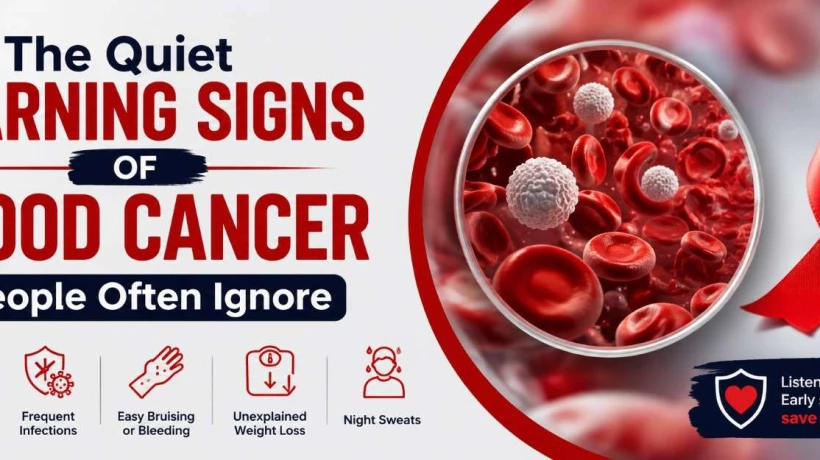
The quiet warning signs of blood cancer people often ignore
Blood cancer is often called a “silent disease” because many of its early symptoms appear mild, common, or easy to dismiss. People may blame tiredness on stress, bruises on minor injuries, or recurring infections on seasonal changes. But sometimes, these subtle health changes can point toward something much more serious.
Blood cancer affects the production and function of blood cells. The three main types are leukemia, lymphoma, and myeloma. These cancers usually begin in the bone marrow or lymphatic system and can interfere with the body’s ability to fight infections, carry oxygen, and control bleeding.
One of the most commonly ignored warning signs is constant fatigue. Everyone feels tired occasionally, but blood cancer-related fatigue is different. It does not improve with proper rest or sleep. A person may feel exhausted even after doing simple daily tasks like climbing stairs or walking short distances. This often happens because the body is not producing enough healthy red blood cells, leading to anemia.
Frequent infections are another quiet signal. If someone keeps getting colds, fevers, throat infections, or illnesses that take longer than usual to heal, it may indicate that the immune system is weakened. Blood cancers can reduce the number of healthy white blood cells, making it harder for the body to fight germs effectively.
Unexplained bruising or bleeding should also never be ignored. Some people notice bruises appearing without injury or experience bleeding gums, nosebleeds, or heavy menstrual bleeding. Tiny red or purple spots under the skin, known as petechiae, may also appear. These symptoms can happen when platelet levels drop, affecting blood clotting.
Sudden weight loss is another concerning sign. Losing weight without changes in diet or exercise can be a red flag. Cancer cells often consume the body’s energy rapidly, which can lead to noticeable weight reduction over a short period.
Night sweats are commonly associated with infections, but persistent and excessive sweating during sleep can also be linked to blood cancers, especially lymphoma. Some people wake up with drenched clothes or bedsheets repeatedly without any obvious reason.
Swollen lymph nodes are also important to watch for. Lymph nodes are located in areas such as the neck, armpits, and groin. If these glands become enlarged, painless, and remain swollen for weeks, medical evaluation is necessary. Many people ignore them because they are not painful, but persistent swelling can sometimes signal lymphoma or leukemia.
Bone and joint pain can also develop quietly. Blood cancers affecting the bone marrow may create pressure inside bones, causing aching discomfort in the back, hips, or legs. This pain may initially feel like ordinary muscle soreness or fatigue.
Another overlooked symptom is shortness of breath. People may feel breathless during activities that were once easy. Climbing stairs, carrying groceries, or even talking for long periods may suddenly feel difficult. This can happen due to low red blood cell counts and reduced oxygen delivery throughout the body.
Persistent fever is another warning sign. Mild but recurring fever without a clear infection may indicate the body is responding to abnormal blood cells. Some individuals also experience chills or general flu-like feelings that keep returning.
Itchy skin or unexplained rashes may also appear in certain blood cancers. The itching can become severe, especially at night, and may not respond to regular skin treatments. While skin irritation has many harmless causes, persistent itching combined with other symptoms deserves attention.
The biggest problem with blood cancer symptoms is that they often resemble common health issues. Stress, poor sleep, viral infections, aging, or nutritional deficiencies can produce similar signs. Because of this, many people delay seeing a doctor until the disease has progressed further.
However, having one or two of these symptoms does not automatically mean someone has cancer. The key is persistence and combination. If multiple symptoms continue for weeks or gradually worsen, medical advice should be sought promptly.
Doctors usually diagnose blood cancer through blood tests, imaging scans, and sometimes bone marrow examinations. Early detection can make a major difference in treatment success and survival rates. Modern treatments, including targeted therapy, immunotherapy, chemotherapy, and stem cell transplants, have improved outcomes significantly for many patients.
Listening to your body is important. Small changes that seem harmless can sometimes be early warning signals. Ignoring persistent fatigue, unusual bruising, recurring infections, or unexplained swelling may delay diagnosis and treatment.
Awareness does not mean panic, but it does encourage timely action. Paying attention to these quiet warning signs and seeking medical evaluation when symptoms persist could help detect blood cancer earlier, when treatment options are often more effective.



Comments
Login to Comment