Pure Banarasi Silk Sarees: A Complete Guide to India’s Timeless Weaving Heritage
18 May, 2026
1729 Views 0 Like(s)This video isn't available anymore or invalid URL
For those looking to explore authentic handwoven collections that celebrate traditional artistry with modern sophistication, brands like Chinaya Banaras continue to showcase the enduring beauty of Banarasi craftsmanship through thoughtfully curated saree collections.
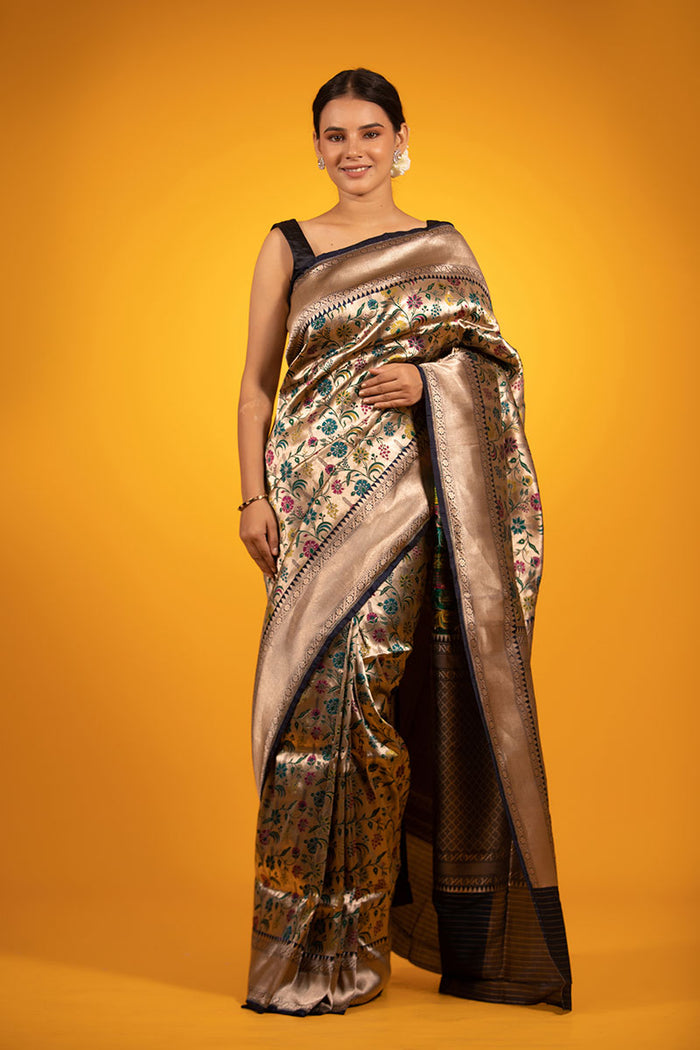
India’s textile legacy is deeply rooted in craftsmanship, tradition, and artistry, and few garments represent this heritage as beautifully as pure Banarasi silk sarees. Woven in the historic city of Varanasi, these sarees are admired for their luxurious texture, intricate zari work, and regal appeal. They are more than festive attire or wedding wear. They are heirloom pieces that carry centuries of weaving excellence.
Whether you are buying your first Banarasi saree or looking to understand the artistry behind authentic handwoven silk, this guide explains everything you need to know about pure Banarasi silk sarees, from their history and weaving process to identifying authenticity and styling them for modern occasions.
The Legacy of Banarasi Silk Sarees
Banarasi silk sarees originated in Varanasi, one of the oldest living cities in the world. The weaving tradition flourished during the Mughal era when Persian motifs and Indian craftsmanship merged to create richly detailed textiles. Over generations, Banarasi weavers perfected the art of silk weaving, introducing elaborate floral jaals, Mughal-inspired patterns, and fine zari work.
Today, Banarasi sarees remain one of the most celebrated forms of Indian handloom weaving. They are especially associated with weddings, festive celebrations, and cultural occasions because of their grandeur and elegance.
A pure Banarasi silk saree reflects not just luxury but also the patience and skill of artisans who spend weeks or even months crafting a single piece.
What Makes a Banarasi Saree “Pure”?
The term “pure” in Banarasi silk sarees refers to the authenticity of both the silk and the weaving process. Genuine Banarasi sarees are made using high-quality silk yarns and traditional weaving techniques on handlooms.
Here are the key elements that define a pure Banarasi silk saree:
Pure Silk Fabric
Authentic Banarasi sarees are woven using fine silk threads that create a smooth, rich texture with a natural sheen. Katan silk is one of the most popular forms used in premium Banarasi sarees because of its durability and luxurious finish.
Handwoven Craftsmanship
True Banarasi sarees are handwoven by skilled artisans rather than mass-produced by machines. Handloom weaving gives the saree intricate detailing and uniqueness that machine-made fabrics cannot replicate.
Intricate Zari Work
One of the defining features of Banarasi sarees is their zari weaving. Gold and silver zari threads are woven into the fabric to create elaborate motifs, borders, and pallu designs.
Traditional Motifs
Banarasi sarees often feature motifs inspired by Mughal art and Indian nature forms. Common designs include floral vines, paisleys, lotuses, kalgas, and intricate jaal patterns.
Types of Pure Banarasi Silk Sarees
Banarasi silk sarees are available in different weaving styles and silk varieties. Understanding these categories can help buyers choose the right saree for different occasions.
Katan Silk Banarasi Sarees
Katan silk sarees are woven using pure silk threads twisted together to create a durable and smooth fabric. These sarees are known for their luxurious drape and are highly preferred for weddings and formal celebrations.
Organza Banarasi Sarees
Also known as Kora silk sarees, these are lighter in texture and often feature delicate zari motifs. Organza Banarasi sarees are ideal for festive events and elegant evening functions.
Georgette Banarasi Sarees
These sarees combine traditional Banarasi weaving with lightweight georgette fabric, making them easier to carry while retaining the richness of Banarasi craftsmanship.
Tissue Banarasi Sarees
Tissue sarees have a glossy texture created by weaving silk with metallic zari threads. They are popular for their shimmering appearance and contemporary appeal.
How to Identify an Authentic Banarasi Silk Saree
With the growing popularity of Banarasi sarees, many machine-made imitations are available in the market. Here are some practical ways to identify an authentic pure Banarasi silk saree.
Check the Weave on the Reverse Side
Handwoven Banarasi sarees usually show floating threads and intricate detailing on the reverse side. Machine-made sarees often appear too perfect and uniform.
Look for the Silk Mark
Authentic silk sarees may carry a Silk Mark certification that verifies the purity of the silk used in the saree.
Observe the Zari Work
Real zari work has depth and richness. High-quality zari weaving will not appear flat or overly shiny like synthetic alternatives.
Feel the Fabric
Pure silk has a soft texture and natural warmth. It drapes gracefully and feels richer compared to artificial fabrics.
Why Pure Banarasi Sarees Remain Timeless
Fashion trends evolve constantly, but Banarasi silk sarees continue to remain relevant across generations. Their timeless appeal comes from their versatility, craftsmanship, and cultural significance.
A Banarasi saree can be styled traditionally with heirloom jewelry for weddings or paired with modern blouses for contemporary occasions. Younger generations are also embracing Banarasi weaves in fusion fashion, proving that handcrafted textiles never go out of style.
Beyond aesthetics, owning a Banarasi saree also supports India’s weaving communities and preserves centuries-old handloom traditions.
Styling Tips for Pure Banarasi Silk Sarees
Styling a Banarasi saree thoughtfully can elevate its elegance while balancing tradition with modern fashion sensibilities.
Choose Minimal Jewelry for Heavy Sarees
If the saree has elaborate zari work, opt for statement earrings or a single necklace instead of layering heavy jewelry.
Experiment with Contemporary Blouses
Structured blouses, high-neck cuts, sleeveless patterns, and embroidered jackets can give Banarasi sarees a modern edge.
Select the Right Draping Style
Classic draping works beautifully for weddings, while open pallu styles create a graceful look for receptions and festive gatherings.
Pay Attention to Footwear
Traditional juttis, embroidered heels, or elegant sandals complement the regal appeal of Banarasi silk sarees.
Caring for Your Banarasi Silk Saree
Proper care helps preserve the beauty and longevity of a pure silk saree.
-
Store sarees in a muslin cloth to protect the fabric
-
Avoid hanging heavy silk sarees for long periods
-
Keep them away from direct sunlight to prevent fading
-
Dry clean only to maintain the texture and zari work
-
Refold the saree occasionally to avoid permanent creases
With proper maintenance, a Banarasi silk saree can remain beautiful for decades and even become a treasured family heirloom.
Conclusion
Pure Banarasi silk sarees represent the richness of Indian textile heritage, combining artistic weaving traditions with timeless elegance. From luxurious Katan silk weaves to delicate organza patterns, every Banarasi saree reflects the skill and dedication of master artisans from Varanasi. Understanding the craftsmanship, fabric quality, and authenticity of these sarees helps buyers make informed choices while appreciating the cultural value behind each weave.
For those looking to explore authentic handwoven collections that celebrate traditional artistry with modern sophistication, brands like Chinaya Banaras continue to showcase the enduring beauty of Banarasi craftsmanship through thoughtfully curated saree collections.


Comments
Login to Comment