Root Canal Treatment: A Guide to the Procedure and Recovery
26 Oct, 2026
6 Views 0 Like(s)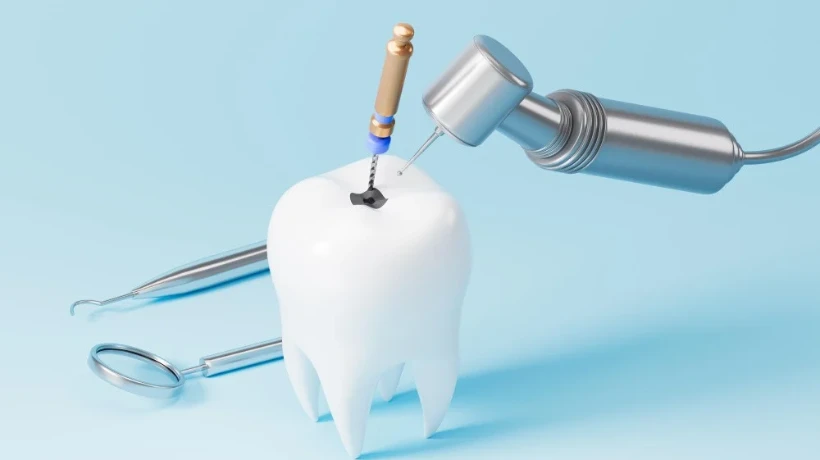
Root canal treatment can address this type of damage while allowing the natural tooth to remain in place.
A tooth that keeps hurting, reacts strongly to temperature, or feels uncomfortable when you bite may need more than a regular filling. In some cases, the problem has reached the tissue inside the tooth. Root canal treatment can address this type of damage while allowing the natural tooth to remain in place.
Why Can a Tooth Need a Root Canal?
The centre of a tooth contains a soft tissue called the pulp. It houses nerves and blood vessels and can become irritated or infected when bacteria reach it. This can happen because of extensive decay, a crack, an injury, or repeated dental work on the same tooth.
An infection does not always cause immediate or severe discomfort. Some teeth may develop a problem without obvious symptoms, which is one reason routine dental examinations remain important.
Symptoms to Watch For
Tooth problems can look different from person to person. You may need an evaluation if you notice:
-
Toothache that does not go away
-
Sharp discomfort when biting down
-
Prolonged sensitivity after consuming hot or cold foods and beverages
-
Swelling around the tooth
-
Sore or irritated gums
-
A change in the tooth’s colour
-
A small bump on the gums near the affected area
These signs do not automatically mean that a root canal is necessary. An examination and dental imaging can help determine what is happening beneath the surface.
What Happens During the Procedure?
Before treatment begins, the dentist examines the affected tooth to identify the source of the problem. Local anaesthesia is typically used to keep the area numb throughout the procedure.
The treatment involves creating an opening in the tooth so the damaged pulp can be reached and removed. The internal canals are then cleaned and shaped to remove bacteria and infected material. Once the area has been prepared, the canals are filled with a sealing material and the tooth is closed.
Depending on the condition of the tooth, a temporary filling may be used initially. A permanent restoration, often a crown, may later be recommended to provide additional protection.
Does the Procedure Hurt?
The idea of a root canal can make some people anxious, especially if they have heard stories about painful dental procedures. Modern techniques and local anaesthesia are used to keep patients comfortable during treatment.
You may experience some tenderness after the appointment as the tissues around the tooth recover. Following the aftercare instructions your dentist provides can help you manage temporary discomfort.
What Happens After Treatment?
Care for the treated tooth much like your other teeth. Continue brushing two times a day and cleaning between your teeth regularly. If a permanent crown or another restoration has been recommended, completing that step is important because it can help protect the tooth from damage.
For a short period after treatment, you may be advised to avoid chewing particularly hard foods with the treated tooth. Your dental provider can tell you when you can resume normal chewing.
Can a natural tooth be saved with root canal treatment?
One major purpose of root canal treatment is to deal with infection or damage inside a tooth while preserving the tooth itself. When the remaining tooth structure can be restored, treatment may help avoid extraction.
Keeping the natural tooth can support normal chewing and help maintain the existing arrangement of surrounding teeth. However, the best option depends on the extent of damage and the tooth's overall condition.
When Should You Make an Appointment?
Persistent dental pain, swelling, or unusual sensitivity deserves professional attention. Waiting for symptoms to disappear on their own can allow an underlying problem to progress.
During an examination, a dentist can assess the tooth, review any X-rays, and explain whether root canal treatment or another form of care is appropriate. Early evaluation can also make it easier to address dental problems before they become more extensive.

Comments
Login to Comment