Root Canal Therapy: What Patients Should Know
26 Oct, 2026
5 Views 0 Like(s)
Root canal therapy can help remove the source of infection while preserving the natural tooth.
When a tooth has extensive damage or an infection, routine dental treatments may not be sufficient to save it. Root canal therapy can help remove the source of infection while preserving the natural tooth. Understanding what the treatment involves, why it may be recommended, and what recovery looks like can make the process feel much less intimidating.
What Is Root Canal Treatment?
Inside every tooth is a soft area called the pulp, which contains nerves and blood vessels. Deep decay, cracks, repeated dental procedures, or an injury can allow bacteria to reach this area. Once the pulp becomes infected or inflamed, treatment may be needed to prevent the problem from spreading.
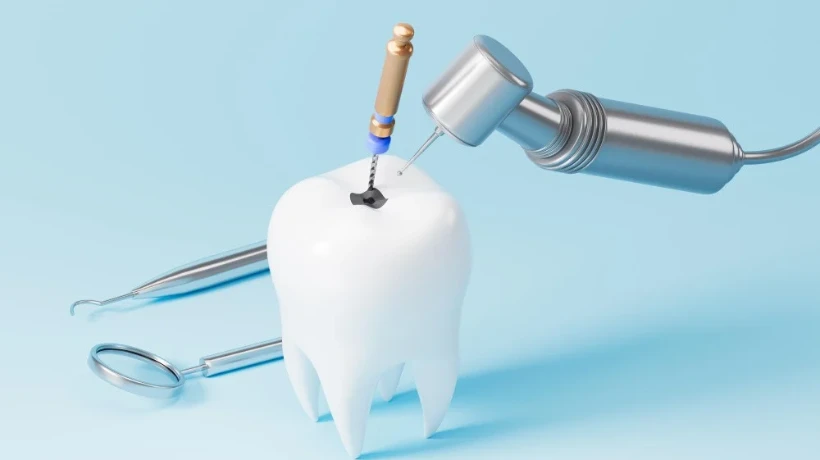
During treatment, the dentist carefully creates an opening in the tooth and removes the affected pulp. The inner space is then cleaned, disinfected, and sealed. A restoration, such as a crown, may be placed afterwards to protect the tooth from further damage.
Why Might You Need a Root Canal?
Not every toothache means that a root canal is necessary. However, certain symptoms can indicate that the inner part of a tooth needs attention. These may include:
-
Persistent tooth pain
-
Sensitivity to hot or cold that lingers
-
Pain while chewing or biting
-
Swelling around the affected tooth
-
Tender or swollen gums
-
A darkened or discoloured tooth
-
A recurring pimple on the gums
Some infected teeth cause little or no discomfort, so regular dental examinations remain important. Your dentist can evaluate the tooth and use dental X-rays when needed to determine what is happening below the surface.
What Happens During the Procedure?
The first step is to examine the affected tooth and identify the extent of the problem. Local anaesthesia is typically used to numb the area before treatment begins.
Once the tooth is numb, the dentist accesses the pulp chamber and removes the damaged tissue. The canals are shaped and thoroughly cleaned before being filled with a sealing material. The tooth is then closed to reduce the risk of bacteria entering again.
In some cases, the final restoration is completed during a later appointment. Your dentist will explain what type of restoration is appropriate based on the condition and location of the tooth.
Is Root Canal Treatment Painful?
Modern dental techniques are designed to make treatment as comfortable as possible. Because the area is numbed with local anaesthesia, most patients should not feel the procedure itself in the way they might expect.
Mild tenderness or sensitivity can occur after treatment, particularly when biting down. This generally improves as the tooth settles. Following the aftercare instructions your dental professional provides can support a smoother recovery.
How Can You Care for Your Tooth Afterwards?
After treatment, avoid putting unnecessary pressure on the tooth until your dentist confirms that it is ready for normal use. Brush your teeth twice daily and floss or clean between your teeth as part of your regular oral care routine.
If a crown or another restoration has been advised, completing that step is important. A treated tooth may need additional protection because removing the pulp can leave it more vulnerable to fracture.
When Should You See a Dentist?
Delaying care for an infected tooth can allow the condition to worsen. If you experience persistent dental pain, swelling, unusual sensitivity, or discomfort when chewing, schedule an examination rather than waiting for the symptoms to disappear.
A family dentist can assess your symptoms, explain the available treatment options, and help you understand what to expect before proceeding. Early evaluation may also make it easier to preserve the natural tooth.
Protecting Your Oral Health
Good daily oral hygiene, routine dental visits, and prompt attention to unusual symptoms can help protect your teeth over time. If a tooth develops significant damage or infection, root canal therapy may offer a way to address the problem while keeping the natural tooth in place.

Comments
Login to Comment