Can Dental Bonding Fix Chipped and Cracked Teeth?
26 Oct, 2026
13 Views 0 Like(s)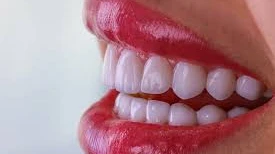
Dental bonding is often suitable for people with healthy teeth who want to correct minor cosmetic imperfections.
A beautiful smile can make you feel more confident, but small imperfections such as chipped teeth, uneven edges, gaps, or discoloration may sometimes make you hesitant to smile freely. Fortunately, modern cosmetic dentistry offers simple ways to improve the appearance of your teeth without extensive procedures. Dental Bonding in dubai is a popular cosmetic treatment that uses tooth-colored composite resin to repair minor imperfections and create a more balanced, natural-looking smile. The procedure is generally quick, minimally invasive, and suitable for people who want noticeable improvements without significantly altering their natural teeth.
What Is Dental Bonding?
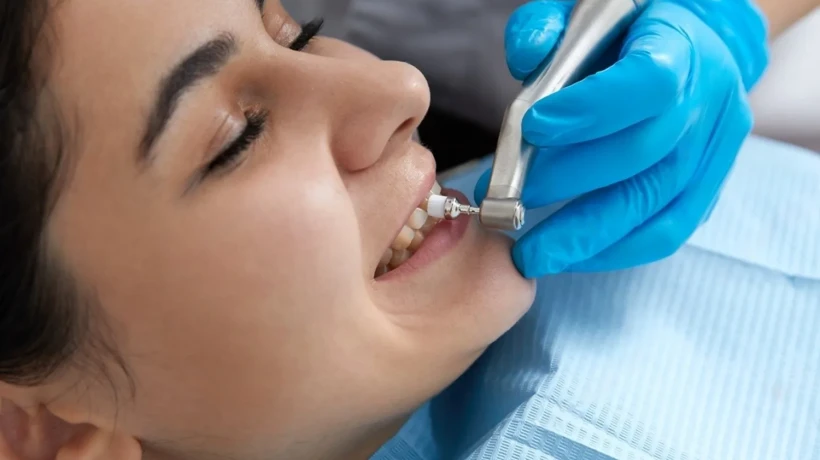
Dental bonding is a cosmetic dental procedure in which a dentist applies a tooth-colored composite resin to the surface of a tooth. The material is carefully shaped, hardened with a special curing light, and polished to blend with the surrounding teeth.
Unlike some other cosmetic treatments, dental bonding often requires little or no removal of natural tooth enamel. This makes it a conservative option for addressing minor dental imperfections while preserving as much of the original tooth structure as possible.
How Does the Bonding Procedure Work?
The procedure usually involves several straightforward steps:
-
Tooth preparation: The dentist examines the tooth and lightly prepares its surface to help the resin adhere securely.
-
Shade selection: A composite resin shade is selected to match the natural color of your teeth.
-
Resin application: The dentist applies the material and shapes it to correct the selected imperfection.
-
Light curing: A special light hardens the resin, helping it bond to the tooth.
-
Final polishing: The bonded area is smoothed and polished to achieve a natural appearance.
In many cases, treatment can be completed in a single appointment, depending on the number of teeth involved and the complexity of the corrections.
How Does Dental Bonding Improve Your Smile?
Dental bonding can address several cosmetic concerns that affect the appearance of your smile. Its versatility makes it a useful option for people seeking subtle yet noticeable improvements.
Repairing Chipped and Cracked Teeth
Minor chips can make otherwise healthy teeth appear uneven. Bonding allows the dentist to rebuild the missing portion with composite resin, restoring a smoother shape and more consistent appearance.
Although bonding can repair small chips, significant cracks or structural damage may require a different treatment.
Closing Small Gaps Between Teeth
Small spaces between teeth can sometimes affect smile symmetry. Dental bonding can add carefully shaped resin to the sides of selected teeth, making gaps less noticeable without orthodontic treatment in suitable cases.
However, larger gaps or spacing caused by bite problems may require orthodontic assessment.
Improving Tooth Shape and Size
Some people naturally have teeth with irregular edges, uneven lengths, or slightly unusual shapes. Bonding can refine these details, helping teeth look more proportionate and harmonious.
The dentist shapes the composite material to complement the surrounding teeth and your overall smile.
Covering Minor Discoloration
Certain stains may not respond well to traditional whitening treatments. Dental bonding can cover localized discoloration by placing tooth-colored resin over the affected area.
However, bonding does not whiten the entire tooth in the same way as professional teeth whitening. The best approach depends on the type and cause of the discoloration.
What Are the Main Benefits of Dental Bonding?
One of the biggest advantages of dental bonding is its simplicity. The treatment generally takes less time than many alternative cosmetic procedures and can deliver visible improvements with relatively little preparation.
Other potential benefits include:
-
Natural-looking results: The composite resin can be matched to the color of nearby teeth.
-
Conservative treatment: Minimal enamel removal is often necessary.
-
Quick improvement: Many cases can be completed during one visit.
-
Versatility: Bonding can address chips, small gaps, uneven edges, and selected discoloration.
-
Repairability: Minor damage to the bonding material can often be repaired by a dentist.
These benefits make bonding an appealing option for people who want to enhance their smiles without undergoing more extensive dental work.
How Long Does Dental Bonding Last?
Dental bonding can last several years, although its lifespan varies according to oral hygiene, eating habits, bite pressure, and the location of the bonded tooth. With proper care, many bonded restorations last approximately three to ten years before needing repair or replacement.
Tips for Maintaining Your Results
To protect your bonded teeth, follow these practical recommendations:
-
Brush twice daily with fluoride toothpaste.
-
Floss every day to maintain healthy gums.
-
Avoid biting hard objects such as ice, pens, or fingernails.
-
Limit habits that may stain the resin, including frequent tobacco use.
-
Attend regular dental checkups and professional cleanings.
-
Ask your dentist about a protective night guard if you grind your teeth.
Composite resin can stain or chip over time, so regular dental visits help identify problems early and maintain the appearance of your smile.
Is Dental Bonding Right for You?
Dental bonding is often suitable for people with healthy teeth who want to correct minor cosmetic imperfections. However, it may not be the best option for extensive damage, severe discoloration, large gaps, or teeth exposed to substantial biting pressure.
During a consultation, a dentist will examine your teeth, assess your bite, and discuss your expectations. Depending on your needs, alternatives such as veneers, crowns, orthodontic treatment, or professional whitening may provide more appropriate results.
It is also important to address untreated cavities and gum disease before proceeding with cosmetic treatment.
Conclusion
Dental bonding offers a practical way to improve your smile by repairing chips, refining tooth shapes, minimizing small gaps, and covering selected areas of discoloration. Its minimally invasive approach and relatively quick treatment process make it an attractive option for many people seeking cosmetic dental improvements. With suitable treatment planning and consistent oral care, bonding can help you achieve a more balanced and confident smile. Consulting a qualified dentist is the best way to determine whether dental bonding suits your teeth, oral health, and long-term smile goals.
Comments
Login to Comment