Rajasthan Wildlife Tour: A Complete Guide for First-Time Visitors
15 Sep, 2026
5 Views 0 Like(s)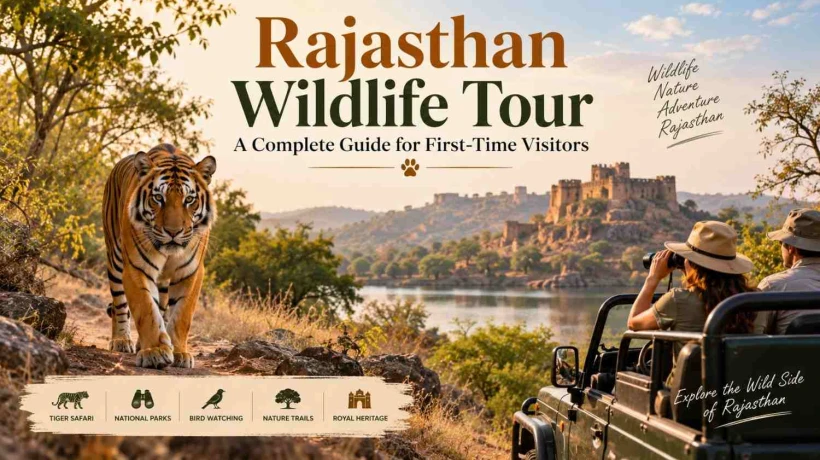
Rajasthan is famous for its grand forts, royal palaces, colorful markets and desert landscapes.
Rajasthan is famous for its grand forts, royal palaces, colorful markets and desert landscapes. But beyond its rich history and royal heritage, the state is also home to some of India’s most interesting wildlife destinations. From Bengal tigers and leopards to crocodiles, antelopes, birds and many other animals, Rajasthan offers exciting opportunities to explore nature.
A Rajasthan Wildlife Tour is a great choice for travelers who want to experience the state's natural beauty along with its famous cultural attractions. Whether you are visiting a national park for the first time or planning a dedicated safari holiday, Rajasthan has several destinations worth exploring.
Why Choose a Rajasthan Wildlife Tour?
Rajasthan offers a different kind of wildlife experience compared with many other parts of India. The landscape includes dry forests, grasslands, lakes, rocky hills and open countryside. These different habitats support a wide variety of animals and birds.
Wildlife safaris are also easy to combine with popular Rajasthan destinations. For example, travelers can combine Ranthambore with Jaipur and Agra, or visit Sariska while exploring the Alwar region.
A Rajasthan Wildlife Tour can therefore combine wildlife, history, culture and local experiences in one journey.
Best Wildlife Destinations in Rajasthan
Ranthambore National Park
Ranthambore is one of the best-known wildlife destinations in Rajasthan and is particularly famous for Bengal tiger sightings. The park has a mix of dry deciduous forests, open grasslands, lakes and rocky areas.
The historic Ranthambore Fort is located within the wider park landscape and adds a unique historical element to the safari experience.
During a safari, visitors may see tigers, leopards, sloth bears, sambar deer, spotted deer, wild boars, crocodiles and several species of birds.
Ranthambore is an excellent destination for first-time visitors because it can be included easily in a Golden Triangle itinerary covering Delhi, Agra and Jaipur.
Sariska Tiger Reserve
Located in the Alwar district, Sariska is another important wildlife destination in Rajasthan. The reserve is known for its tiger population and varied landscape of forests, hills and grasslands.
Apart from tigers, visitors may encounter leopards, striped hyenas, jackals, sambar, chital, nilgai and wild boars.
Sariska is also close to historical attractions such as Alwar Fort and the ancient temples of the region, making it suitable for travelers who want to combine wildlife with sightseeing.
Keoladeo National Park
Keoladeo National Park in Bharatpur is one of India's most important bird habitats. It is especially popular among birdwatchers and photographers.
The park attracts many resident and migratory birds. Depending on the season, visitors can see painted storks, pelicans, herons, egrets, kingfishers and many other species.
Unlike a traditional tiger safari, the experience here focuses mainly on birdwatching. Walking, cycling and guided visits can provide opportunities to explore the park at a relaxed pace.
Desert National Park
For something different, travelers can visit Desert National Park near Jaisalmer. The park represents the unique ecosystem of Rajasthan's Thar Desert.
The landscape includes sand dunes, rocky areas and open desert terrain. One of the major attractions is the great Indian bustard, a rare bird species that has become an important conservation symbol in India.
The park is particularly interesting for travelers who want to combine a desert holiday with wildlife and nature.
Best Time for a Rajasthan Wildlife Tour
The best time for most wildlife experiences in Rajasthan is during the cooler months, generally from October to March. The weather is more comfortable for safaris and sightseeing.
The winter months are also good for birdwatching, especially at Bharatpur, when migratory birds can be present.
For tiger safaris, the warmer months can sometimes offer better visibility because animals may spend more time around water sources and vegetation can be less dense. However, temperatures can be high, so travelers should plan accordingly.
Before booking, always check the current park opening dates, safari zones and seasonal regulations.
What to Expect on a Wildlife Safari
A wildlife safari is not the same as visiting a zoo. Animals move freely in their natural habitat, so sightings cannot be guaranteed.
A typical safari may take place in the early morning or afternoon. Visitors travel through designated safari routes in a permitted vehicle accompanied by a trained driver or guide.
Patience is an important part of the experience. You may spend time watching birds, deer or other animals before encountering a larger predator.
The excitement comes from not knowing exactly what you will see.
How to Prepare for Your First Safari
If this is your first wildlife trip, a little preparation can make the experience more comfortable.
Wear comfortable clothing suitable for outdoor conditions. Neutral or natural shades are generally practical for wildlife viewing. Carry sunglasses, sunscreen and a hat, particularly during warmer months.
Binoculars can be very useful, especially for birdwatching. A camera with a suitable zoom lens can also help photographers capture animals without disturbing them.
It is important to follow the instructions of your safari guide. Avoid loud conversations, do not feed animals and never try to leave the designated vehicle without permission.
How Many Days Do You Need?
The ideal duration depends on how many destinations you want to visit.
For a focused Ranthambore trip, two to three nights can provide time for multiple safari opportunities. Travelers who want to explore several wildlife destinations may need a week or more.
A longer Rajasthan Wildlife Tour can combine Ranthambore, Bharatpur, Sariska and other destinations with Jaipur, Jaisalmer, Jodhpur, Udaipur or Agra.
This allows travelers to enjoy wildlife without missing Rajasthan's famous cultural attractions.
Combining Wildlife With the Golden Triangle
One of the easiest ways to plan a wildlife holiday is by combining Ranthambore with India's Golden Triangle.
A possible itinerary can include Delhi, Agra, Ranthambore and Jaipur. Travelers can explore historical monuments such as the Taj Mahal and Amber Fort before heading into the wilderness.
This combination is particularly suitable for international visitors who want to experience both India's heritage and wildlife in one trip.
Wildlife Photography Tips
Rajasthan offers excellent opportunities for wildlife photography. Early morning light can create beautiful conditions for photography, while open landscapes may provide good visibility.
Use a zoom lens whenever possible and avoid sudden movements inside the safari vehicle. Keep your camera ready, because wildlife sightings can happen quickly.
For bird photography, binoculars can help identify distant birds before you decide where to photograph them.
Most importantly, focus on observing wildlife rather than trying to get the perfect photograph.
Important Tips for First-Time Visitors
Before booking your trip, keep these points in mind:
-
Book safaris in advance, especially during busy travel periods.
-
Carry valid identification documents required for safari bookings.
-
Follow park rules and your guide's instructions.
-
Carry drinking water and sun protection.
-
Avoid loud music and unnecessary noise.
-
Do not feed or attempt to approach wild animals.
-
Keep realistic expectations about animal sightings.
-
Allow enough time between safari and other sightseeing activities.
-
Check seasonal weather conditions before traveling.
-
Choose accommodation based on its location and access to the safari area.
Is Rajasthan Wildlife Tour Suitable for Families?
Yes, wildlife trips can be enjoyable for families, provided children understand basic safari rules.
Watching animals in their natural surroundings can be an educational experience for children. They can learn about forests, conservation and different species while enjoying an outdoor adventure.
Families should consider the safari timing and weather when planning their itinerary, particularly when traveling with younger children.
Final Thoughts
Rajasthan is much more than forts, palaces and deserts. Its national parks, tiger reserves, bird sanctuaries and desert ecosystems offer travelers another way to experience the state.
A Rajasthan Wildlife Tour gives visitors the opportunity to explore natural landscapes and observe wildlife in its natural habitat. Ranthambore is a major choice for tiger enthusiasts, Sariska offers another forest safari experience, Bharatpur is ideal for bird lovers, and Desert National Park provides a completely different desert ecosystem.
For first-time visitors, the best approach is to combine wildlife with Rajasthan's cultural attractions. With proper planning, comfortable accommodation and enough time for safaris, a Rajasthan Wildlife Tour can become one of the most memorable parts of an India holiday.


Comments
Login to Comment