Best Doctors in Dubai Discuss Sculptra Around Scarred Tissue
15 Sep, 2026
6 Views 0 Like(s)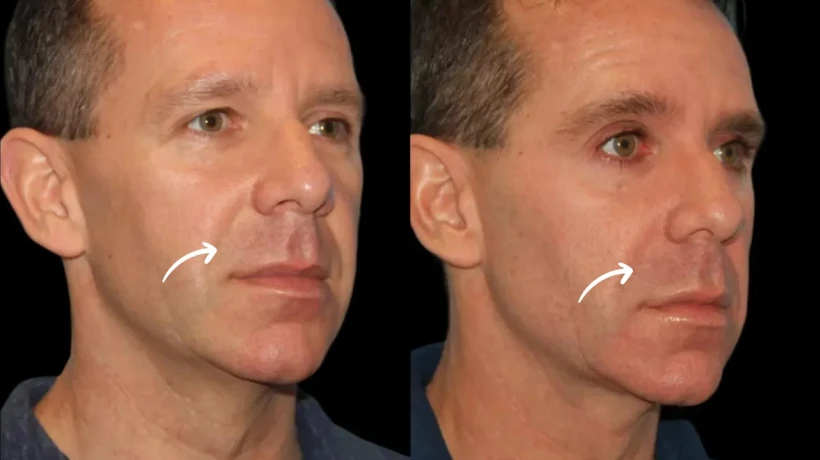
Best Doctors in Dubai discuss Sculptra around scarred tissue, exploring collagen support, treatment planning, realistic results, and personalized care.
Scarred tissue can create challenges when the surrounding skin has lost volume, developed uneven contours, or changed in texture after injury, surgery, acne, or other skin trauma. When patients consider collagen-stimulating treatments in areas affected by scars, careful assessment becomes especially important. The goal is not simply to add volume but to understand how the scar and surrounding tissues may respond to treatment.
Best Doctors in Dubai approach these situations by considering scar maturity, tissue quality, location, depth, skin elasticity, and the patient's overall aesthetic goals. Sculptra, a poly-L-lactic acid (PLLA) injectable, works differently from traditional hyaluronic acid fillers. Rather than producing its primary effect through immediate volume, it stimulates the body's collagen-production process gradually.
This distinction can be particularly relevant when treatment is being considered near areas with previous tissue damage. A thorough consultation can help determine whether Sculptra is appropriate, which areas should be treated, and whether the scar itself should be avoided or managed separately.
How Sculptra Doctors in Dubai Assess Scar-Affected Areas
Scar tissue develops as part of the body's natural healing response. Its structure can differ considerably from normal surrounding skin. Some scars may be soft and flat, while others can be firm, depressed, tethered, raised, or irregular.
Examples include:
- Surgical scars
- Post-traumatic scars
- Acne-related depressed scars
- Atrophic scars
- Hypertrophic scars
- Areas with previous inflammation or tissue injury
- Scars associated with changes in underlying soft-tissue volume
Because scar tissue does not always behave like healthy tissue, injection planning requires additional care. The appearance of a scar may also be influenced by the tissues underneath it. A depression, for example, might involve both a scar tethering effect and volume loss in the surrounding area.
This is why Sculptra Doctors in Dubai may evaluate the complete contour rather than focusing exclusively on the visible scar.
How Sculptra Works Around Areas With Scarring
Sculptra is commonly described as a collagen-stimulating injectable rather than a conventional immediate-volume filler. The treatment contains PLLA microparticles that are gradually processed by the body while encouraging collagen formation.
When used appropriately, the treatment may help improve:
- Gradual soft-tissue volume restoration
- Skin firmness
- Structural support
- Skin thickness and resilience
- Subtle contour irregularities
- Overall quality of the surrounding tissue
However, Sculptra should not automatically be considered a treatment for every type of scar. A scar can have different characteristics depending on its cause and maturity.
For example, an established depressed scar may involve tethering beneath the skin, while a raised scar may contain excessive scar tissue. These situations require different considerations. Injecting a collagen-stimulating product directly into a scar without appropriate assessment may not address the underlying problem.
Why Experienced Assessment Matters
Treatment around scarred tissue requires more than identifying a visible indentation. The practitioner needs to understand the anatomy underneath and around the scar.
Best Doctors in Dubai may assess factors such as:
- The age and maturity of the scar
- Scar thickness and texture
- Whether the scar is depressed or raised
- The mobility of the surrounding skin
- Existing soft-tissue volume
- Skin elasticity
- Previous procedures in the same region
- History of unusual reactions or healing problems
- The patient's desired degree of correction
This assessment helps establish whether Sculptra should be considered, postponed, modified, or avoided in a particular region.
A consultation may also reveal that the most appropriate approach is not to inject the scar itself. Instead, treatment may be considered in carefully selected surrounding tissue to improve overall contour, provided the anatomy and clinical circumstances make this appropriate.
Sculptra in Dubai for Surrounding Contour Support
People searching for sculptra in dubai may be interested in using collagen stimulation to address gradual volume changes. When scarred tissue is involved, expectations need to be especially realistic.
Sculptra does not erase scars. It also does not mechanically release scar tissue in the same way that a procedure specifically designed for scar tethering might. Its potential role is generally related to improving soft-tissue support and stimulating collagen in appropriately selected areas.
The treatment strategy therefore depends on the reason for the contour irregularity.
For example, if a healed surgical area has surrounding volume depletion, restoring support in suitable tissue may improve the overall transition between the scarred and non-scarred areas. Conversely, if the primary concern is a raised or actively changing scar, a different treatment pathway may be more suitable.
Sculptra Face Treatment Near Facial Scars
The face contains many structures that require precise anatomical planning. Scars on the cheeks, temples, chin, jawline, or other facial regions can sometimes be associated with contour changes.
When considering sculptra face treatment, the practitioner may examine both the scar and surrounding facial architecture.
For example, a depressed cheek scar may appear more noticeable because nearby tissue has lost volume. In such a situation, treating the broader contour rather than attempting to fill the scar directly may sometimes create a more balanced appearance.
Similarly, a facial scar can become more visible as natural facial volume changes with age. A treatment plan may therefore focus on restoring appropriate support in surrounding areas while respecting the scar itself.
Sculptra Cheeks and Scar-Related Contour Changes
The cheeks are particularly important for facial balance because they contribute to midface projection and transitions between different facial zones.
sculptra cheeks treatment may be considered when gradual collagen stimulation is appropriate for restoring subtle support. However, a cheek containing scarred tissue requires careful mapping.
The treatment plan may consider:
- The location of the scar
- The depth of any depression
- The surrounding cheek volume
- Facial symmetry
- Skin thickness
- The relationship between the cheek and lower face
The objective should be controlled improvement rather than excessive volume. Sculptra develops gradually, so patients should understand that the final effect does not appear immediately after an injection session.
Sculptra for Neck Areas With Previous Scarring
Neck tissue can be particularly delicate, and previous surgery or injury may alter its anatomy.
Patients researching sculptra for neck concerns should understand that treatment in this area requires individualized assessment. A scar may involve changes in skin mobility, underlying tissue planes, or local fibrosis.
Sculptra is not suitable for every neck scar or every patient. The treatment plan should account for the anatomy of the area and the reason for the visible irregularity.
When treatment is appropriate, the objective may be to support overall skin quality or selected surrounding tissue rather than attempting to directly inject an unsuitable scar.
Considering Sculptra for Body Scars and Contour Changes
Scarring can also occur on areas such as the abdomen, thighs, hips, arms, or buttocks. In these locations, patients may be concerned about a combination of scars, loose skin, volume differences, and contour irregularities.
Searches for sculptra for buttocks, sculptra buttock injections, buttocks sculptra, and sculptra filler for buttocks often reflect an interest in non-surgical body contouring. However, the presence of scarred tissue makes assessment even more important.
Body treatment should never be approached as though every indentation represents a simple lack of volume. A depression may result from scar tethering, fat distribution, skin laxity, or structural differences.
Where appropriate, collagen stimulation may be considered as part of a broader treatment strategy, but patients should understand that Sculptra is not a substitute for surgical scar revision or every other type of body-contouring procedure.
Sculptra for Hip Dips and Scarred Areas
Some patients also investigate sculptra for hip dips when they want a smoother transition between the hips and surrounding body contours. Hip dips can be a normal anatomical feature caused by skeletal structure and fat distribution.
If scars are present near the treatment region, the practitioner must distinguish between normal contour anatomy and a scar-related depression.
A personalized assessment can help determine whether collagen stimulation may contribute to a subtle improvement in selected areas. Expectations should remain realistic because Sculptra does not change bone structure or completely eliminate natural anatomical transitions.
Sculptra Fillers and Scar Tissue: What Patients Should Know
The term sculptra fillers is frequently used when discussing Sculptra, although its mechanism differs from conventional fillers that primarily provide immediate volume.
Patients considering sculptra injections around scarred tissue should understand several important points:
- Results develop progressively.
- Multiple treatment sessions may sometimes be recommended.
- The injection plan depends on anatomy and treatment goals.
- Scar tissue may require special consideration.
- Sculptra is not intended to directly correct every type of scar.
- Results vary between individuals.
- Proper aftercare and follow-up are important.
The gradual nature of Sculptra can appeal to patients seeking subtle changes rather than an immediately altered appearance.
Consultation With a Celebrity Clinic in Dubai
Choosing a Celebrity Clinic in Dubai should involve more than evaluating reputation or the appearance of previous treatment results. Patients with scarred tissue should prioritize detailed assessment and individualized planning.
During consultation, patients should be prepared to discuss:
- Previous surgeries or injuries
- How the scar developed
- Previous scar treatments
- Previous injectable treatments
- Current medications
- Allergies
- Previous unusual reactions
- Changes in the scar over time
- Desired aesthetic improvements
At Perfect Doctors Clinic, Dr Perfect Celebrity can assess the treatment area and determine whether Sculptra is appropriate for the individual's anatomy and goals.
The consultation should also distinguish between treating the scar itself and improving the surrounding contour. This distinction can help prevent unrealistic expectations.
The Role of a Celebrity Doctor In Dubai in Treatment Planning
Patients searching for a Celebrity Doctor In Dubai may be interested in highly personalized aesthetic care. For scar-associated treatment, personalization is particularly important because two scars in the same body region can have very different characteristics.
Dr Perfect Celebrity can consider the overall tissue structure rather than treating the visible indentation in isolation. A detailed assessment can help determine:
- Whether the scar is mature and stable.
- Whether the surrounding tissue has sufficient suitability for treatment.
- Which areas should be avoided.
- Whether Sculptra is appropriate.
- Whether another scar-focused treatment may be more suitable.
- How much improvement can reasonably be expected.
This approach emphasizes safety, proportion, and realistic outcomes.
Sculptra Dermal Filler Planning Around Previous Procedures
The phrase sculptra dermal filler is sometimes used to describe Sculptra in general discussions, but its collagen-stimulating mechanism makes treatment planning different from conventional dermal fillers.
Previous procedures can influence how the tissue responds to injections. Scar formation, fibrosis, altered anatomy, and previous injectable products can all affect the treatment plan.
Patients should therefore provide complete information about previous procedures, particularly when treatment is being considered near an old surgical or traumatic site.
In some situations, waiting until tissue has adequately healed may be important. Treatment timing should be determined individually rather than according to a universal schedule.
Understanding Sculptra Cost and Sculptra Price
Patients frequently search for sculptra cost or sculptra price before booking a consultation. However, treatment around scarred tissue may require a more individualized assessment than a standard treatment plan.
The overall cost can be influenced by:
- Number of treatment sessions
- Amount of product required
- Size of the treatment area
- Complexity of the anatomy
- Whether multiple areas are being treated
- Follow-up requirements
- The overall treatment strategy
Rather than choosing treatment based solely on the lowest quoted Sculptra cost, patients should consider the quality of consultation, suitability assessment, treatment planning, and follow-up.
Setting Realistic Expectations
One of the most important aspects of Sculptra treatment is understanding what it can and cannot do.
Sculptra may support gradual improvements in selected soft-tissue areas, but it is not a scar eraser. Established scars may have structural characteristics that require other forms of management.
Patients should also understand that collagen formation takes time. The treatment may initially produce temporary changes related to the injection process, while the longer-term effect develops gradually.
A realistic treatment plan should therefore focus on measurable and appropriate improvements rather than promising complete correction.
Aftercare and Follow-Up
Following Sculptra treatment, patients receive individualized aftercare instructions. Following those instructions carefully is important, especially when treatment has been performed near previously scarred tissue.
Patients should contact their healthcare provider if they experience unexpected or persistent symptoms.
Follow-up appointments may also help evaluate how the treated tissue is responding. Because Sculptra develops gradually, assessment over time can be more meaningful than judging the outcome immediately after treatment.
Who May Need Extra Caution?
Sculptra may not be appropriate for everyone. Individuals with certain active skin conditions, infections, unresolved inflammation, or specific medical circumstances may require postponement or alternative treatment.
Patients should disclose relevant medical information during consultation rather than assuming a treatment is automatically suitable.
Extra caution may also be appropriate when:
- A scar is still changing.
- The area remains inflamed or painful.
- There is an active infection.
- The tissue has recently undergone surgery.
- The anatomy has been significantly altered.
- There is a history of problematic reactions to injectables.
- The desired correction requires a treatment other than collagen stimulation.
Choosing the Right Treatment Strategy
The best approach to scar-associated volume concerns is not necessarily the most aggressive one. A thoughtful treatment plan may involve treating only selected areas, waiting for additional healing, using another scar-management approach, or deciding that Sculptra is not appropriate.
Best Doctors in Dubai can help patients understand these distinctions through individualized assessment.
The purpose of treatment should be to create an appropriate relationship between skin quality, volume, contour, and the patient's expectations.
Conclusion
Sculptra around scarred tissue requires careful planning because scarred skin and underlying tissue may respond differently from healthy tissue. Sculptra can stimulate collagen and may support gradual improvement in selected surrounding areas, but it should not be presented as a universal solution for scars.
A detailed consultation can determine whether the scar is mature, whether the surrounding tissue is suitable, and whether collagen stimulation can contribute meaningfully to the desired result. Treatment may focus on the surrounding contour rather than the scar itself, depending on the underlying anatomy.
For patients considering treatment, Perfect Doctors Clinic provides an individualized consultation approach with Dr Perfect Celebrity. Understanding the difference between scar treatment and volume or collagen support can help patients make informed decisions and develop realistic expectations for their aesthetic goals.
Frequently Asked Questions
Can Sculptra be injected directly into scar tissue?
Not every scar is appropriate for direct injection. Scar type, maturity, thickness, location, and underlying anatomy must be assessed first. In some situations, treatment may be considered around the scar rather than directly into it.
Can Sculptra improve the appearance of depressed scars?
Sculptra may potentially improve surrounding volume and soft-tissue support in selected cases, but it does not mechanically release scar tethering. A consultation is needed to determine the cause of the depression and the most appropriate treatment.
Is Sculptra suitable for scars after surgery?
It may be considered in selected situations after appropriate healing and assessment. The timing and suitability depend on the surgery, scar characteristics, tissue condition, and patient's individual circumstances.
Does Sculptra remove scars completely?
No. Sculptra is primarily a collagen-stimulating injectable and should not be described as a complete scar-removal treatment. Its potential role is generally related to improving selected soft-tissue volume, support, and skin quality.
Can Sculptra be used near facial scars?
It may be appropriate in selected cases, depending on the scar and surrounding anatomy. Facial treatment requires precise planning because important anatomical structures are located throughout the treatment area.
Can Sculptra be used around scars on the buttocks?
Potentially, but suitability depends on the location and characteristics of the scar, surrounding tissue, and desired contour change. Body contour concerns should be assessed individually rather than assuming that every depression is suitable for Sculptra.
How long does it take to see Sculptra results?
Sculptra produces gradual changes because its principal effect involves collagen stimulation. Improvement generally develops over time rather than appearing as a final result immediately after treatment.
Does Sculptra hurt when injected near a scar?
Injection discomfort varies among individuals and depends on the treatment area, tissue characteristics, and technique. Scarred tissue may have altered sensitivity, so the experience can differ from one patient to another.
How is the Sculptra price determined?
The sculptra price can depend on factors such as treatment area, amount of product required, number of sessions, and the complexity of the treatment plan. An individualized consultation provides a more meaningful estimate.
Should I choose Sculptra if my scar is still changing?
A changing scar may require further assessment before an injectable treatment is considered. Active inflammation, infection, recent surgery, or ongoing scar development may affect treatment timing and suitability.

Comments
Login to Comment