Q-Switched Laser for Tattoo Removal: How Does It Work?
29 Sep, 2026
10 Views 0 Like(s)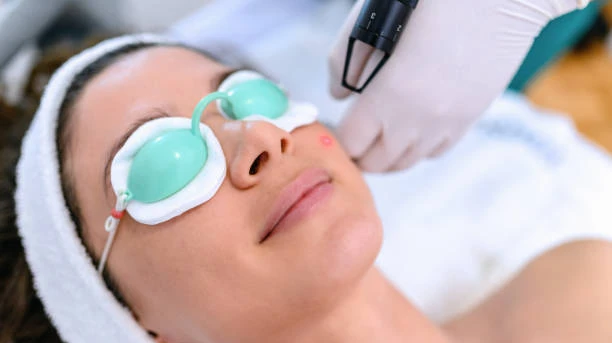
Q-switched Laser Treatment in Riyadh offers a targeted approach to pigmentation concerns. Discover how laser technology works and what to expect before, during, and after treatment.
Unwanted tattoos can become a source of frustration when personal preferences change, but modern laser technology offers a way to target tattoo ink more precisely. Q-switched Laser Treatment in Riyadh uses short, powerful pulses of laser energy to break tattoo pigments into much smaller particles, allowing the body to gradually clear them. Understanding how this process works can help patients know what to expect before considering tattoo removal.
Unlike older tattoo removal approaches, Q-Switched Laser Treatment in Riyadh is designed to selectively target pigment while limiting unnecessary exposure to the surrounding skin. The laser's rapid energy delivery creates a photothermal and photoacoustic effect that disrupts ink particles beneath the skin. Because tattoo ink can contain different colors and may be placed at varying depths, the number of sessions and response can differ from one tattoo to another.
How Does Q-Switched Laser Tattoo Removal Work?
Q-switched lasers are known for delivering extremely short pulses of concentrated energy. This rapid delivery is important because it allows the laser to target tattoo pigment without continuously heating the surrounding tissue.
Breaking Down Tattoo Pigment
When laser energy reaches the tattoo ink, it is absorbed by the pigment. The brief, high-energy pulse causes the ink particles to fragment into smaller pieces. These particles can then be gradually processed and removed by the body's natural immune and lymphatic systems.
Why Multiple Sessions May Be Needed
A tattoo is not usually removed in a single treatment because ink particles may be located at different depths and may respond differently to laser energy. After each session, the body needs time to clear the fragmented pigment. Additional treatments may therefore be scheduled at appropriate intervals to gradually improve the appearance of the tattoo.
Which Tattoo Colors Can Be Treated?
Tattoo ink is available in many colors, and different pigments absorb laser wavelengths differently. Darker pigments, particularly black and some blue shades, may respond well to specific Q-switched laser wavelengths. Other colors can require different wavelengths or treatment approaches.
Multicolored Tattoos
Multicolored tattoos may be more complex because each pigment can respond differently. A practitioner may assess the colors individually and select an appropriate laser setting or wavelength based on the tattoo's characteristics.
Professional Versus Amateur Tattoos
The type of tattoo can also affect the treatment process. Professional tattoos may contain larger or more concentrated amounts of pigment, while amateur tattoos can vary considerably in depth and ink distribution. These differences can influence the expected treatment timeline.
What Happens During a Q-Switched Laser Session?
Before treatment, the skin and tattoo are assessed to determine whether laser removal is appropriate. The area is cleaned, and protective measures are used to shield the eyes and surrounding skin when necessary.
During the procedure, the laser is directed over the tattoo. Patients may experience a snapping, stinging, or rubber-band-like sensation as the pulses reach the pigmented area. Treatment duration depends on the size, location, and complexity of the tattoo.
Afterward, the treated skin may appear temporarily red or swollen. Small changes in the treated area can occur as the skin responds to the laser and the body begins processing fragmented pigment.
What Factors Affect Tattoo Removal Results?
Tattoo removal does not produce identical results for everyone. Several factors can influence how effectively the ink responds.
Tattoo Size and Location
Larger tattoos naturally require more treatment time and may need a longer overall treatment plan. Tattoos on areas with different circulation and skin characteristics can also respond differently.
Ink Color and Depth
The color, concentration, and depth of the ink are important considerations. Deeply placed or highly concentrated pigment may require more sessions than lighter or more superficial pigment.
Skin Type and Individual Healing
Skin characteristics and the body's natural healing response can influence the treatment process. A professional assessment helps determine appropriate laser settings and aftercare recommendations.
What Is Recovery Like After Tattoo Removal?
Following Q-Switched Laser Treatment in Riyadh, temporary redness, swelling, tenderness, or sensitivity may occur around the treated tattoo. Some patients may also notice temporary changes in the appearance of the tattoo as the pigment begins to break down.
Keeping the area clean and following the recommended aftercare instructions can support the healing process. Patients should avoid unnecessary sun exposure and should not pick, scratch, or irritate the treated area. Proper sun protection is particularly important because recently treated skin can be more sensitive.
Is Q-Switched Laser Safe for Tattoo Removal?
When performed by a qualified professional using suitable settings, Q-switched laser technology can be used for tattoo pigment removal. However, laser treatment can have potential side effects, including temporary skin irritation and changes in pigmentation. In some cases, blistering or scarring can occur.
A detailed assessment is important before treatment, particularly for individuals with certain skin conditions, previous reactions to laser procedures, or tattoos containing unusual pigments. Professional evaluation can help determine whether the treatment is appropriate and how it should be performed.
What Should You Expect From the Treatment Process?
Tattoo fading generally happens gradually rather than immediately. After the laser breaks down the pigment, the body requires time to clear the fragmented particles. This means the tattoo may continue changing in appearance between sessions.
The treatment plan depends on factors such as tattoo age, color, size, location, ink density, and individual response. Following the recommended interval between treatments is important because the skin and immune system need adequate time to recover and process the fragmented pigment.
Book a Tattoo Removal Consultation
If you are considering laser tattoo removal, a professional assessment can help you understand the treatment approach suitable for your tattoo and skin. At Royal Clinic Saudia, patients can discuss their concerns and receive personalized guidance about Q-switched laser treatment and aftercare.
FAQs
Can Q-Switched Laser completely remove a tattoo?
Tattoo removal results vary. Some tattoos may fade significantly, while complete removal is not always possible. Factors such as ink color, depth, density, tattoo age, and individual response can affect the outcome.
Does Q-Switched Laser tattoo removal hurt?
Patients may feel brief snapping, stinging, or heat during laser pulses. The level of discomfort can vary depending on the tattoo's location, size, and individual sensitivity.
How many sessions are needed for tattoo removal?
The number of sessions varies for each tattoo. Larger, deeper, multicolored, or densely pigmented tattoos may require more treatments than smaller or lighter tattoos.
Can Q-Switched Laser remove tattoos from all skin types?
Q-switched laser treatment may be used across different skin types, but laser settings must be selected carefully. A professional skin and tattoo assessment is important to determine an appropriate approach.
Comments
Login to Comment