How Do Jeggings for Women Hold Their Shape After Repeated Wear and Washing?
29 Sep, 2026
10 Views 0 Like(s)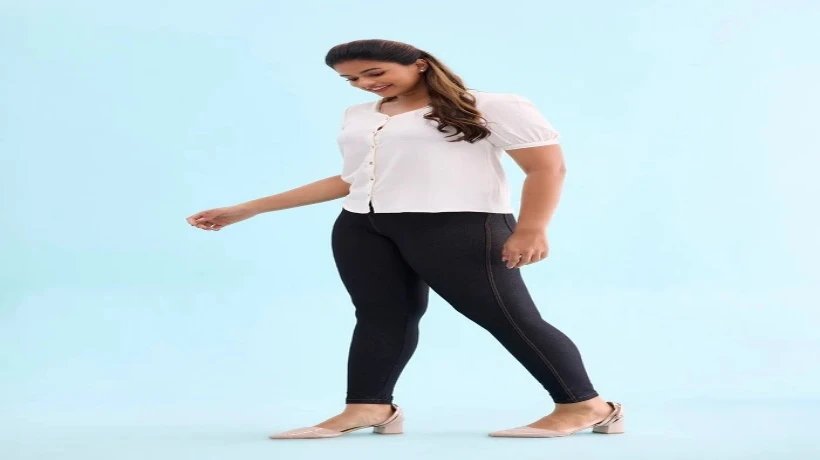
Jeggings are a popular wardrobe choice because they combine the close-fitting appearance of jeans with the flexibility of stretchable clothing. They are easy to pair with everyday tops, kurtis, shirts, and casual footwear, making them suitable for many occasions. However, one common question shoppers have is whether jeggings for women can maintain their original shape after repeated wear and washing.
Jeggings are a popular wardrobe choice because they combine the close-fitting appearance of jeans with the flexibility of stretchable clothing. They are easy to pair with everyday tops, kurtis, shirts, and casual footwear, making them suitable for many occasions. However, one common question shoppers have is whether jeggings for women can maintain their original shape after repeated wear and washing.
The answer depends on several factors, including fabric composition, stretch recovery, stitching, fit, and how the garment is cared for. Even a comfortable pair can gradually become loose, lose its shape, or develop wrinkles if the fabric and construction are not suitable for regular use. Understanding what helps jeggings retain their shape can make it easier to choose a pair that stays comfortable and looks neat over time.
1. Understanding Stretch and Shape Recovery
One of the main reasons jeggings feel different from traditional jeans is their stretchable fabric. They are often made using cotton, polyester, or other fibres blended with elastane or spandex. These stretch fibres allow the material to expand when you move and return towards its original dimensions afterward.
This ability to return to its original shape is known as shape recovery. When you sit, walk, bend, or stretch, the fabric experiences tension. Good-quality stretch fabric can recover well after this tension is removed, helping the jeggings maintain a consistent fit.
However, stretch and recovery are not exactly the same. A fabric may stretch easily but may not return to its original shape effectively. Over time, this can lead to looseness around the knees, hips, or waistband. When choosing jeggings, look for a fabric that offers both comfortable flexibility and reliable recovery.
2. How Fabric Composition Affects Shape Retention
The fibres used in jeggings play an important role in how well they maintain their fit. Different materials have different properties, and their performance also depends on the way they are knitted or woven and blended together.
-
Cotton: Cotton is valued for its soft, familiar feel and everyday comfort. However, cotton on its own has limited stretch recovery compared with fabrics containing elastane.
-
Elastane or spandex: These stretch fibres help the fabric expand and recover, supporting a closer fit and easier movement.
-
Polyester: Polyester is often used in blends to support durability and dimensional stability, depending on the fabric construction.
-
Blended fabrics: Combining fibres can balance softness, flexibility, strength, and recovery. The overall result depends on the proportions and quality of the materials.
When buying jeggings for women, check the fabric composition on the product label or online description. A blend that includes stretch fibres may be useful if you want flexibility, but the presence of elastane alone does not guarantee long-lasting shape retention. Fabric quality and garment construction matter just as much.

3. The Role of Fit in Preventing Shape Loss
The fit you choose can influence how your jeggings perform over time. If a pair is too tight, the fabric may remain under excessive tension around areas such as the thighs, hips, and knees. Repeated stretching can place additional stress on the fibres and seams.
On the other hand, jeggings that are too loose may not provide the close-fitting appearance you expect. They may also wrinkle or bunch in certain areas during movement.
A suitable fit should feel secure without being restrictive. You should be able to sit, walk, bend, and move comfortably without feeling excessive pulling around the seams or waistband. Checking the size chart and choosing a size based on your measurements can help reduce unnecessary strain on the fabric.
It is also worth remembering that jeggings may feel slightly different depending on their fabric composition and design. A comfortable fit at the time of purchase is an important part of maintaining their appearance during regular use.
4. Why Stitching and Construction Matter
Shape retention is not only about the fabric. The way jeggings are constructed can also affect how well they hold their shape after repeated wear.
Strong, even stitching helps the garment maintain its structure, especially around high-movement areas such as the crotch, inner thighs, waistband, and knees. Poorly finished seams may become stressed during regular movement and can affect the overall fit.
The waistband is another important feature. A well-constructed waistband should sit comfortably and remain in place without rolling, digging into the skin, or becoming loose too quickly. The placement and finishing of seams can also influence how smoothly the jeggings fit around the body.
Before buying, check product images and descriptions for details about the waistband, seams, and overall finish. If you are shopping in-store, inspect the stitching and gently stretch the fabric to get a sense of its flexibility and recovery.
5. How Repeated Wear Can Affect Jeggings
Even well-made clothing experiences some changes through regular use. When you wear jeggings for long periods, the fabric repeatedly stretches and relaxes as you move. Areas that experience more pressure or friction may show changes sooner than other parts of the garment.
For example, the fabric around the knees may stretch during sitting or bending. The waistband may experience repeated tension when you put the jeggings on and take them off. Friction around the inner thighs can also contribute to fabric wear over time.
These changes are influenced by how often the jeggings are worn, the activities performed in them, the fabric quality, and how well they fit. Rotating between a few pairs instead of wearing the same pair every day can give the fabric more time to recover between uses and may help reduce frequent wear on a single garment.
6. How Washing Habits Influence Shape Retention
Washing is another factor that can affect the fit and appearance of jeggings. Frequent washing, high temperatures, harsh detergents, and rough handling may place additional stress on fibres and stretch components.
To help maintain the original shape of your jeggings, follow the care instructions provided on the garment label. A few general practices can also be useful:
-
Use a suitable water temperature: Cold or cool water may be recommended for many stretch garments, but always follow the label.
-
Choose a gentle wash cycle: A gentler cycle can reduce excessive agitation and friction.
-
Avoid harsh treatment: Strong detergents or bleaching products may not be suitable for stretch fabrics.
-
Do not wring aggressively: Twisting the fabric forcefully can put unnecessary stress on fibres and seams.
-
Dry carefully: Follow the garment’s drying instructions and avoid high heat if it is not recommended.
-
Store them properly: Once completely dry, fold or hang your jeggings in a way that avoids unnecessary stretching or creasing.
These steps cannot prevent all fabric changes, but they can help reduce avoidable wear and support the garment’s appearance over time.
7. Does High Heat Make Jeggings Lose Their Shape?
High heat can affect certain fibres, including the elastic components used in stretch fabrics. Depending on the material and the garment’s construction, excessive heat during washing, ironing, or machine drying may contribute to reduced elasticity, shrinkage, or changes in fit.
This is why it is important not to assume that all jeggings can be cared for in the same way. Some fabrics may tolerate particular drying methods, while others require more gentle handling.
Check the care label before using a dryer or applying an iron. If the instructions recommend air-drying, follow that guidance and keep the garment away from excessive heat. Suitable care can help protect the fabric and its stretch properties.
8. Signs That Jeggings May Be Losing Their Shape
It can be useful to notice small changes in your jeggings before they become more obvious. Some common signs of reduced shape retention include:
-
The waistband feels looser than it did originally.
-
The knees remain stretched or appear baggy after wearing.
-
The fabric no longer fits smoothly around the hips or thighs.
-
The garment takes longer to return to its usual shape after movement.
-
The fabric feels less supportive or has lost some of its original elasticity.
These changes do not always mean that the jeggings are poor quality. Regular use and washing naturally affect clothing over time. However, noticing these signs can help you review your washing habits, fit, and garment care.
9. Tips for Choosing Jeggings That Retain Their Shape
If shape retention is important to you, consider more than just the colour or appearance of a pair. Look at the fabric composition, stretch recovery, construction, and fit together.
Read the product details carefully and check whether the material includes stretch fibres. Look for clear information about the waistband, seams, and care instructions. Choose a size that allows comfortable movement without placing excessive tension on the garment.
If customer reviews are available, look for specific comments about fit after washing, fabric recovery, and durability. Reviews can provide useful personal experiences, although results may vary depending on how each person wears and cares for their clothing.
At Go Colors, we believe practical wardrobe choices should support both comfort and everyday versatility. Paying attention to fabric, fit, and care details can help you choose jeggings that suit your routine and remain a useful part of your wardrobe.
10. Common Mistakes That Can Affect Shape Retention
A few everyday habits may shorten the time jeggings maintain their original fit. Choosing a size that is too small, washing at unsuitable temperatures, using harsh cleaning products, and exposing stretch fabrics to excessive heat can all affect their performance.
Another common mistake is expecting every pair of jeggings to provide the same level of stretch and recovery. Different fabrics and constructions behave differently, so checking product details is important.
It is also helpful to avoid wearing one pair continuously if you have other suitable options. Giving garments a break between wears and following their care instructions can help manage regular fabric stress.
Conclusion
The ability of jeggings to hold their shape after repeated wear and washing depends on a combination of fabric composition, stretch recovery, fit, stitching, and garment care. Stretch fibres can help the material move with your body and return towards its original shape, while suitable construction supports a comfortable and consistent fit.
Choosing the right size, checking the fabric details, avoiding unnecessary heat, and following the care label can all help maintain the appearance of jeggings for women over time. Although no garment stays exactly the same forever, thoughtful buying decisions and simple care habits can help your jeggings remain comfortable, versatile, and ready for everyday wear.
Comments
Login to Comment