Safety and Risks of ACell PRP Treatment for Hair in Dubai
29 Sep, 2026
6 Views 0 Like(s)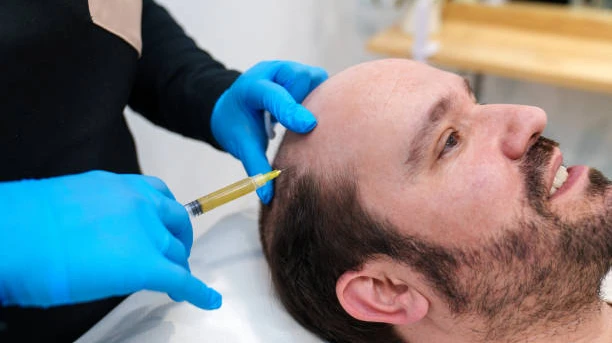
Understand the potential risks, side effects, and safety considerations of ACell PRP Treatment for Hair in Dubai before choosing treatment.
ACell PRP Treatment for Hair in Dubai combines platelet-rich plasma with an extracellular matrix product in an approach intended to support the scalp's tissue environment. While PRP has been studied for certain types of hair loss, the safety and effectiveness of adding ACell to PRP for hair restoration have not been firmly established.
Patients considering this treatment should understand the procedure, possible side effects, and limitations of the available evidence before making a decision.
Understanding the Materials Used in the Treatment
PRP is prepared from a patient's own blood. The blood is processed to concentrate platelets in a portion of the plasma, which is then used for treatment.
ACell is an extracellular matrix product derived from animal tissue. It is intended to provide a supportive framework for tissue repair, but its added value in hair restoration remains uncertain.
Because the combined treatment involves more than one material, patients should ask exactly what is being used and why.
Common Side Effects After Scalp Injections
Injection-based treatments can cause temporary reactions around the treated area.
Possible side effects include:
- Tenderness or discomfort at injection sites
- Redness or mild swelling
- Bruising
- Temporary scalp sensitivity
- Minor bleeding at injection points
- Headache or discomfort during the procedure
These effects may vary depending on the injection technique, preparation, and individual response.
Patients should receive clear aftercare instructions and know whom to contact if symptoms persist or worsen.
Additional Considerations When ACell Is Combined With PRP
Adding an extracellular matrix product introduces considerations that are not identical to those associated with PRP alone.
Potential concerns include sensitivity to the material, local inflammatory reactions, contamination during preparation, and uncertainty about the combined treatment's long-term effects.
The actual risk depends on the specific product, its preparation, the patient's medical history, and the technique used.
Patients should not assume that a treatment is risk-free simply because it is described as regenerative or minimally invasive.
Who Should Discuss Additional Precautions?
Certain medical or scalp conditions may require further assessment before an injection-based treatment is considered.
These may include:
- Active scalp infection or inflammation
- A history of unusual reactions to medical materials
- Bleeding or clotting disorders
- Certain medical conditions affecting healing
- Medication use that may influence bleeding
- Unexplained or rapidly progressing hair loss
This list is not exhaustive. A qualified clinician should review the patient's medical history and determine whether the procedure is appropriate.
Recognizing Symptoms That Need Medical Attention
Most minor injection-related reactions should improve over time.
However, patients should contact their treating clinic if they notice increasing pain, spreading redness, persistent swelling, unusual discharge, or other unexpected symptoms.
Fever, severe pain, rapidly worsening swelling, or signs of a serious allergic reaction require prompt medical attention.
Patients should not attempt to manage significant complications with home remedies.
Why Treatment Quality and Clinical Oversight Matter
The preparation and administration of PRP involve several steps, including blood collection, processing, and injection.
When another product is added, the clinician should explain how it is prepared, handled, and administered.
Patients should ask about the practitioner's qualifications, infection-control procedures, product information, and the evidence supporting the proposed treatment.
A professional consultation should include a discussion of both potential benefits and limitations.
Common Patient Concerns
Is ACell PRP completely natural and therefore risk-free?
No. PRP is derived from the patient's own blood, but the addition of an extracellular matrix product introduces separate safety considerations. No injection-based treatment is entirely free of risk.
Can the treatment cause more hair shedding?
Temporary shedding can occur for several reasons during hair-loss treatment. Whether ACell combined with PRP causes a particular pattern of shedding is not well established. Unexpected or persistent shedding should be evaluated by a clinician.
Does a non-surgical treatment mean there is no recovery period?
Not necessarily. Patients may experience temporary discomfort or scalp sensitivity and may need to follow specific aftercare instructions.
A Safety-Focused Consultation Checklist
Before proceeding, patients should ask:
- What is the exact product being used?
- What evidence supports combining it with PRP?
- What side effects have been reported?
- How is the treatment prepared and administered?
- What medical conditions could affect suitability?
- What aftercare is required?
- Who should be contacted if complications occur?
- What alternatives are available?
These questions help patients understand the procedure beyond its promotional description.
Final Thoughts on Treatment Safety
ACell PRP Treatment for Hair in Dubai should be approached with realistic expectations and careful medical assessment. The potential benefits of the combination remain uncertain, and patients should understand the possible risks before choosing treatment.
At Tajmeels Clinic, patients can explore hair restoration options and discuss their concerns with a qualified clinician. A treatment decision should reflect the individual's diagnosis, medical history, scalp condition, and long-term goals.



Comments
Login to Comment