Mental Health Apps: Pros, Cons, and 2025 Innovations
03 Dec, 2025
9905 Views 2 Like(s)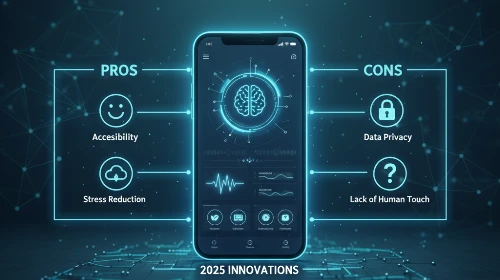
Mental health apps in 2025 offer instant support, personalised plans, mood tracking, and affordable tools powered by AI. They help with stress, sleep, and emotional awareness, and new features like AI therapy companions, mood prediction, VR sessions, and wearable syncing make them smarter than ever. Still, they can’t replace professional therapy, and privacy and quality vary. Used wisely, they’re a strong companion for daily mental wellness.
Mental Health Apps: Pros, Cons, and 2025 Innovations
Mental health has never been more important than it is today. With rising awareness, busy lifestyles, and the need for accessible support, mental health apps have become a lifeline for millions. In 2025, these apps have grown far beyond simple meditation tools. They now offer AI-driven therapy support, mood analytics, crisis assistance, and personalised wellness routines.
But while these apps are transforming the way people care for their minds, it’s important to understand both their strengths and their limitations. Here’s a deeper look at their pros, cons, and the innovations shaping mental health technology this year.
Why Mental Health Apps Matter in 2025
Over the past few years, people have started looking for immediate support—something they can access anywhere, anytime. Therapy waitlists are longer, work stress is higher, and emotional burnout is more common. Mental health apps bridge the gap by offering quick, guided help without judgment or pressure.
Pros of Mental Health Apps
1. Instant Support Anytime, Anywhere
Whether you’re feeling stressed at work or anxious before bed, these apps offer relief in seconds. You don’t have to wait for appointments or travel to a clinic.
Helpful features include:
Guided meditations
Breathing exercises
Quick grounding techniques
Mood boosting activities
This accessibility helps people build consistent mental wellness habits.
2. Affordable Compared to Traditional Therapy
Many apps provide high-quality tools at low or zero cost. Paid versions are still far more affordable than weekly therapy sessions.
This makes mental health care more approachable, especially for young people and those with limited access to professionals.
3. Privacy and Comfort
Not everyone feels comfortable talking openly about their feelings. Apps let users explore emotions privately, at their own pace. This sense of safety encourages more people to seek help who otherwise may not reach out.
4. Personalised Wellness Plans
Today’s apps use AI to study patterns in your behaviour and deliver personalised recommendations.
These suggestions may focus on:
Stress triggers
Sleep patterns
Emotional cycles
Journaling prompts
Mindfulness routines
It’s like having a pocket-sized mental wellness coach.
5. Progress Tracking
Most people find it hard to measure their emotional growth. Mental health apps solve this through mood charts, habit trackers, and progress summaries.
Visual graphs make it easier to understand what’s improving and what needs more attention.
Cons of Mental Health Apps
1. Not a Replacement for Professional Therapy
One of the biggest concerns is that people may treat apps as a full substitute for expert help. While they offer support, they cannot diagnose or treat serious mental conditions.
Apps work best as supplements, not replacements.
2. Limited Human Interaction
For many, the healing part of therapy comes from connection—someone listening, responding, and empathising. Digital tools can assist, but they can’t fully replicate human warmth and understanding.
3. Data Privacy Concerns
Mental health data is extremely personal. Some apps have been criticised for unclear data policies.
Before using any app, it’s important to check:
How your data is stored
Whether it’s shared with third parties
If encryption is used
The company’s privacy policy
In 2025, more apps are improving security, but caution is still needed.
4. Inconsistent Quality Across Apps
Not all mental health apps are built by professionals. Some lack proper research or psychological backing, which can lead to misinformation or ineffective support.
Choosing trusted, evidence-based apps is crucial.
2025 Innovations Transforming Mental Health Apps
The mental wellness industry in 2025 is shifting toward more personalised, science-backed experiences. Here are the top innovations changing the game this year:
1. AI Therapy Companions with Emotional Intelligence
AI chat companions have become much smarter. Instead of offering generic advice, they respond with emotional awareness, recognise tone, and adjust support based on mood patterns.
They act as real-time helpers during stressful moments and guide users towards healthier responses.
2. Advanced Mood Prediction Technology
Using behavioural data, sleep patterns, typing speed, and even voice tone (with permission), apps can predict emotional dips before they happen.
Example:
An app may detect rising stress levels and suggest calming techniques or breathing exercises proactively.
3. VR-Based Therapy Sessions
Virtual reality therapy is becoming more accessible. Users can now enter calming virtual spaces that help with:
Anxiety reduction
Fear exposure therapy
Guided meditation
Stress relief
Trauma healing (with supervision)
It’s immersive and highly impactful.
4. Community-Based Support Platforms
Apps in 2025 are building safe spaces for peer support. These moderated communities help people connect with others who share similar experiences—reducing feelings of isolation.
5. Sleep and Nervous-System Regulation Tools
Sleep affects everything, and 2025 apps offer improved features like:
AI sleep coaches
Gentle sound frequencies
Guided relaxation
Nervous system reset exercises
Smart bedtime routines
These tools help people improve both sleep quality and emotional stability.
6. Integrations With Wearables
Wearable devices now sync with mental health apps to track:
Stress levels
Heart rate
Sleep cycles
Breathing patterns
Early mood shifts
This creates a full picture of emotional and physical wellness.
Who Benefits Most From These Apps?
Mental health apps are helpful for a wide range of people, including:
Students dealing with academic pressure
Working professionals facing burnout
Parents managing stress
Individuals with anxiety or low mood
Anyone trying to improve daily well-being
They give users tools to cope better, reflect deeper, and build healthier routines.
Final Thoughts
Mental health apps in 2025 are more advanced, more supportive, and more accessible than ever. They offer helpful tools for stress relief, emotional tracking, and self-awareness—but they’re not meant to replace traditional therapy. They work best as companions on your wellness journey.
By understanding their strengths and limitations, you can choose apps that genuinely improve your mental well-being. With innovations like AI emotional intelligence, VR therapy, and wearable integration, the future of mental health support is exciting, empowering, and more user-friendly than ever.


Comments
Login to Comment