Is Your Scar Camouflage Healing Normally? Signs to Watch During Recovery
30 Oct, 2026
16 Views 0 Like(s)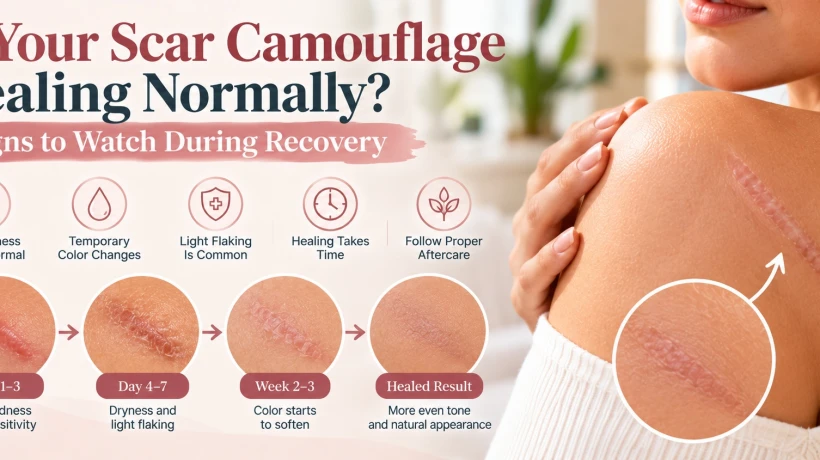
Learn what normal scar camouflage healing looks like, which signs to expect during recovery, and when to contact your practitioner for advice.
Understand what to expect during scar camouflage healing, which changes are considered normal, and when it's time to contact your practitioner.
Scar camouflage is a specialized paramedical tattoo procedure that helps reduce the appearance of healed scars by blending them with the surrounding skin using carefully matched pigments. While the treatment itself is important, the healing process plays an equally significant role in achieving natural-looking results.
It's completely normal to wonder if your skin is healing as expected. During recovery, you'll likely notice changes in color, texture, and appearance that are all part of the body's natural healing process.
Knowing what is normal and recognizing when something may need professional attention can help you feel more confident throughout your recovery.
Why Healing Looks Different for Everyone
No two people heal exactly the same.
Your recovery can be influenced by:
-
Skin type
-
Scar age
-
Scar location
-
Overall health
-
Immune response
-
How closely you follow scar camouflage aftercare instructions
Some people heal quickly, while others notice gradual improvements over several weeks.
What Is Normal After Scar Camouflage?
Immediately after treatment, the area often looks different from the final healed result.
You may experience:
Mild Redness
A small amount of redness around the treated area is common during the first few days.
Slight Swelling
Minor swelling may occur as your skin begins its natural healing response.
Temporary Darker Color
The pigment often appears darker immediately after treatment. As healing progresses, the color gradually softens into a more natural shade.
Dryness or Light Flaking
The skin may become dry or lightly flaky during recovery. This is a normal part of healing.
Gradual Color Changes
It's common for the treated area to appear lighter, darker, or uneven at different stages before the pigment settles completely.
Patience is essential because final results are not visible immediately after treatment.
Signs Your Scar Camouflage Is Healing Well
Healthy healing often includes:
-
Gradually decreasing redness
-
Comfortable skin with minimal irritation
-
Natural peeling without picking
-
Even improvement over time
-
Pigment settling gradually
-
No unusual discomfort
Most importantly, you should notice steady improvement rather than worsening symptoms.
Signs That You Should Contact Your Practitioner
While most healing progresses normally, it's important to contact your practitioner if you notice anything that seems unusual.
Examples include:
-
Increasing redness after the initial healing period
-
Significant swelling that continues to worsen
-
Persistent or worsening pain
-
Unusual drainage or odor
-
Severe irritation
-
Concerns about how the area is healing
If you ever feel unsure about your recovery, it's always best to ask your practitioner for guidance rather than making assumptions.
Why Scar Camouflage Aftercare Matters
Following proper scar camouflage aftercare supports healthy healing and helps protect your results.
Your practitioner may recommend:
-
Keeping the area clean.
-
Avoiding scratching or picking.
-
Protecting the treated area from unnecessary friction.
-
Avoiding excessive sun exposure during healing.
-
Following all personalized aftercare instructions.
Even small habits during recovery can influence the appearance of your final results.
Understanding Scar Camouflage Healing Care
Healing takes time.
During the first several weeks, your body continues repairing the skin while the pigment settles beneath the surface.
Good scar camouflage healing care includes:
-
Allowing the skin to heal naturally.
-
Staying patient during color changes.
-
Avoiding unnecessary irritation.
-
Attending recommended follow-up appointments.
-
Communicating with your practitioner if you have questions.
Remember that healing is a gradual process, not an overnight transformation.
When Will You See Final Results?
Many clients expect immediate improvement, but scar camouflage develops gradually.
As your skin heals:
-
Redness fades.
-
Pigment softens.
-
Color blends more naturally.
-
The overall appearance becomes more balanced.
Your practitioner may recommend a touch-up appointment after healing if additional refinement is needed.
Choosing an Experienced Paramedical Tattoo Artist
Successful healing begins before the procedure itself.
An experienced practitioner provides:
-
A thorough consultation.
-
Realistic expectations.
-
Personalized treatment planning.
-
Detailed paramedical tattoo aftercare for scars instructions.
-
Follow-up support throughout healing.
Choosing a qualified professional gives you the best opportunity for safe treatment and beautiful healed results.
Final Thoughts
Healing after scar camouflage is a gradual journey, and every person's experience is unique. Mild redness, temporary color changes, light flaking, and gradual pigment softening are all common parts of recovery.
By following professional aftercare instructions, protecting your skin, and giving your body time to heal, you can support beautiful, natural-looking results. If anything during healing seems unusual or causes concern, don't hesitate to contact your practitioner for personalized advice.
Frequently Asked Questions
1. How long does scar camouflage healing take?
Initial healing often occurs over several weeks, while the pigment continues settling and softening over time. Your practitioner will explain what to expect based on your treatment.
2. Is redness normal after scar camouflage?
Yes. Mild redness immediately after treatment is common and usually improves as healing progresses.
3. Why does the pigment look darker at first?
Fresh pigment often appears darker before gradually softening into its final healed appearance.
4. Why is scar camouflage aftercare important?
Proper scar camouflage aftercare helps protect healing skin, supports better pigment retention, and contributes to more natural-looking results.
5. When should I contact my practitioner?
If you experience increasing redness, worsening swelling, unusual drainage, persistent pain, or anything that concerns you, contact your practitioner for professional guidance.
Comments
Login to Comment