Can Stress-Related Hair Loss Improve With Hair Fall Treatment?
30 Oct, 2026
8 Views 0 Like(s)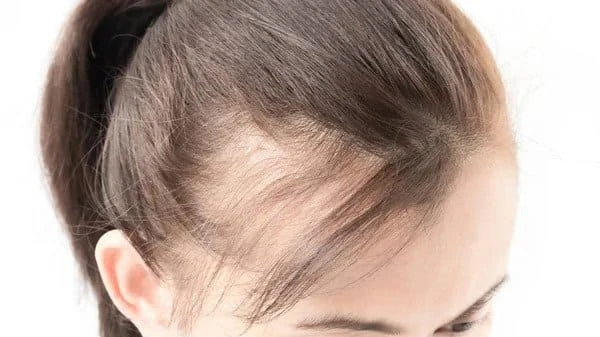
Hair Fall Treatment in Dubai focuses on identifying the reason for stress-related hair loss and supporting the recovery of healthy hair growth.
Stress can affect several body functions, including the natural hair growth cycle. Significant emotional pressure, illness, surgery, or physical exhaustion may cause increased hair shedding, sometimes several weeks or months after the stressful event. Hair Fall Treatment in Dubai focuses on identifying the reason for stress-related hair loss and supporting the recovery of healthy hair growth. With appropriate care and management of the underlying trigger, many people experiencing temporary stress-related shedding can gradually regain their hair density.
Understanding the Connection Between Stress and Hair Shedding
Stress can disrupt the normal hair growth cycle and cause more follicles than usual to enter the resting phase. This condition is commonly known as telogen effluvium. Hair may begin shedding noticeably when these resting hairs eventually fall out, often around two to three months after the triggering event. The shedding can affect the entire scalp rather than creating a specific bald patch. Although it may look alarming, this type of hair loss is often temporary when the underlying cause is addressed.
Common Triggers of Stress-Related Hair Loss
Stress-related shedding can develop after emotional or physical challenges that place additional pressure on the body. Ongoing work pressure, personal difficulties, sleep disruption, major surgery, severe infections, high fever, childbirth, and rapid weight loss may all contribute. In some cases, more than one factor is involved, such as emotional stress combined with poor nutrition or illness. Identifying these triggers helps a specialist understand why shedding has started and determine which steps may support recovery.
How Professional Assessment Helps Identify the Cause
A professional assessment is important because not all hair loss is caused by stress. A dermatologist may review recent illnesses, emotional stress, medications, dietary habits, weight changes, and family history. The scalp and hair may also be examined to identify the pattern of shedding and check for signs of inflammation or other conditions. Depending on the symptoms, blood tests may be recommended to assess iron levels, thyroid function, or other possible contributing factors. This process helps distinguish temporary stress-related shedding from hereditary hair loss or another medical problem.
How Hair Fall Treatment Supports Recovery
Treatment for stress-related hair loss mainly focuses on addressing the triggering factor and supporting the return of a normal hair growth cycle. If shedding is linked to nutritional deficiencies, a healthcare professional may recommend correcting the confirmed deficiency. If a thyroid condition, scalp disorder, or medication-related issue is involved, managing that problem may also be necessary. In uncomplicated cases of telogen effluvium, specific hair-growth medication may not be required because the follicles can recover naturally once the trigger has resolved. Treatment decisions should therefore be based on the diagnosis rather than the amount of hair being shed alone.
The Role of Minoxidil in Certain Types of Hair Loss
Minoxidil is a topical medication used for certain forms of hereditary hair thinning. It may be considered when a person has another type of hair loss alongside stress-related shedding, or when a specialist identifies an appropriate indication. However, it is not routinely necessary for every case of acute telogen effluvium. Some people may experience temporary increased shedding when starting minoxidil, so medical guidance is important before using it. A specialist can determine whether this treatment is suitable based on the hair loss pattern and overall health.
Nutrition and Healthy Habits During Hair Recovery
Adequate nutrition supports normal follicle function and helps the body recover after physical or emotional stress. A balanced diet containing sufficient protein, iron, and other essential nutrients can support healthy hair production. Regular meals, adequate hydration, and avoiding crash diets may also help prevent additional stress on the body. When a nutritional deficiency is confirmed, a healthcare professional can recommend suitable dietary changes or supplementation. Taking high doses of vitamins without testing is not advisable because excessive amounts of certain nutrients may contribute to hair problems.
Managing Stress to Support the Hair Growth Cycle
Managing ongoing stress is an important part of recovery when emotional pressure is contributing to hair shedding. Maintaining a consistent sleep schedule, engaging in regular physical activity, practising relaxation techniques, and taking appropriate breaks may help improve general well-being. People experiencing persistent anxiety or emotional distress may benefit from speaking with a qualified mental health professional. These measures do not guarantee immediate changes in hair growth, but they can help address an important factor that may be contributing to continued shedding.
How Long Does It Take for Stress-Related Hair Loss to Improve?
Recovery depends on how long the triggering factor continues and whether other conditions are affecting the follicles. Once the trigger has been resolved, excessive shedding often begins to settle over the following months. New hair growth may become noticeable gradually, but restoring visible hair density can take six to twelve months or sometimes longer. Hair length, growth rate, and individual health all influence the appearance of recovery. Follow-up assessments can help determine whether shedding is improving as expected or whether another cause needs investigation.
When Should You Seek Professional Advice?
A consultation is recommended if hair shedding is severe, continues for several months, or is accompanied by visible thinning. Sudden bald patches, scalp pain, redness, itching, scaling, or inflammation should also be assessed because they may indicate a condition other than ordinary stress-related shedding. Professional advice is particularly important if hair loss begins after starting a new medication or following a significant illness. Early evaluation helps identify treatable causes and prevents unnecessary use of unsuitable products or treatments.
Conclusion
Stress-related hair loss can often improve when the underlying trigger is addressed and the normal hair growth cycle begins to recover. Professional assessment helps distinguish temporary shedding from hereditary or medical hair loss and determines whether additional treatment is necessary. A balanced diet, healthy sleep habits, stress management, and appropriate medical care can support recovery. Although visible improvement takes time, many people with temporary stress-related shedding experience gradual regrowth over several months.
Frequently Asked Questions
1. Can stress-related hair loss grow back?
Yes. Hair loss caused by telogen effluvium is often temporary. Once the triggering factor is resolved, follicles can return to their normal growth cycle and produce new hair.
2. How long after stress does hair shedding begin?
Shedding commonly becomes noticeable around two to three months after a significant physical or emotional stressor. The timing can vary between individuals.
3. Can emotional stress cause excessive hair shedding?
Yes. Significant or prolonged emotional stress may disrupt the hair growth cycle and cause more hairs to enter the resting phase, leading to increased shedding.
4. Does stress-related hair loss require medication?
Not always. Many cases improve after the underlying trigger is addressed. Medication may be considered when another type of hair loss or a separate medical condition is also present.
5. Can poor sleep contribute to hair shedding?
Poor sleep may affect general health and make stress more difficult to manage. It may contribute indirectly to hair problems, although hair shedding usually has several possible causes.
6. Does minoxidil help with stress-related hair loss?
Minoxidil is not routinely required for uncomplicated temporary telogen effluvium. It may be considered in selected cases, particularly when hereditary hair thinning is also present.
7. Can nutritional deficiencies make stress-related hair loss worse?
Yes. Low iron, inadequate protein intake, and certain nutritional deficiencies may contribute to shedding. A healthcare professional can recommend testing and appropriate correction.
Comments
Login to Comment