Is Morpheus8 Suitable for All Skin Types?
27 Sep, 2026
15 Views 0 Like(s)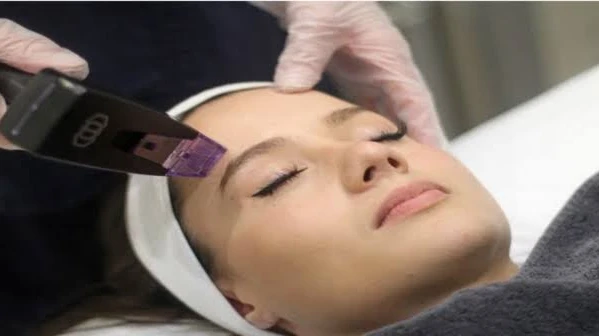
If you are considering Morpheus8 Treatment Dubai, it is important to understand that skin tone alone does not determine whether treatment is appropriate.
Morpheus8 is a medical device that combines microneedling with radiofrequency energy, and its suitability can vary according to the individual's skin type and condition. If you are considering Morpheus8 Treatment Dubai, it is important to understand that skin tone alone does not determine whether treatment is appropriate. Pigmentation history, sensitivity, existing skin conditions, treatment settings, and the specific device protocol should all be considered before treatment.
Is Morpheus8 Suitable for Every Skin Type?
No, Morpheus8 should not automatically be considered suitable for every skin type.
Different skin types can respond differently to energy-based treatments. People with darker skin tones may have a greater risk of post-treatment pigmentation changes, while people with lighter or more sensitive skin may also experience irritation or other temporary reactions.
The FDA documentation for Morpheus8 includes specific limitations at higher energy levels. At energy levels above 62 mJ per pin, the Morpheus8 applicator is limited to Fitzpatrick Skin Types I–IV.
This means treatment settings matter. A professional should assess the skin and select an appropriate treatment approach rather than assuming that the same settings are suitable for everyone.
Can Morpheus8 Be Used on Darker Skin?
Darker skin can require particular care when considering microneedling and energy-based treatments.
The FDA notes that microneedling can cause pigmentation changes, including hyperpigmentation or hypopigmentation, and that some microneedling devices have not been studied in people with darker skin types.
This does not mean that every person with darker skin is automatically unsuitable for treatment.
Instead, skin tone, previous reactions to procedures, tendency toward pigmentation after inflammation, and the planned treatment settings should be assessed carefully.
A history of post-inflammatory pigmentation is especially relevant because inflammation following treatment may trigger darker patches in susceptible individuals.
What About Fitzpatrick Skin Types?
The Fitzpatrick scale classifies skin according to how it typically responds to ultraviolet exposure and ranges from Type I to Type VI.
Broadly:
- Type I: Very light skin that tends to burn easily
- Type II: Light skin that usually burns easily
- Type III: Light to medium skin that may gradually tan
- Type IV: Medium or light-brown skin that tans more easily
- Type V: Brown skin that rarely burns
- Type VI: Dark-brown to black skin that generally does not burn
Skin type can help a healthcare professional understand pigmentation and treatment considerations, but it should not be used as the only factor when planning Morpheus8.
The actual condition of the skin and the selected treatment parameters also matter.
Can Morpheus8 Be Used on Skin With a History of Hyperpigmentation?
A history of hyperpigmentation does not automatically mean that Morpheus8 cannot be performed.
However, it is an important factor that should be discussed during the consultation.
People who develop dark marks easily after acne, irritation, injuries, or previous cosmetic procedures may need more careful treatment planning.
The professional may consider factors such as:
- Previous pigmentation reactions
- Current pigmentation
- Skin tone
- Recent sun exposure
- Treatment intensity
- Treatment depth
- Recovery history
- Previous energy-based procedures
The aim is to select an approach that balances the intended treatment effect with the individual's risk profile.
Can Morpheus8 Be Used on Sensitive Skin?
Sensitive skin may still be considered for treatment in selected situations, but the cause and severity of sensitivity should first be understood.
Temporary redness, tightness, dryness, discomfort, itching, peeling, bruising, or burning can occur after microneedling procedures.
If the skin is already irritated, inflamed, or damaged, treatment may need to be postponed.
A professional assessment can help determine whether the skin is currently stable enough for treatment and whether the planned intensity is appropriate.
Is Morpheus8 Suitable for Skin With Active Acne?
Morpheus8 is not automatically appropriate for skin with active inflammatory conditions.
Active infection, significant inflammation, or an active rash may increase the risk of complications and can be reasons to postpone microneedling treatment.
The FDA lists active skin infections and active facial rashes among situations in which microneedling may not be suitable.
If acne or another skin condition is currently inflamed, it is better to have the condition assessed before deciding whether Morpheus8 should be performed.
Can Morpheus8 Be Used if You Have Eczema or Psoriasis?
Existing inflammatory skin conditions require careful consideration.
The FDA advises that microneedling may not be suitable for people with conditions such as eczema, psoriasis, vitiligo, or certain autoimmune diseases.
This does not mean every person with a history of these conditions will have the same treatment plan.
The current state of the skin, severity of the condition, medications, and treatment area should all be reviewed by a qualified healthcare professional.
Does Skin Tone Affect Morpheus8 Settings?
Yes.
Treatment settings should be individualized rather than selected solely according to a standard protocol.
Energy level, depth, treatment area, and other device parameters can influence the treatment response and potential side effects.
The FDA-cleared Morpheus8 documentation specifically places limitations on higher energy use according to Fitzpatrick skin type, demonstrating why treatment parameters need to be considered carefully.
A professional should determine the appropriate settings based on the device instructions and the individual's skin.
Can Morpheus8 Cause Pigmentation Changes?
Yes.
Pigmentation changes are among the recognized potential risks of microneedling procedures.
These can include both increased pigmentation and loss of pigmentation.
The risk can be particularly important for people who are prone to post-inflammatory pigmentation.
A 2026 FDA adverse-event report involving Morpheus8 described prolonged post-inflammatory hyperpigmentation in a patient with a higher Fitzpatrick skin type; the report attributed the event to an intense inflammatory reaction and individual predisposition. Individual adverse-event reports do not establish how often such complications occur, but they illustrate why pigmentation history should be discussed before treatment.
What Skin Conditions May Mean Morpheus8 Should Be Postponed?
Some skin or health conditions may require treatment to be delayed or avoided.
Examples include:
- Active skin infection
- Active rash
- Significant skin inflammation
- Open or damaged skin
- Certain immune-system conditions
- Certain bleeding or clotting disorders
- Uncontrolled diabetes
- Current cold sore outbreak
- Certain medications or recent isotretinoin use
- Pregnancy or breastfeeding
- Certain implanted medical devices or materials
The exact contraindications depend on the device, treatment area, medical history, and professional assessment.
Can People With Darker Skin Have Morpheus8 Safely?
Treatment may be considered for some people with darker skin, but it requires appropriate assessment and conservative, individualized planning.
Darker skin can be more susceptible to certain pigmentation changes after skin injury or inflammation. The FDA specifically highlights pigmentation risk with microneedling and notes that some devices have not been studied across all darker skin types.
The Morpheus8 regulatory documentation also places specific limitations on higher energy settings according to skin type.
For this reason, someone with a darker skin tone should discuss their Fitzpatrick type, pigmentation history, previous treatment reactions, and the planned settings before treatment.
Signs You Should Pay Attention To
Before treatment, discuss the procedure with a healthcare professional if you have:
- A history of severe pigmentation after procedures
- Very sensitive or reactive skin
- Active acne or inflammation
- Eczema or psoriasis
- A history of keloid scarring
- Recent sun exposure or tanning
- An active skin infection
- Recent cosmetic injections in the treatment area
- A medical condition that may affect healing
After treatment, seek professional advice if you experience severe or increasing pain, significant swelling, blistering, persistent burning, infection, unexpected pigmentation changes, or unusual scarring.
The FDA issued a safety communication in 2025 concerning serious complications reported with certain uses of RF microneedling devices, including burns, scarring, fat loss, disfigurement, and nerve damage. The agency recommends treatment by a licensed healthcare provider with appropriate RF microneedling training and experience.
Checkpoint: Is Your Skin Ready for Morpheus8?
Being a particular skin type does not automatically determine whether you can or cannot have Morpheus8.
Before treatment, a professional should consider:
Skin tone: Your Fitzpatrick skin type can help guide treatment planning.
Pigmentation history: Previous darkening or lightening after skin procedures is important information.
Current skin condition: Active inflammation, infection, or irritation may require postponement.
Treatment settings: Energy and depth should be selected according to the individual's skin and the intended treatment area.
Medical history: Certain medications, health conditions, implants, or previous procedures can affect suitability.
Recovery expectations: The skin should have adequate time to recover and should be monitored for unusual reactions.
This individualized assessment is more useful than assuming that Morpheus8 is automatically appropriate for every skin type.
How Can You Prepare Your Skin Before Treatment?
Preparation depends on your skin and the treatment plan.
Your healthcare professional may advise you to:
- Avoid unnecessary sun exposure before treatment
- Inform them about all relevant medications
- Report previous pigmentation reactions
- Mention any history of cold sores
- Disclose previous cosmetic procedures
- Avoid irritating skincare products when advised
- Follow the clinic's pre-treatment instructions
Do not change prescribed medication without discussing it with the healthcare professional who manages it.
Morpheus8 Treatment in Dubai
If you are considering Morpheus8 in Dubai, your skin type and current skin condition should be assessed before treatment.
A qualified healthcare professional can review your skin tone, pigmentation history, sensitivity, previous procedures, and medical history before deciding whether the treatment is appropriate.
The treatment settings can then be selected according to the individual's circumstances rather than using identical settings for every patient.
This is particularly important because RF microneedling involves delivering energy beneath the skin and can cause significant complications when used incorrectly.
How Can You Support Your Skin After Treatment?
Aftercare is important regardless of skin tone.
Your professional may recommend:
- Following the prescribed aftercare routine
- Protecting the treated skin from excessive sun exposure
- Keeping the skincare routine gentle
- Avoiding aggressive exfoliation during recovery
- Avoiding picking or scratching the treated area
- Using recommended skincare products
- Monitoring the skin for unusual changes
- Attending follow-up appointments when advised
People who are prone to pigmentation should be particularly attentive to sun protection and any unexpected changes in skin colour.
Conclusion
Morpheus8 is not automatically suitable for every skin type or every skin condition. Treatment suitability depends on factors including skin tone, pigmentation history, sensitivity, current skin condition, medical history, treatment area, and device settings.
People with darker skin can require particular attention to pigmentation risk, while people with active inflammation, infection, or certain medical conditions may need to postpone or avoid treatment.
The FDA documentation for Morpheus8 includes specific skin-type limitations at higher energy levels, while broader FDA guidance notes that microneedling can cause pigmentation changes and other complications.
A qualified healthcare professional can assess your skin and determine whether Morpheus8 is appropriate, which settings may be suitable, and what precautions should be taken.
Frequently Asked Questions
1. Is Morpheus8 suitable for all skin types?
No. Suitability depends on skin tone, skin condition, pigmentation history, treatment settings, medical history, and other individual factors.
2. Can darker skin have Morpheus8 treatment?
Some people with darker skin may be candidates, but pigmentation risk and treatment settings require careful assessment.
3. Does Morpheus8 cause pigmentation?
Pigmentation changes are a potential risk of microneedling procedures. The risk can vary according to skin type, treatment settings, and individual response.
4. Is Morpheus8 suitable for sensitive skin?
It may be considered in selected cases, but active irritation or significant sensitivity should be assessed before treatment.
5. Can I have Morpheus8 if I have active acne?
Active inflammatory acne or other active skin conditions may require treatment to be postponed until the skin is stable.
6. Can people with eczema have Morpheus8?
Microneedling may not be suitable when eczema or another inflammatory skin condition is active. Professional assessment is important.
7. Does Fitzpatrick skin type affect Morpheus8 treatment?
Yes. Fitzpatrick skin type can be relevant when selecting treatment settings and assessing pigmentation risk. The FDA documentation includes specific limitations for higher-energy Morpheus8 use.
8. Can Morpheus8 be used on Fitzpatrick skin types V and VI?
Suitability cannot be determined from skin type alone. Darker skin requires careful assessment because pigmentation changes can occur, and device-specific instructions and energy limitations must be followed.
9. What should I tell my provider before Morpheus8?
Tell them about your skin type, pigmentation history, current skin conditions, medications, previous cosmetic procedures, and any history of unusual reactions or scarring.
10. How can I reduce the risk of complications?
Choose a licensed, appropriately trained healthcare professional, disclose your medical and skin history, follow the recommended treatment plan, and follow all pre- and post-treatment instructions.


Comments
Login to Comment