Is Jawline Treatment suitable for men and women
27 Aug, 2026
488 Views 0 Like(s)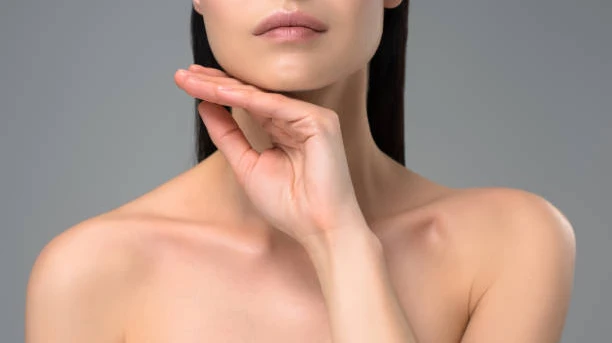
Jawline treatment can be tailored to both men and women, enhancing facial contours while maintaining a natural, balanced appearance.
A well-defined jawline can influence the overall balance and character of the face, making jawline enhancement appealing to people with different aesthetic goals. For those considering Jawline Treatment in Abu Dhabi, an important question is whether the treatment is suitable for both men and women. In general, jawline treatment can be considered by adults of any gender when the approach is appropriately tailored to their facial structure and desired appearance. The objective is not to create one standardized jawline, but to enhance definition and proportion while respecting each person's individual features.
Why Jawline Definition Matters for Both Men and Women
The jawline forms an important transition between the face and neck. Its shape and definition can influence how facial proportions are perceived from both the front and side. Changes in skin firmness, facial volume, genetics, or natural anatomy can make the jawline appear softer or less defined.
Both men and women may seek treatment for different reasons. Some may want greater contour and structure, while others may prefer subtle refinement or improved facial balance. Because aesthetic preferences vary considerably, jawline treatment is best viewed as a customizable option rather than a gender-specific procedure.
Jawline Treatment for Men
Men may often prefer a jawline that appears structured, defined, and proportionate to the rest of the face. A stronger-looking lower facial contour can complement traditionally masculine facial characteristics, although the ideal appearance remains highly individual.
Treatment planning for men takes the existing width, shape, chin projection, and facial proportions into consideration. The objective may be to emphasize definition while maintaining a natural relationship between the jaw, cheeks, chin, and neck. The desired result should complement the individual's features rather than follow a predetermined standard of masculinity.
Jawline Treatment for Women
Women may seek jawline treatment to achieve greater facial refinement, improve contour, or create a more balanced transition between the lower face and neck. Some may prefer a softly defined jawline, while others may desire more noticeable structure.
The appropriate approach depends on the individual's facial characteristics and personal preferences. A successful treatment plan does not assume that all women should have the same type of jawline. Instead, it focuses on creating definition that works harmoniously with the chin, cheeks, lips, and overall facial shape.
Does Gender Determine the Right Treatment?
Gender alone does not determine whether someone is a suitable candidate for jawline treatment. Facial anatomy, skin characteristics, treatment goals, and the degree of desired enhancement are generally more relevant factors.
Two people of the same gender can have completely different jaw structures and aesthetic preferences. Likewise, men and women may have overlapping goals, such as improving facial definition or creating a clearer transition between the jaw and neck. This is why individualized assessment is important when considering treatment.
How Treatment Goals Can Differ
While there are general aesthetic preferences associated with masculine and feminine facial features, individual goals should remain the primary consideration. A man may want subtle refinement rather than a dramatically prominent jawline, while a woman may prefer stronger definition than commonly associated with feminine facial contours.
The treatment can therefore be adapted to the desired level of enhancement. Discussing the preferred appearance clearly can help establish whether the objective is subtle contouring, stronger definition, improved symmetry, or a more balanced lower face.
The Importance of Facial Proportions
Natural-looking jawline enhancement depends heavily on proportion. The jaw does not exist independently from the rest of the face, so treatment planning should consider how the lower facial contour relates to the chin, cheeks, lips, and neck.
For men, this may mean creating definition that complements the natural width and structure of the face. For women, it may involve refining the contour without overpowering softer facial characteristics. In either case, the most suitable result is one that appears consistent with the individual's overall appearance.
Can Younger and Older Adults Consider Jawline Treatment?
Jawline concerns can occur at different stages of adulthood. Younger adults may be interested in improving naturally subtle jaw definition, while older adults may focus more on changes in contour and skin firmness that develop over time.
The appropriate treatment approach can differ depending on the underlying concern. A person seeking structural definition may have different needs from someone primarily concerned with changes in the lower-face contour. An individualized evaluation helps determine which goals are realistic for each stage of adulthood.
What Makes Someone a Suitable Candidate?
Suitability is generally determined by the person's facial characteristics, expectations, and overall treatment goals rather than gender. A suitable candidate should have a clear understanding of the type of improvement they want and realistic expectations about what jawline treatment can accomplish.
During a consultation, the existing jawline, chin, lower face, and neck can be assessed to determine the most appropriate approach. This process can also help clarify whether the desired result should be subtle, moderate, or more pronounced.
Why Personalization Creates Better Results
A personalized approach is particularly important because there is no universal definition of the perfect jawline. Facial structure varies naturally, and the same degree of enhancement may look very different on different people.
Treatment planning can account for facial width, chin shape, existing definition, skin characteristics, and personal preferences. By considering these elements together, the aim is to create a result that enhances the person's appearance without making the jawline appear disconnected from the rest of the face.
Choosing a Natural-Looking Result
Whether the patient is a man or woman, natural-looking enhancement is often achieved by respecting existing facial proportions. The purpose of treatment is not necessarily to create the sharpest possible jawline. Instead, it can be used to bring greater clarity and balance to the lower face.
A well-tailored result should complement the individual's features and remain consistent with their preferred aesthetic. This makes communication during consultation an important part of the treatment process.
FAQs
Is jawline treatment suitable for both men and women?
Yes. Jawline treatment can be considered by both men and women. The treatment approach should be customized according to facial anatomy, aesthetic preferences, and the desired level of definition.
Do men and women need different jawline treatments?
Not necessarily. The underlying treatment options may overlap, but the planning can differ according to individual facial structure and aesthetic goals. Gender may influence preferences, but it does not automatically determine the treatment approach.
Can women achieve a defined jawline without changing their overall facial appearance?
Yes. Treatment can be planned for subtle or moderate definition so that the jawline complements the existing facial features. The desired level of enhancement can be discussed during the consultation.
Can men choose a softer jawline appearance?
Absolutely. Men do not have to pursue an extremely angular or prominent jawline. Treatment can be tailored toward a more subtle and balanced contour when that better matches the individual's preferences.
How is the appropriate jawline treatment chosen?
The appropriate approach is determined through an assessment of facial structure, skin characteristics, existing jawline definition, and aesthetic goals. A personalized treatment plan can then be developed to create a proportionate and natural-looking outcome.


Comments
Login to Comment