India Saree Market Size, Share and Industry Outlook Report 2026–2034
27 Aug, 2026
481 Views 0 Like(s)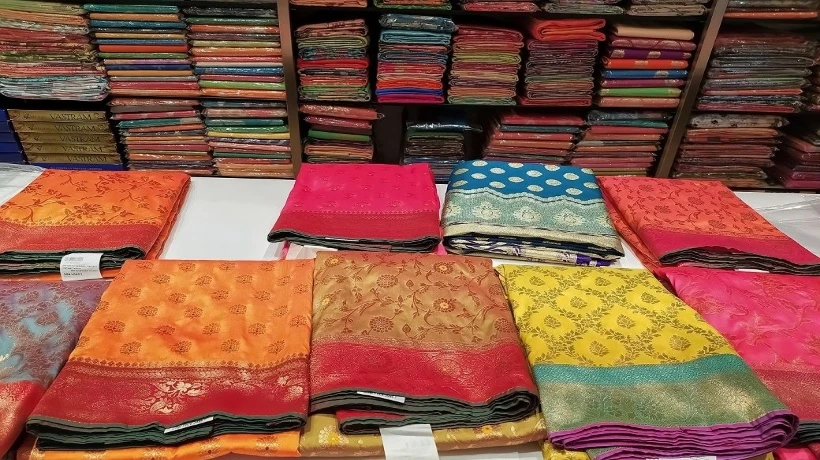
The India saree market size was valued at USD 6.15 Billion in 2025 and is projected to reach USD 10.77 Billion by 2034, growing at a compound annual growth rate of 6.43% from 2026-2034.
Market Outlook
The India saree industry was valued at USD 6.15 Billion in 2025 and is projected to reach USD 10.77 Billion by 2034, growing at a compound annual growth rate of 6.43% between 2026 and 2034. Growth is being driven by rising female workforce participation, sustained government support for handloom weaving communities, and a wave of digital and design innovation that is connecting traditional regional weaves with a new generation of buyers without diluting the garment's cultural significance.
India marked its 12th National Handloom Day on August 7, 2026, under the theme 'Hands that Weave the Nation,' honouring the contribution of 35.22 lakh handloom weavers and allied workers, more than 72% of whom are women. Government digital infrastructure supporting this workforce has scaled meaningfully: the e-Pehchan Portal, which issues digital identity cards to registered weavers, had approved roughly 84,000 additional workers by July 2026, while the Indiahandmade platform, enabling verified weavers to sell authentic, GI-tagged products directly to consumers, onboarded 4,186 weavers and artisans between 2023-24 and June 2026. The Handloom Mark certification scheme had issued 29,402 registrations across 815 retail outlets by June 2026, giving buyers a growing, trustworthy way to identify genuinely handwoven sarees amid an increasingly crowded marketplace.
Market Snapshot:
- Market Size (2025): USD 6.15 Billion
- Forecast Market Size (2034): USD 10.77 Billion
- CAGR (2026-2034): 6.43%
- Leading Segment by Type: Cotton Sarees (23% share in 2025)
- Leading Segment by Price Range: Economy Sarees (55% share in 2025)
- Leading Distribution Channel: Offline (65% share in 2025)
- Leading Region: North India (36% share in 2025)
- India's Handloom Weaver Base (2026): 22 lakh weavers and allied workers, over 72% women
What Are the Growth Factors of the India Saree Market?
- Increasing Workforce Participation and Professional Dress Codes:
Rising employment rates among women across service sectors, government institutions and corporate environments are expanding the addressable market for sarees suitable for professional settings. India's Female Labour Force Participation Rate climbed from 23.3% in 2017-18 to 41.7% in 2023-24, and many organizations continue to promote traditional dress codes, sustaining demand for easy-care fabrics that maintain a polished appearance through working days while exposing younger buyers to sarees earlier in their working lives.
- Expanding Government Digital Infrastructure for Handloom Weavers:
Government-backed digital platforms are strengthening the handloom supply chain that underpins a significant share of premium saree production. The e-Pehchan Portal's digital identity cards, the Indiahandmade platform's direct-to-consumer GI-tagged sales channel, and the Weaver MUDRA Scheme's concessional 6% interest loans with up to 7% interest subvention are collectively improving artisan market access, formalising supply chains, and strengthening consumer trust in product authenticity across the handloom segment.
- Preservation of Cultural Heritage Through Government Initiatives:
Policy interventions supporting handloom sectors through subsidies, marketing assistance and skill development programmes continue to revitalise traditional weaving communities. The government announced increased budget allocations for handloom schemes from Rs. 219.85 crore in 2020-21 to Rs. 367.67 crore in 2024-25, while the Union Budget 2026-27 introduced the National Fibre Scheme to strengthen the textile raw-material base, reinforcing systematic support for artisan livelihoods and product authenticity.
- Evolution of Occasion-Specific Fashion Categories:
Growing affluence among urban and semi-urban households is driving segmentation of saree purchases across multiple occasion categories, from casual daily wear to elaborate ceremonial attire for weddings and festivals. This diversification encourages larger wardrobe collections, while emerging designer categories targeting younger demographics with fusion designs and structured, corset-inspired blouse styling are expanding market boundaries beyond traditional consumer segments.
Grab a sample copy of this report: https://www.imarcgroup.com/india-saree-market/requestsample
What Are the Key Trends Shaping the Market?
- Digital-First Handloom Platforms Expanding Market Reach:
Digital transformation is reshaping how consumers discover and purchase traditional sarees through virtual platforms. Government-backed initiatives such as the Indiahandmade platform, which onboarded over 4,100 weavers by June 2026, are complementing private ventures like Chhunchi, The Needles Craft, an online platform connecting consumers directly with region-specific weaves through curated collections and visual storytelling.
- Momentum From National Handloom Day and Weaver Recognition:
The 12th National Handloom Day, observed on August 7, 2026, under the theme 'Hands that Weave the Nation,' reinforced national attention on handloom weaving as both cultural heritage and a livelihood pillar supporting 35.22 lakh workers. Annual recognition through the Sant Kabir Handloom Award and National Handloom Award, alongside more than 960 marketing events held between 2021-22 and mid-2026, continues to build consumer awareness and market access for authentic handloom sarees.
- Contemporary Design Revival of Regional Weaving Techniques:
Contemporary designers are reimagining traditional weaving patterns by incorporating modern colour palettes and minimalist aesthetics appealing to urban professionals. Techniques such as jamdani, patola and baluchari are being adapted for lighter fabrics and contemporary silhouettes, while 2026 styling trends increasingly treat the blouse as equally important as the saree itself, with corset-inspired, structured and backless designs transforming traditional draping conventions.
- Emphasis on Transparent Supply Chains and Ethical Production:
Growing consumer awareness regarding production conditions has prompted brands to adopt traceability systems documenting the journey from raw material sourcing to finished product delivery. The Handloom Mark certification, with 29,402 registrations and 815 participating retail outlets by June 2026, provides buyers a verified way to identify genuine handwoven products amid rising competition from machine-made and counterfeit alternatives.
What Are the Major Market Challenges?
- Competition From Alternative Ethnic Wear Formats:
Contemporary ethnic wear categories including kurtis, anarkalis and palazzo sets offer convenience advantages that appeal to younger consumers seeking traditional aesthetics without the complexity of saree draping. These ready-to-wear alternatives eliminate the skill requirements associated with traditional draping, lowering barriers to ethnic wear adoption among consumers unfamiliar with regional draping techniques and creating meaningful substitution pressure among time-constrained urban millennials.
- Maintenance Requirements and Storage Limitations:
Delicate fabrics, intricate embellishments and traditional weaving techniques demand specialised care, including dry cleaning for premium varieties and careful folding methods to prevent creasing and embroidery damage. Urban housing constraints further limit dedicated storage space for saree collections, particularly in metropolitan areas, potentially discouraging frequent purchases or shifting preference toward lower-maintenance synthetic alternatives.
- Limited Product Standardization and Counterfeit Risk:
The fragmented nature of saree production across numerous small-scale units and independent weavers creates inconsistencies in fabric quality, colour fastness and construction standards that complicate purchase decisions. Counterfeit products misrepresenting material composition or regional origin continue to undermine consumer confidence, even as certification systems such as the Handloom Mark and GI tags work to distinguish authentic handcrafted sarees from mass-produced alternatives.
Explore the Full Report with Charts, Table of Contents, and List of Figures: https://www.imarcgroup.com/india-saree-market
Deep-Dive Segment Insights:
Type of Saree Insights
The India saree market by type is segmented into Cotton, Silk, Synthetic, Linen, Chiffon, Georgette, Designer, Handloom, and Others. Among these, Cotton Sarees dominate with a 23% share in 2025. The segment's leadership is driven by the following factors:
- Climate-Suited Comfort: Cotton's natural fibre composition ensures superior moisture absorption and air circulation, making it suitable for extended daily wear across India's tropical and subtropical climate zones throughout the year.
- Broad Manufacturing Accessibility: Production ranges from traditional handloom techniques to mechanized methods, creating price points that accommodate diverse economic segments while supporting rural employment through established cotton yarn supply chains.
- Versatile Design Canvas: Cotton's versatility enables extensive experimentation with dyeing, block printing and embroidery applications tailored to regional aesthetic preferences, reinforcing its broad appeal across demographics and occasions.
Price Range Insights
The India saree market by price range is segmented into Economy, Mid-Range, and Premium/Luxury. Among these, Economy Sarees lead with a 55% share in 2025. The segment's leadership is driven by the following factors:
- Alignment With Mass-Market Purchasing Power: Synthetic blends, machine-woven cotton variants and standardized designs reduce production costs while maintaining acceptable quality, aligning with the purchasing power of middle and lower-income households across India.
- Efficient Wholesale Distribution Networks: Established wholesale networks connecting textile hubs with retail outlets in smaller towns and rural markets support cost-effective distribution where traditional attire remains the preferred clothing choice.
- Consistent Wardrobe-Essential Demand: Consumers across demographic groups view economy sarees as essential wardrobe components rather than aspirational purchases, sustaining resilient, non-discretionary demand even during periods of broader economic caution.
Regional Insights
The India saree market by region is led by North India, which commands a 36% share in 2025. The region's leadership is driven by the following factors:
- Concentrated Population and Cultural Affinity: Delhi, Punjab, Haryana and Uttar Pradesh combine dense population centres with strong cultural affinity for traditional attire across religious ceremonies, weddings and formal social gatherings.
- Established Premium Weaving Clusters: Textile manufacturing clusters in Varanasi and Lucknow specialise in silk weaving and intricate embroidery techniques that command premium positioning, anchoring the region's high-value saree production base.
- Strong Retail Corridor Concentration: Major shopping districts in cities like Delhi and Jaipur create competitive marketplaces offering diverse saree varieties from across India alongside locally produced specialties, reinforcing regional market depth.
Competitive Landscape:
The India saree market operates through a multi-layered competitive structure encompassing government-supported handloom cooperatives, family-owned textile mills with regional specialisations, and emerging designer brands targeting premium segments. Competition increasingly centres on product differentiation through unique design elements, fabric innovation and storytelling around artisan heritage, with digital platforms democratising market access for smaller producers while intensifying competition as geographic barriers to entry diminish.
Recent News or Developments:
- On August 7, 2026, India observed its 12th National Handloom Day under the theme 'Hands that Weave the Nation,' recognising the contribution of 35.22 lakh handloom weavers and allied workers, over 72% of whom are women, with the Prime Minister urging citizens to purchase at least one handloom product.
- By June 2026, the government's Indiahandmade platform, enabling verified weavers to sell authentic and GI-tagged products directly to consumers, had onboarded 4,186 weavers and artisans since 2023-24, while the Handloom Mark certification scheme had issued 29,402 registrations across 815 participating retail outlets.
- By July 2026, the e-Pehchan Portal, which provides digital identity cards to registered handloom weavers and allied workers, had approved approximately 84,000 additional workers since its January 2025 launch, expanding digital access to government welfare schemes across the sector.
Customization Note: If you require any specific information not covered within this report's scope, we will provide it as part of the customization.
Request Report Customization: https://www.imarcgroup.com/request?type=report&id=35333&flag=E
Frequently Asked Questions (FAQs):
Q1. How big is the India saree market?
The India saree market was valued at USD 6.15 Billion in 2025.
Q2. What is the projected growth rate of the India saree market?
The India saree market is expected to grow at a CAGR of 6.43% during 2026-2034, reaching USD 10.77 Billion by 2034.
Q3. Which type of saree held the largest India saree market share?
Cotton sarees dominated the market with a 23% share in 2025, driven by natural breathability, versatile styling options and price accessibility across diverse consumer segments.
Q4. What government initiative is supporting the India saree market?
National Handloom Day, celebrated for the 12th time on August 7, 2026, alongside digital platforms like Indiahandmade and the e-Pehchan Portal, continues to support India's 35.22 lakh handloom weavers and strengthen authentic saree supply chains.
Q5. What are the key factors driving the India saree market?
The India saree market is driven by increasing women's workforce participation, expanding government digital infrastructure supporting handloom weavers, sustained cultural heritage preservation initiatives, and the evolution of occasion-specific fashion categories.


Comments
Login to Comment