Improve Your Dental Health with Strong and Natural-Looking C
10 Nov, 2026
24Views 0 Like(s)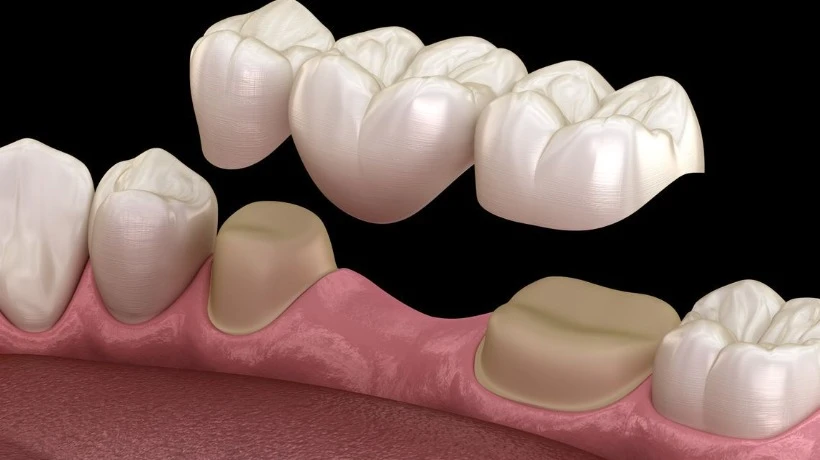
Discover how strong, natural-looking dental crowns restore damaged teeth, improve chewing function, and support better oral health and confidence.
A healthy smile is important for everyday comfort, communication, and confidence. However, teeth can become weakened or damaged because of decay, fractures, injuries, or excessive wear. These problems may affect the appearance of your smile and make normal activities such as eating and speaking uncomfortable. Modern restorative dentistry offers effective solutions to repair and protect damaged teeth, and dental crowns are among the most widely used options.
Dental crowns are customized restorations that cover damaged teeth to improve their strength, shape, and appearance. They are available in different materials designed to meet individual dental needs. People considering Dental Crown Treatment in Islamabad can benefit from understanding how crowns work, which materials are available, and how proper care supports long-term oral health.
What Are Strong and Natural-Looking Dental Crowns?
A dental crown is a fixed covering placed over a prepared tooth. It surrounds the visible portion of the tooth above the gum line and helps restore its original shape, size, and function.
Modern crowns can be made from porcelain, ceramic, zirconia, metal, or porcelain-fused-to-metal materials. Tooth-coloured options are particularly popular because they can be customized to blend with surrounding natural teeth.
The dentist considers the tooth's condition, location, biting pressure, and appearance when recommending a suitable crown. A properly designed restoration should provide a comfortable fit while supporting everyday dental function.
How Dental Crowns Improve Dental Health
Dental crowns offer more than cosmetic improvements. Their main purpose is to protect and restore teeth that have lost significant natural structure.
A weakened tooth may become vulnerable to cracking or breaking when exposed to regular chewing pressure. A crown covers the prepared tooth and helps distribute these forces across its surface.
Crowns may also help restore teeth affected by extensive decay or large fillings. By supporting the remaining tooth structure, they can reduce the risk of further damage in suitable cases.
However, crowns do not prevent every dental problem. Regular oral hygiene and professional examinations remain necessary.
Restore Damaged and Broken Teeth
Cracked, chipped, and broken teeth can affect both appearance and functionality. Even a small fracture may become more problematic if it extends deeper into the tooth.
Depending on the severity and location of the damage, a dentist may recommend a crown to cover and support the remaining tooth. This can help restore its shape and improve its ability to handle normal biting forces.
A professional examination is essential because some fractures may require different treatments. If a crack extends below the gum line or affects the tooth root, a crown alone may not be sufficient.
Achieve a Natural-Looking Smile
Modern dental crowns can be designed to resemble natural teeth in colour, shape, and size. This makes tooth-coloured crowns a popular option for people who want to improve their smile while restoring damaged teeth.
Porcelain, ceramic, and zirconia materials can be selected according to the patient's dental requirements. The dentist considers surrounding tooth shades and facial features when planning the restoration.
A customized crown can help improve the appearance of misshapen, severely discoloured, or damaged teeth. Patients exploring Dental Crown Treatment in Islamabad can discuss their preferred smile appearance during the initial consultation.
Different Types of Dental Crowns
Selecting the right material is an important part of successful crown treatment. Each type offers specific advantages.
Porcelain Crowns
Porcelain crowns are known for their natural appearance. They can be customized to match nearby teeth and may be suitable for visible areas of the mouth.
Ceramic Crowns
Ceramic crowns provide tooth-coloured aesthetics and are commonly considered when appearance is a priority. Their suitability depends on the tooth's position and functional requirements.
Zirconia Crowns
Zirconia is a strong ceramic material that offers durability and an attractive appearance. It may be used for front or back teeth depending on the restoration design.
Metal Crowns
Metal crowns are durable and resistant to wear. They are often considered for back teeth, although their metallic appearance may not suit patients seeking a natural-looking restoration.
Porcelain-Fused-to-Metal Crowns
These crowns combine a metal foundation with a porcelain outer layer. They offer a balance of strength and aesthetics, but the porcelain surface may chip in some circumstances.
Understanding the Dental Crown Procedure
The dental crown procedure usually begins with a detailed examination. The dentist checks the affected tooth and may use X-rays to evaluate its internal condition.
If a crown is suitable, damaged areas are treated, and the tooth is shaped to accommodate the restoration. An impression or digital scan is then taken to create a customized crown.
A temporary crown may be placed while the permanent restoration is prepared. During the final appointment, the dentist checks the fit, colour, and bite before securing the crown with dental cement.
The number of appointments depends on the treatment plan and the technology available at the dental clinic.
Who May Need Dental Crown Treatment?
Dental crowns may be recommended for individuals with:
-
Teeth affected by extensive decay.
-
Cracked or broken teeth that remain restorable.
-
Large fillings that leave limited natural tooth structure.
-
Certain teeth after root canal treatment.
-
Worn-down teeth requiring additional support.
-
Dental implants that need a permanent visible restoration.
Not every damaged tooth needs a crown. A dentist may recommend a filling, inlay, onlay, or another treatment depending on the amount of remaining healthy structure.
Tips for Maintaining Your Dental Crowns
Proper oral hygiene helps protect both the crown and the natural tooth underneath it. Although crowns are designed to be durable, they can still become damaged, and the underlying tooth can develop decay.
Follow these simple habits:
-
Brush twice daily with fluoride toothpaste.
-
Floss carefully around the crown.
-
Avoid chewing ice and extremely hard objects.
-
Limit sugary snacks and drinks.
-
Attend regular dental check-ups.
-
Contact your dentist if the crown feels loose or uncomfortable.
Patients receiving Dental Crown Treatment in Islamabad should follow their dentist's personalized aftercare recommendations.
Conclusion
Strong and natural-looking dental crowns can help restore damaged teeth, improve chewing comfort, and enhance the appearance of a smile. With several materials available, dentists can recommend customized restorations based on individual oral health needs.
Successful treatment depends on accurate diagnosis, suitable material selection, professional placement, and consistent dental care. If you are considering Dental Crown Treatment in Islamabad, consult a qualified dentist to understand your options and determine whether a crown is appropriate for your teeth.
Frequently Asked Questions
1. Can dental crowns improve overall dental health?
Dental crowns can protect weakened teeth, restore damaged structures, and improve chewing function. A dentist can assess whether Dental Crown Treatment in Islamabad is suitable for your oral health needs.
2. Which dental crown material looks most natural?
Porcelain and ceramic crowns are popular for their natural tooth-like appearance. Zirconia can also provide attractive results. Your dentist can recommend a suitable material for Dental Crown Treatment in Islamabad based on tooth position and function.
3. Are dental crowns strong enough for everyday chewing?
Properly selected and fitted crowns are designed to withstand normal chewing forces. Their durability depends on the material, placement, and individual habits. Professional guidance is important when choosing Dental Crown Treatment in Islamabad.
4. How can I keep my dental crowns looking good?
Brush twice daily, floss regularly, avoid chewing very hard objects, and attend routine dental examinations. Following these habits after Dental Crown Treatment in Islamabad can help maintain your restoration and support healthy gums.
For more information visit
Enfield royal clinic in islamabad



Comments
Login to Comment