HydraFacial Treatment Mistakes That Can Affect Your Results
06 Oct, 2026
13 Views 0 Like(s)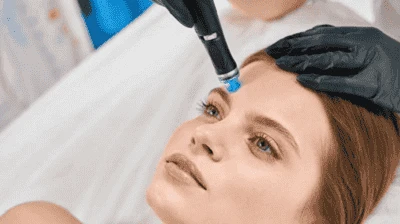
Discover the benefits of HydraFacial Treatment for glowing, hydrated skin. Learn how this advanced facial refreshes and rejuvenates your complexion.
HydraFacial treatment has become a popular choice for people who want smoother, cleaner, and more refreshed-looking skin without a lengthy recovery period. The treatment combines cleansing, exfoliation, extraction, and hydration in a structured facial procedure, making it appealing to those dealing with clogged pores, dullness, uneven texture, or dehydrated skin.
However, even a well-designed treatment can produce less-than-ideal results if certain mistakes are made before, during, or after the session. People considering HydraFacial Treatment in Muscat should understand that the outcome does not depend only on the treatment itself. Skin type, preparation, aftercare, product selection, and treatment frequency can all influence the final result.
The good news is that many common mistakes are avoidable. With appropriate preparation and sensible aftercare, the skin can receive the benefits of the procedure while minimizing unnecessary irritation.
1. Choosing a Treatment Without Considering the Skin Type
One of the most common mistakes is assuming that every HydraFacial treatment should be identical. Skin can vary significantly from person to person. Someone with oily, congested skin may have different needs from someone with sensitive or very dry skin.
A customized approach is therefore important. The products, exfoliation intensity, extraction approach, and infusion used during a treatment may need to be adjusted according to the skin's condition.
People with sensitive skin should be particularly careful about aggressive exfoliation or unnecessary active ingredients. Similarly, individuals with very dry skin may benefit more from a hydration-focused approach rather than concentrating heavily on extraction.
Before undergoing HydraFacial Treatment in Muscat, it is helpful for the individual to discuss current skin concerns, previous reactions to skincare products, and any ongoing treatments with a qualified skincare professional. This allows the treatment plan to be better suited to the skin rather than following a one-size-fits-all approach.
2. Using Strong Skincare Products Before the Treatment
Another mistake is continuing an aggressive skincare routine immediately before a HydraFacial session. Products containing strong exfoliating ingredients or other potent actives can sometimes make the skin more sensitive.
For some individuals, ingredients such as retinoids, exfoliating acids, or strong acne treatments may contribute to dryness, redness, or irritation when used too close to a facial procedure. The appropriate timing depends on the person's skin and the products being used.
Instead of experimenting with the routine before treatment, it is better to ask a skincare professional whether particular products should be paused temporarily. The goal is to arrive at the appointment with a comfortable skin barrier rather than already irritated or over-exfoliated skin.
This is particularly relevant for people who regularly use multiple active products. More skincare is not necessarily better, especially immediately before a professional facial treatment.
3. Ignoring Sun Exposure Before and After the Session
Sun exposure can affect how the skin responds to exfoliation and other facial procedures. Recently sunburned, irritated, or excessively exposed skin may be more sensitive than usual.
People planning HydraFacial Treatment in Muscat should be mindful of sun exposure because strong sunlight and outdoor activities can contribute to skin sensitivity. Protecting the skin before and after treatment is an important part of maintaining comfortable results.
After a session, broad-spectrum sunscreen should generally be part of the daily skincare routine. Wearing protective clothing, seeking shade, and limiting unnecessary direct sun exposure can also help.
Skipping sun protection may work against the goal of improving the appearance of the skin. Even when the skin looks fresh immediately after treatment, UV exposure can contribute to pigmentation, premature skin aging, and other concerns.
4. Picking at the Skin After Extraction
One of the most tempting mistakes is touching or picking at the skin after a facial, especially if small areas of congestion remain visible.
HydraFacial procedures may include gentle extraction designed to remove impurities from pores. However, the skin may still need time to settle afterward. Attempting to manually squeeze blackheads, whiteheads, or small bumps can introduce unnecessary irritation.
Picking can also increase the likelihood of redness, inflammation, and post-inflammatory marks, particularly in individuals whose skin tends to develop pigmentation after irritation.
After HydraFacial Treatment in Muscat, it is better to keep the skincare routine gentle and allow the skin to recover naturally. If congestion continues to be a concern, the issue can be discussed during the next professional consultation instead of repeatedly squeezing the skin at home.
5. Applying Too Many Products Immediately After Treatment
A common misconception is that freshly treated skin needs a large number of skincare products to maintain the results. In reality, adding multiple new or highly active products immediately after a facial may unnecessarily irritate the skin.
A simple routine is often more appropriate after treatment. Gentle cleansing, suitable hydration, and daily sun protection can help support the skin barrier.
Introducing several products at once also makes it difficult to identify the cause if irritation occurs. If the skin becomes red, itchy, unusually dry, or uncomfortable, determining which product caused the reaction can be challenging.
Individuals should therefore follow the aftercare recommendations provided for their specific skin condition rather than assuming that every popular skincare ingredient is appropriate immediately after a HydraFacial.
6. Expecting One Treatment to Solve Every Skin Concern
HydraFacial can improve the appearance of several common skin concerns, but it should not be viewed as a universal solution for every dermatological condition.
A single session may leave the skin looking cleaner, smoother, and more hydrated, but concerns such as persistent acne, significant pigmentation, deep acne scars, pronounced wrinkles, or certain skin conditions may require a broader treatment strategy.
Expectations are therefore important. Someone seeking HydraFacial Treatment in Muscat should have a realistic understanding of what the procedure is designed to accomplish.
Professional advice can help determine whether HydraFacial is appropriate on its own or whether another treatment or skincare plan may be more suitable. In some cases, combining different approaches over time may provide a more comprehensive strategy.
7. Scheduling Treatments Too Frequently
Another mistake is assuming that more frequent treatments automatically lead to better skin. The skin needs time to maintain its natural barrier and respond to skincare procedures.
The ideal treatment schedule can vary according to skin type, concerns, lifestyle, and the specific approach used during the session. Having treatments too frequently without professional guidance may contribute to unnecessary sensitivity or dryness.
A consistent but sensible skincare routine between appointments is often just as important as the treatment itself. Regular cleansing, moisturizing, sun protection, and appropriate active ingredients can help maintain improvements.
Instead of booking sessions as frequently as possible, individuals should discuss an appropriate schedule based on their skin's response and long-term goals.
How to Get Better Results From HydraFacial Treatment
Getting the most from a HydraFacial involves more than simply attending the appointment. Preparation and aftercare can play an important role in maintaining the skin's appearance.
Before treatment, individuals should provide accurate information about their skincare routine, allergies, sensitivities, recent cosmetic procedures, and any products or medications that may affect the skin. This information can help the professional determine whether any adjustments are necessary.
After treatment, keeping the routine uncomplicated can be beneficial. Gentle skincare, adequate hydration, and consistent sun protection are generally important. It is also sensible to avoid unnecessary picking, harsh scrubbing, or experimenting with several new products at once.
Lifestyle habits can matter as well. Adequate hydration, balanced nutrition, sufficient sleep, and protection from excessive sun exposure can support overall skin health.
Most importantly, expectations should remain realistic. HydraFacial can be a useful component of a skincare routine, but maintaining healthy-looking skin is usually a long-term process rather than the result of one appointment.
Frequently Asked Questions
1. What is HydraFacial treatment?
HydraFacial is a professional facial treatment that generally combines cleansing, exfoliation, extraction, and hydration. The process is designed to improve the appearance and feel of the skin while addressing concerns such as congestion, dullness, uneven texture, and dehydration.
2. Is HydraFacial suitable for sensitive skin?
It may be suitable for some people with sensitive skin, but the treatment should be appropriately customized. The intensity and products used may need to be adjusted according to individual sensitivity. A professional skin assessment can help determine whether the treatment is appropriate.
3. Can someone use retinol before a HydraFacial?
Retinol and other active skincare ingredients may increase sensitivity in some individuals. Whether they should be paused before treatment depends on the person's skin and routine. It is best to discuss the timing of these products with the treatment professional rather than making assumptions.
4. How often can HydraFacial treatments be performed?
The ideal frequency varies from person to person. Skin type, treatment goals, sensitivity, and the specific treatment approach all influence the appropriate schedule. Treatments should not be performed excessively simply because the skin looks better immediately afterward.
5. Can someone wear makeup after a HydraFacial?
The appropriate timing for makeup application can depend on the treatment and the skin's condition afterward. Following the aftercare instructions provided by the professional is the safest approach. If the skin feels sensitive or looks irritated, giving it additional time to settle may be preferable.
6. Is HydraFacial a treatment for acne?
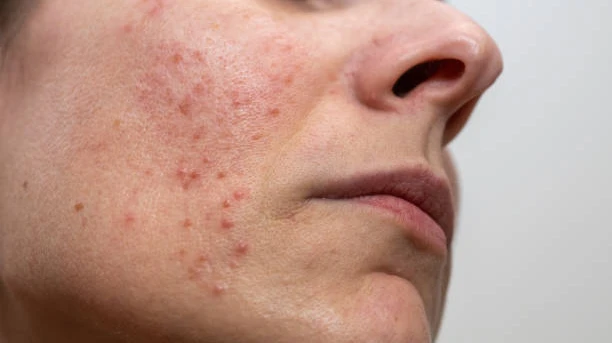
HydraFacial may help with certain aspects of congested or oily skin, such as surface buildup and clogged pores. However, persistent or inflammatory acne may require a more comprehensive medical skincare approach. It should not automatically be considered a replacement for professional acne management.
Read More About HydraFacial Treatment: https://facetegram.com/index.php?link1=read-blog&id=17486

Comments
Login to Comment