How Virtual Mental Health Services Make Care Easier
15 Sep, 2026
4 Views 0 Like(s)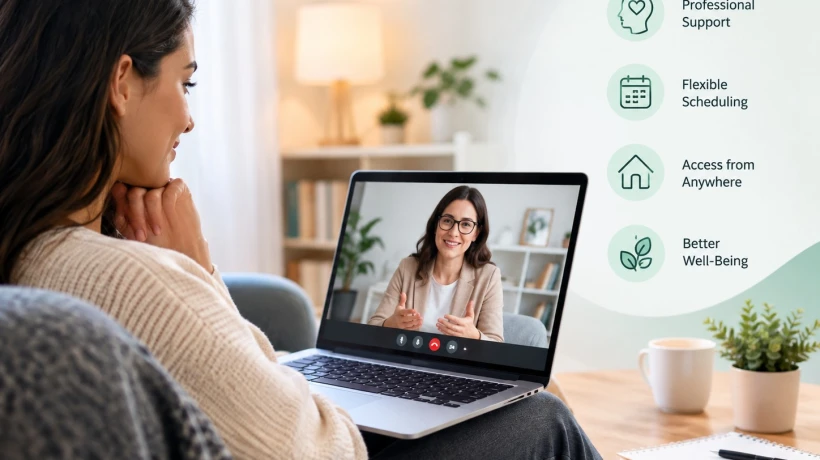
Learn how virtual mental health services and online psychiatrist visits can improve access to mental health care, follow-up, and treatment.
Getting mental health support can be difficult when work, family responsibilities, transportation, distance, or discomfort with traditional appointments gets in the way. For many people, virtual care offers a practical alternative. Instead of traveling to an office, patients can connect with a qualified mental health professional from a private and convenient location.
Virtual mental health services can include psychiatric evaluations, therapy, medication management, follow-up appointments, and other forms of remote behavioral healthcare. Telepsychiatry may use secure video or audio communication to connect patients with psychiatric professionals. According to the American Psychiatric Association, telepsychiatry can provide services such as psychiatric evaluations, therapy, patient education, and medication management.
For people who need psychiatric support but struggle with traditional appointments, an online psychiatrist may provide a more accessible way to begin or continue care.
What Are Virtual Mental Health Services?
Virtual mental health services are healthcare services delivered through digital communication instead of requiring every appointment to happen in a physical office.
Depending on the provider and the patient's needs, virtual care may involve:
- Psychiatric assessments
- Mental health consultations
- Medication management
- Individual therapy
- Family or relationship-focused support
- Follow-up appointments
- Treatment planning
- Ongoing symptom monitoring
- Mental health education
The exact services available vary by provider, location, clinical needs, and applicable healthcare regulations.
The goal is not simply to replace an office visit with a video call. Good virtual care should still focus on understanding the person's concerns, developing an appropriate treatment plan, monitoring progress, and adjusting care when necessary.
When Should You Consider an Online Psychiatrist?
People seek psychiatric care for many different reasons. You may be dealing with persistent anxiety, depression, mood changes, difficulty sleeping, attention-related concerns, emotional distress, or other symptoms that are interfering with everyday life.
An online psychiatrist may be worth considering when:
- Mental health symptoms are affecting work, school, relationships, or daily routines.
- You need psychiatric evaluation but have difficulty traveling to an office.
- You need regular medication follow-up.
- You live far from a suitable mental health professional.
- Scheduling traditional appointments is difficult.
- You feel more comfortable discussing personal concerns from a familiar environment.
- You want to explore whether psychiatric treatment may be appropriate.
Seeking help does not necessarily mean that your symptoms are severe. Early professional support can help identify concerns and determine what type of care may be appropriate.
How Online Psychiatric Appointments Work
The process is generally straightforward, although each practice may have different procedures.
First, you usually schedule an appointment and provide basic information about your concerns and healthcare needs. Before the appointment, you may receive instructions for accessing a secure video or communication platform.
During the consultation, the psychiatrist may ask about your symptoms, medical history, medications, sleep, mood, stress levels, daily functioning, and other relevant factors. Depending on the situation, the clinician may also discuss previous mental health treatment.
The information gathered during the evaluation helps the psychiatrist determine appropriate next steps. Treatment could involve therapy, medication, lifestyle recommendations, additional assessment, or coordination with another healthcare professional.
Follow-up appointments may then be used to evaluate progress and make changes when clinically appropriate.
Why Virtual Care Can Be More Convenient
One of the biggest challenges in mental healthcare is getting to the appointment in the first place. Transportation, distance, work schedules, childcare, and other responsibilities can make regular office visits difficult.
Virtual appointments can reduce some of these barriers by allowing care to take place remotely. The American Psychiatric Association notes that telepsychiatry can improve access, reduce transportation barriers, decrease the need for time away from work or family responsibilities, and support continuity of care.
This flexibility can be especially useful for people who need ongoing follow-up rather than a single appointment.
Can Virtual Psychiatry Be Effective?
A common concern is whether online mental health treatment can provide the same quality of care as an in-person appointment.
Research summarized by the American Psychiatric Association indicates that telepsychiatry has substantial evidence supporting its effectiveness, with outcomes comparable to in-person care in several areas. Evidence also supports its use for assessment and treatment across children, adolescents, and adults.
However, virtual care is not automatically the right choice for every situation. A qualified professional should determine whether remote treatment is suitable based on the patient's symptoms, circumstances, safety needs, and clinical requirements.
In some cases, a combination of virtual and in-person appointments may provide a useful approach.
What About Privacy and Security?
Privacy is an important consideration when receiving mental health care online.
Before choosing a virtual service, consider how appointments are conducted and what technology is used to protect personal health information. Patients should also choose a private location for their appointment whenever possible.
Using a personal device on a secure internet connection and avoiding public spaces can help create a more appropriate environment for discussing sensitive information.
Mental health apps and digital tools should also be evaluated carefully. The American Psychiatric Association recommends considering factors such as privacy, security, clinical evidence, ease of use, and the developer's information when evaluating digital mental health tools.
How to Prepare for a Virtual Mental Health Appointment
A little preparation can make an online appointment more productive.
Before your appointment, consider writing down:
- The main symptoms you have noticed
- When the symptoms started
- Changes in sleep or appetite
- Current medications and supplements
- Previous mental health treatment
- Major recent stressors
- Questions you want to ask
- Changes in mood, concentration, or daily functioning
You should also test your internet connection, camera, microphone, and appointment platform beforehand if possible.
Choose a quiet and private location where you can speak openly without unnecessary interruptions.
Virtual Care Is Not Only About Convenience
The real value of virtual mental health care is not simply avoiding a trip to the doctor's office. It can help make professional support more accessible and easier to maintain.
For someone who has difficulty traveling, lives far from specialized care, or needs regular follow-up, remote treatment may remove practical barriers that could otherwise lead to missed appointments.
Telepsychiatry can also support continuity of care. The American Psychiatric Association reports high satisfaction among patients and clinicians and notes that telepsychiatry can provide quality of care comparable to in-person treatment in appropriate situations.
When In-Person Care May Still Be Necessary
Virtual treatment has advantages, but it should not be viewed as the solution for every mental health situation.
Some people may benefit from an in-person assessment, additional medical evaluation, or a combination of remote and face-to-face care. A clinician can help determine what approach is safest and most appropriate.
If someone is experiencing an immediate mental health crisis, thoughts of self-harm, or a situation requiring urgent medical attention, online scheduling should not delay emergency assistance. Contact local emergency services or an appropriate crisis resource immediately.
Choosing the Right Virtual Mental Health Provider
When comparing virtual mental health services, look beyond convenience and appointment availability.
Consider whether the professional has appropriate credentials and experience with your concerns. Ask how appointments are conducted, what types of treatment are offered, how follow-up works, and whether virtual care is appropriate for your situation.
You may also want to understand payment options, insurance coverage, cancellation policies, technology requirements, and how your information is handled.
Most importantly, choose a provider with whom you feel comfortable communicating honestly. A strong professional relationship is an important part of effective mental healthcare, whether treatment happens online or in person.
Making Mental Healthcare Easier to Access
Mental health support should be practical enough for people to use consistently. For many patients, virtual care can remove some of the barriers associated with traditional appointments while still providing professional assessment, treatment, and follow-up.
An online psychiatrist can be particularly useful when psychiatric evaluation or ongoing medication management is needed and remote care is clinically appropriate. At the same time, virtual mental health services can connect people with different forms of behavioral healthcare without requiring every appointment to happen in a traditional office.
The best approach depends on the individual's symptoms, preferences, safety, and treatment needs. If accessing mental healthcare has been difficult because of distance, scheduling, transportation, or other barriers, virtual care may provide a practical option worth discussing with a qualified professional.



Comments
Login to Comment