How to Use a Hand Seamer: Types, Applications, and Pro Tips
21 Jun, 2026
1297 Views 0 Like(s)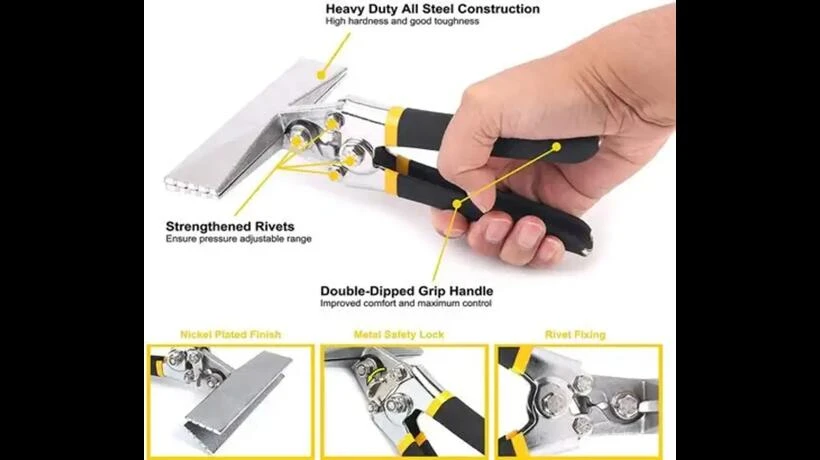
Working with sheet metal requires accuracy, control, and the right tools. Among the most useful hand tools for metal fabrication and HVAC work is the hand seamer
Working with sheet metal requires accuracy, control, and the right tools. Among the most useful hand tools for metal fabrication and HVAC work is the hand seamer. Whether you are installing ductwork, creating custom flashing, or making precise bends in metal, a hand seamer helps deliver clean and professional results.
Baut: tokohasil - Understanding the different types of hand seamers, their applications, and the best techniques for using them can improve efficiency and ensure high-quality workmanship.
What Is a Hand Seamer?
A hand seamer is a manual sheet metal tool designed to grip, bend, flatten, or straighten metal. It consists of two flat jaws and ergonomic handles that provide leverage for making controlled bends without damaging the material.
Hand seamers are commonly used by:
* HVAC technicians
* Roofers
* Sheet metal fabricators
* Construction professionals
* Maintenance personnel
* DIY enthusiasts working with metal
Because of their simplicity and reliability, hand seamers remain essential tools in many industries.
Common Types of Hand Seamers
Different jobs require different jaw widths and designs. Choosing the right hand seamer can significantly improve precision and productivity.
### 1. Straight Jaw Hand Seamers
Straight jaw seamers feature flat, parallel jaws that create accurate bends and folds.
They are ideal for:
* Ductwork fabrication
* Flashing installation
* Metal roofing projects
* Straightening sheet metal edges
Straight jaw models are among the most versatile and widely used hand seamers.
2. Offset Hand Seamers
Offset hand seamers have angled jaws that allow users to work in tight spaces or around obstructions.
Common applications include:
* HVAC duct adjustments
* Roof edge forming
* Working near walls and corners
* Confined installation areas
The offset design provides improved access and visibility.
3. Wide Jaw Hand Seamers
Wide jaw models distribute pressure evenly across a larger surface area.
These tools are useful for:
* Making long bends
* Flattening seams
* Working with larger sheet metal sections
* Reducing deformation during bending
Wide jaws help maintain consistent bends and cleaner finishes.
4. Duckbill Seamers
Duckbill seamers feature tapered jaws that provide excellent control when shaping intricate metal components.
They are commonly used for:
* Custom fabrication
* Decorative sheet metal work
* Precision forming
* Detailed repairs
Their shape allows technicians to perform delicate adjustments with greater accuracy.
Materials Suitable for Hand Seamers
Hand seamers are typically used with:
* Galvanized steel
* Aluminum
* Copper
* Stainless steel
* Tin
* Sheet metal used in HVAC systems
However, material thickness should match the tool's specifications. Attempting to bend metal beyond the tool's capacity may damage both the workpiece and the seamer.
Applications of Hand Seamers
Hand seamers are widely used across various industries because of their versatility.
HVAC Installation
HVAC professionals frequently use hand seamers to:
* Form duct edges
* Crimp and flatten seams
* Adjust fittings
* Create accurate bends during installation
Precise duct fabrication contributes to improved airflow and system performance.
### Roofing Projects
Roofers use hand seamers to shape flashing and metal panels around:
* Chimneys
* Skylights
* Valleys
* Gutters
* Roof edges
These tools help create watertight joints and professional-looking finishes.
Sheet Metal Fabrication
Metalworking shops rely on hand seamers for:
* Bending edges
* Straightening warped pieces
* Forming custom components
* Repairing damaged panels
Their ability to make small, controlled adjustments makes them indispensable in fabrication environments.
Automotive Repairs
Hand seamers are also useful in automotive applications, especially when:
* Reshaping body panels
* Repairing thin metal sections
* Forming custom sheet metal pieces
Their compact size allows technicians to work in confined areas.
How to Use a Hand Seamer
Using a hand seamer correctly ensures accurate bends and prevents material damage.
Step 1: Mark the Bend Line
Use a measuring tape and marker to identify where the bend should occur. Accurate measurements are essential for professional results.
Step 2: Position the Metal
Insert the sheet metal between the jaws of the hand seamer. Align the marked line with the edge of the tool to ensure a precise bend.
Step 3: Grip Firmly
Squeeze the handles together firmly so the jaws securely clamp the material.
Maintain even pressure to avoid slipping.
Step 4: Create the Bend
Apply gradual pressure and bend the material slowly. Avoid forcing the metal too quickly, as sudden movement may cause wrinkles or distortions.
For larger bends, work progressively along the length of the sheet.
Step 5: Inspect the Result
Check the angle and alignment after each bend. Make minor adjustments if necessary to achieve the desired shape.
Patience and consistency are key to producing professional-quality work.
Pro Tips for Better Results
Experienced technicians use several techniques to improve accuracy and efficiency.
### Choose the Correct Jaw Width
Hand seamers are available in various widths, including:
* 3-inch
* 4-inch
* 6-inch
Smaller jaws offer greater control, while larger jaws are better for long, straight bends.
Work Gradually
Instead of making one aggressive bend, create the angle in multiple stages. This minimizes stress on the metal and produces smoother results.
Avoid Excessive Force
Using too much force can leave marks on the material or damage the tool. Controlled pressure generally delivers better outcomes.
Keep the Tool Clean
Metal debris and dirt can affect performance.
Regularly:
* Wipe the jaws clean
* Remove rust
* Lubricate pivot points
* Inspect for wear
Proper maintenance extends tool life and ensures smooth operation.
Use Safety Equipment
Always wear:
* Safety glasses
* Work gloves
* Long sleeves when appropriate
Sheet metal edges can be extremely sharp and may cause serious injuries.
Advantages of Using a Hand Seamer
Hand seamers offer several benefits:
Precision
Their flat jaws provide controlled bending for accurate and repeatable results.
Portability
Unlike large bending machines, hand seamers are lightweight and easy to carry to job sites.
Versatility
They can perform multiple functions, including:
* Bending
* Flattening
* Straightening
* Forming
Cost-Effective
Hand seamers provide professional performance without the expense of larger fabrication equipment.
Durability
Quality hand seamers are made from hardened steel and can withstand years of demanding use.
Final Thoughts
A hand seamer is one of the most valuable tools for HVAC technicians, roofers, and sheet metal professionals. Its ability to create precise bends and make adjustments quickly makes it indispensable in both fabrication shops and field installations.
By understanding the different types of hand seamers, their applications, and the techniques used by experienced professionals, users can achieve cleaner bends, improve efficiency, and produce high-quality results. With proper handling and regular maintenance, a reliable hand seamer can remain an essential part of any metalworking toolkit for many years.



Comments
Login to Comment