How to Sell Scrap and Unwanted Car Without the Need for a Mechanic
15 Feb, 2026
7595 Views 0 Like(s)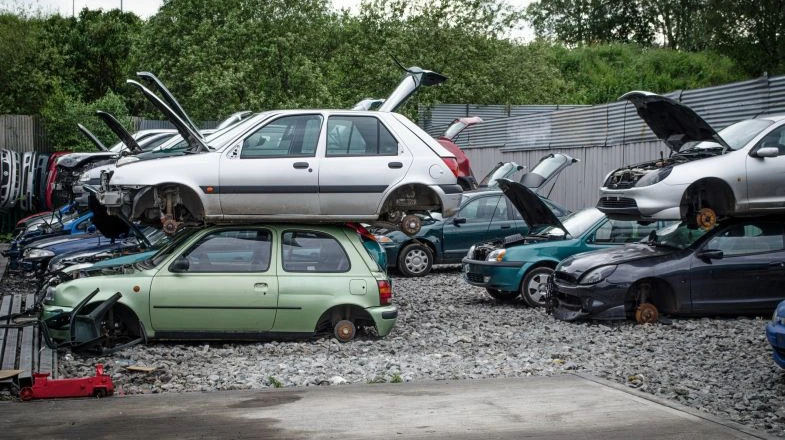
Learn how to sell your scrap and unwanted car without paying for repairs or hiring a mechanic. This guide explains how scrap car pricing works, what documents you need, how recycling adds value, and how to complete the sale legally in Australia while turning your old vehicle into cash.
Selling a scrap or unwanted car can feel confusing at first. Many car owners think they must repair the vehicle before selling it. Some believe a mechanic must inspect or fix the car to get a buyer. This is not true in many cases. You can sell your old, damaged, or non running car without paying for repairs.
In Australia, thousands of vehicles reach the end of their life each year. Many of these cars are no longer safe or worth repairing. Parts wear out. Engines fail. Gearboxes break. Rust spreads. When repair costs are higher than the car’s market price, selling it as scrap becomes a practical choice.
This guide explains how to sell your scrap and unwanted car without the need for a mechanic. It covers each step in clear detail so you can move forward with confidence.
Understand What a Scrap Car Is
A scrap car is a vehicle that is no longer suitable for regular road use. It may be damaged in an accident. It may have mechanical failure. It may be too old and worn out.
In many cases, scrap cars still hold value. Metal parts can be recycled. Engines and gearboxes may contain reusable components. Batteries, tyres, and catalytic converters can also be removed and processed. Steel is one of the most recycled materials in the world. According to industry reports, most of a car’s metal can be reused after proper processing.
This means that even a car that does not start can still bring money to the owner.
Decide If Repairs Are Worth It
Before selling, take a close look at your vehicle. Ask yourself a few direct questions:
Is the engine running?
Is the car safe to drive?
How much will repairs cost?
What is the car worth in its current condition?
If the repair cost is higher than the resale price, repairs may not make financial sense. Mechanics often charge for labour, parts, and diagnostic work. For older cars, the total bill can reach thousands of dollars. In such cases, selling the car as it is may be the smarter option.
You do not need a mechanic to confirm that your car is no longer viable. If it has major engine damage, severe rust, transmission failure, or has been written off by an insurer, it is already in scrap condition.
Gather Important Documents
Even if your car is not running, paperwork still matters. In Australia, you should prepare:
Proof of identity
Proof of ownership
Vehicle registration papers if available
If the car is still registered, check the rules in your state or territory. In some cases, you may need to cancel the registration before handing over the vehicle. You may also be entitled to a refund on the unused portion of registration.
If you have lost the papers, contact your local transport authority for guidance. Selling without proper ownership proof can cause delays.
Remove Personal Belongings
Before the car leaves your property, inspect it carefully. Check the glove box. Look under the seats. Open the boot. Remove all personal items.
Also remove the number plates if required by local law. In many Australian states, plates must be returned to the transport authority once registration is cancelled.
For more details about unwanted car removal services in Darwin, visit https://pscarremoval.com.au/unwanted-car-removal/
Compare Your Selling Options
There are several ways to sell an unwanted car. Each option has its own process.
Private Sale
You can advertise the vehicle online or in local classifieds. This method may take time. Buyers may ask many questions. They may request inspections. If the car does not run, interest may be low.
You also need to arrange transport if the buyer cannot drive it away.
Selling to a Wrecker or Scrap Buyer
Car wreckers buy vehicles in all conditions. They remove usable parts and recycle metal. Many of them collect the vehicle from your location.
This option removes the need for repairs. It also removes the need for advertising and long negotiations.
Trade In
Some dealerships accept trade ins, even if the car is old. However, if the vehicle is not running, the offered amount may be low. Dealerships focus on resale vehicles, not scrap metal.
For most non running or badly damaged cars, selling directly to a car removal or scrap buyer is the most practical path.
Understand How Scrap Car Pricing Works
Scrap car prices depend on several factors:
Weight of the vehicle
Current metal market rates
Condition of major parts
Make and model
Location
Steel prices change based on global demand. When demand for recycled metal rises, scrap values can increase. Larger vehicles such as four wheel drives and utes often weigh more, which can influence the offer.
Vehicles with intact engines, catalytic converters, and aluminium parts may also attract higher quotes.
Avoid Paying for Towing
One common mistake is paying for towing before confirming the sale. Many scrap car buyers include vehicle collection as part of the deal. This means they arrange transport and remove the car from your property.
Towing fees in Australia can range from hundreds of dollars depending on distance. By choosing a buyer who collects the vehicle, you keep more money in your pocket.
Be Honest About the Condition
When requesting a quote, provide accurate details. Mention if the car does not start. State if there is accident damage. Share the make, model, year, and location.
Clear information helps the buyer calculate a realistic offer. It also prevents disputes at pickup time.
There is no need to hide faults. Scrap buyers expect damage and wear.
Complete the Sale Properly
When the buyer arrives, confirm the agreed amount. Hand over the keys. Provide the required paperwork. Make sure you receive payment as agreed before the vehicle is removed.
Keep a record of the transaction. Notify the transport authority if required in your state. This step protects you from future liability linked to the vehicle.
Environmental Impact of Recycling Cars
Selling your scrap car supports recycling efforts. Cars contain steel, aluminium, copper, plastic, and rubber. When processed correctly, these materials can be reused in new products.
Recycling metal reduces the need for mining raw ore. It also lowers energy consumption compared to producing new steel from scratch. By selling your unwanted car for recycling, you contribute to reduced waste in landfills.
Fluids such as oil, coolant, and brake fluid are also removed and handled according to environmental rules. This prevents soil and water contamination.
When Time and Space Matter
An unwanted car often sits unused for months or years. It takes up driveway space. It may leak fluids. It may attract pests. Removing it clears your property and improves safety.
In regions like the Northern Territory, weather conditions can speed up rust and damage. Heat and humidity can break down rubber seals and paint. The longer a vehicle sits idle, the lower its condition becomes.
Choosing a direct car removal service can resolve this issue without involving a mechanic or repair workshop.
One example is the “Cash For cars Darwin” service provided by PS Car Removal. Services like this purchase vehicles in various conditions, including non running and damaged cars. They arrange collection from the owner’s location and handle the removal process. This approach aligns with the idea that you do not need to invest in repairs before selling. Instead of spending money on mechanical work that may not increase resale value, car owners can transfer the vehicle in its current state and receive payment based on its scrap and parts worth.
Common Mistakes to Avoid
Many sellers delay action because they think the car has no worth. In reality, even heavily damaged vehicles contain recyclable materials.
Another mistake is spending money on minor repairs in the hope of increasing the sale price. For very old cars, this rarely leads to a strong return.
Some owners also forget to cancel registration. This can result in ongoing fees. Always check your local transport authority requirements.
Final Thoughts
Selling your scrap and unwanted car without the need for a mechanic is entirely possible. You do not need to repair a failing engine. You do not need to fix dents or replace worn parts.
The key steps are clear. Assess the condition. Gather documents. Choose the right buyer. Confirm collection. Complete the paperwork.
Old vehicles still hold material worth. Recycling supports environmental goals. Removing an unused car frees up space and removes a burden from your property.
With the right approach, you can turn a non running vehicle into cash without spending money on repairs.

Comments
Login to Comment