How to Prepare Your Body for Mini Gastric Bypass Surgery
02 Sep, 2026
230 Views 0 Like(s)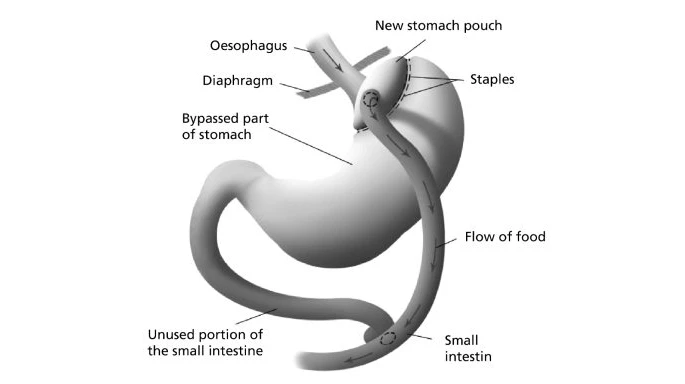
Preparing your body before weight loss surgery is an important part of achieving a smoother recovery and better long term results. Mini gastric bypass surgery is a metabolic and bariatric procedure designed to reduce food intake and alter nutrient absorption.
Preparing your body before weight loss surgery is an important part of achieving a smoother recovery and better long term results. Mini gastric bypass surgery is a metabolic and bariatric procedure designed to reduce food intake and alter nutrient absorption. Proper preparation can help patients understand the procedure, improve their nutritional status, establish healthier habits, and feel more confident about the journey ahead.
For individuals considering Mini Gastric Bypass Surgery in Islamabad, preparation should begin well before the day of surgery. Your surgeon and healthcare team may recommend medical evaluations, dietary changes, physical activity, medication adjustments, and lifestyle improvements based on your individual health needs. Following these recommendations carefully can reduce avoidable risks and help you transition more comfortably into life after surgery.
What Is Mini Gastric Bypass Surgery
Mini Gastric Bypass Surgery in Islamabad, also known as one anastomosis gastric bypass, is a type of bariatric surgery used to help people with obesity achieve significant and sustained weight loss. The procedure creates a smaller stomach pouch and connects it to a section of the small intestine.
How the Procedure Supports Weight Loss
The procedure works through several mechanisms that can support weight management.
- A smaller stomach pouch limits the amount of food that can be consumed at one time
- Changes to the digestive pathway can reduce calorie and nutrient absorption
- Hormonal changes may help reduce appetite and improve feelings of fullness
- The procedure can support improvements in certain obesity related health conditions
- Long term results depend on nutrition, physical activity, follow up care, and lifestyle changes
Mini gastric bypass is not simply a surgical solution. It is the beginning of a long term weight management program that requires commitment from the patient.
Why Preparing Your Body Matters
Good preparation can help make the surgical journey safer and more manageable. Your medical team may evaluate your overall health and identify conditions that need attention before surgery.
Physical Preparation
Your surgeon may recommend several steps before the procedure.
- Achieve or work toward a suitable preoperative weight
- Follow the recommended diet plan
- Increase appropriate physical activity
- Stay adequately hydrated
- Avoid smoking and tobacco products
- Follow instructions regarding alcohol consumption
- Take prescribed medications exactly as directed
- Attend all required medical appointments
These steps are individualized because every patient's medical history, weight, age, medications, and nutritional needs are different.
Schedule a Comprehensive Medical Evaluation
Before mini gastric bypass surgery, your healthcare team will usually want to understand your current health condition. Preoperative assessment helps identify potential concerns that could affect anesthesia, surgery, or recovery.
Common Preoperative Assessments
Depending on your health history, your medical team may recommend:
- Blood tests
- Blood pressure assessment
- Blood glucose evaluation
- Nutritional screening
- Heart evaluation when clinically indicated
- Sleep apnea assessment when appropriate
- Medication review
- Medical history and physical examination
- Anesthesia assessment
If you have an existing medical condition, your surgeon may coordinate with other healthcare professionals to ensure it is appropriately managed before surgery.
Follow Your Preoperative Diet
A preoperative diet is commonly used before bariatric surgery. The exact diet varies according to the patient's needs and the surgeon's protocol.
Why a Preoperative Diet May Be Recommended
The purpose may include helping reduce liver size and abdominal fat, making the operation technically easier in appropriate patients. It can also help patients become familiar with the dietary habits they will need after surgery.
Your plan may emphasize:
- Adequate protein
- Controlled portions
- Non sugary fluids
- Vegetables according to your medical plan
- Reduced intake of high calorie foods
- Avoidance of sugary beverages
- Limited processed and fried foods
Do not follow an extreme crash diet unless it has been specifically prescribed by your healthcare team.
Improve Your Nutrition Before Surgery
Good nutritional status is important for healing and recovery. Obesity does not necessarily mean that a person has adequate levels of every essential nutrient.
Important Nutritional Considerations
Your healthcare provider may check for deficiencies involving nutrients such as:
- Iron
- Vitamin B12
- Folate
- Vitamin D
- Calcium
- Protein status
If a deficiency is identified, your healthcare team may recommend appropriate supplementation or dietary changes before surgery.
Start Practicing Portion Control
Mini gastric bypass changes the size and capacity of your stomach pouch. Learning portion control before surgery can make the transition after surgery easier.
Build Better Eating Habits
Start practicing habits such as:
- Eating slowly
- Taking smaller bites
- Chewing food thoroughly
- Avoiding distracted eating
- Paying attention to hunger and fullness signals
- Reducing oversized portions
- Avoiding frequent unnecessary snacking
These habits can become valuable tools after surgery.
Increase Physical Activity Gradually
Physical activity can help improve your fitness before surgery and support recovery afterward. However, exercise should be appropriate for your current physical condition.
Safe Preoperative Activity
Depending on your abilities, you may begin with:
- Walking
- Gentle stretching
- Low impact exercises
- Light strength training when approved
- Gradually increasing daily movement
If obesity related joint pain or another medical issue limits exercise, discuss appropriate alternatives with your healthcare provider rather than forcing strenuous activity.
Stop Smoking Before Surgery
Smoking can negatively affect surgical recovery and increase the risk of complications. For this reason, patients are strongly encouraged to stop smoking before bariatric surgery.
Benefits of Smoking Cessation
Stopping smoking can help:
- Support better respiratory function
- Improve wound healing
- Reduce certain anesthesia related risks
- Improve overall cardiovascular health
- Support a healthier recovery
If you smoke, speak honestly with your healthcare team. They can help you develop an appropriate cessation plan.
Review Your Medications With Your Doctor
Never stop or change prescribed medication without medical advice. Some medicines may need adjustment before surgery, particularly medications that affect blood clotting, blood glucose, or other important body functions.
What Your Doctor May Review
Your medical team may discuss:
- Prescription medications
- Diabetes medicines
- Blood pressure medicines
- Blood thinning medicines
- Supplements
- Herbal products
- Over the counter medicines
Providing a complete list of everything you take helps your healthcare team plan safely for surgery.
Prepare for Anesthesia and Surgery
Mini gastric bypass surgery is generally performed under general anesthesia. Your anesthesia team will assess your medical history and provide specific instructions before the operation.
Follow Pre Surgery Instructions Carefully
You may receive instructions regarding:
- When to stop eating
- When to stop drinking
- Which medications to take
- Which medications to avoid
- Arrival time at the hospital
- Preoperative hygiene
- Required medical documents
Following these instructions exactly is important for your safety.
Prepare Yourself Mentally for the Procedure
Physical preparation is only one part of bariatric surgery. Emotional and psychological preparation can also be valuable because surgery brings significant lifestyle changes.
Understand the Lifestyle Changes
After surgery, you will need to adapt to:
- Smaller meals
- Different food textures during recovery
- Regular hydration
- Protein focused nutrition
- Vitamin and mineral supplementation when prescribed
- Regular medical follow ups
- Gradual return to physical activity
Understanding these changes before surgery can help you develop realistic expectations.
What to Expect After Mini Gastric Bypass Surgery
Recovery occurs gradually. Your healthcare team will provide a diet progression based on your individual recovery and surgical protocol.
Early Recovery
Immediately after surgery, your medical team will monitor you and gradually introduce fluids and nutrition according to your condition.
Patients may experience temporary symptoms such as:
- Tiredness
- Abdominal discomfort
- Nausea
- Changes in bowel habits
- Reduced appetite
Your healthcare team should be informed about symptoms that are severe, persistent, or unexpected.
Follow Your Postoperative Diet Plan
Your eating pattern after mini gastric bypass will be very different from your preoperative routine. The diet typically progresses through different stages as healing occurs.
Follow Each Stage Carefully
Your healthcare team may guide you through stages involving:
- Clear liquids
- Full liquids
- Pureed foods
- Soft foods
- Gradual introduction of regular foods
Do not advance your diet faster than recommended. Your stomach and digestive system need time to adapt.
Hydration Is Essential
Maintaining adequate hydration is an important part of bariatric recovery. Because your stomach capacity is smaller, drinking large quantities at once may be difficult.
Develop a Hydration Routine
You may be advised to:
- Take small sips regularly
- Prioritize approved fluids
- Avoid sugary drinks
- Follow your healthcare team's instructions regarding drinking around meals
- Monitor signs of dehydration
Your surgeon or dietitian can provide individualized fluid targets.
Take Recommended Vitamins and Supplements
Because mini gastric bypass changes the digestive pathway, nutritional deficiencies can occur if supplementation and monitoring are not followed appropriately.
Long Term Nutritional Monitoring
Your healthcare provider may recommend supplements and periodic blood testing to monitor nutritional health.
Commonly monitored nutrients may include:
- Iron
- Vitamin B12
- Folate
- Vitamin D
- Calcium
- Other vitamins and minerals according to individual needs
Never assume that a supplement is unnecessary simply because you feel well. Nutritional deficiencies can sometimes develop without obvious symptoms.
Build a Support System Before Surgery
Having support at home can make the early recovery period easier. Discuss your surgery and recovery requirements with trusted family members or others who will assist you.
Plan Practical Support
Consider arranging:
- Transportation after discharge
- Help with household responsibilities
- Support with children if required
- Time away from work
- Appropriate recovery space at home
- Easy access to recommended foods and fluids
Planning these details beforehand allows you to focus more on recovery.
Questions to Ask Your Bariatric Surgeon
A consultation is an opportunity to understand whether mini gastric bypass is appropriate for you.
Important Questions
Ask your surgeon:
- Am I a suitable candidate for mini gastric bypass?
- Which preoperative tests do I need?
- What diet should I follow before surgery?
- How much weight should I expect to lose?
- What complications should I know about?
- How long will my recovery take?
- What will my diet look like after surgery?
- Which supplements will I need?
- How often will I need follow up appointments?
- What happens if I experience weight regain?
Clear communication can help you make an informed decision.
Mini Gastric Bypass Surgery in Islamabad
Choosing the right bariatric team is an important part of preparing for surgery. Patients should consider the surgeon's experience, hospital facilities, preoperative assessment process, postoperative monitoring, dietetic support, and long term follow up.
When researching Mini Gastric Bypass Surgery in Islamabad, do not focus only on the procedure price. A comprehensive bariatric program should include proper evaluation, surgical planning, nutritional guidance, recovery support, and ongoing follow up.
Final Checklist Before Mini Gastric Bypass Surgery
Use this checklist to organize your preparation.
- Complete recommended medical tests
- Attend your surgeon consultation
- Follow the prescribed preoperative diet
- Improve hydration habits
- Work on portion control
- Maintain suitable physical activity
- Stop smoking if applicable
- Review all medications with your doctor
- Correct identified nutritional deficiencies
- Arrange transportation and home support
- Understand postoperative dietary stages
- Prepare questions for your surgical team
- Follow all hospital and anesthesia instructions
Start Your Weight Loss Journey With Slimthetics Clinic
Preparing properly can make your mini gastric bypass journey more organized and help you approach surgery with realistic expectations. At Slimthetics Clinic, patients can receive guidance throughout the bariatric surgery journey, from initial assessment and surgical planning to nutritional guidance and postoperative follow up. If you are considering Mini Gastric Bypass Surgery in Islamabad, consult the Slimthetics team to discuss your health goals, eligibility, procedure options, and personalized treatment plan before making your decision.



Comments
Login to Comment