How to Find Reliable Fabric Suppliers for Your Business
15 Aug, 2026
630 Views 0 Like(s)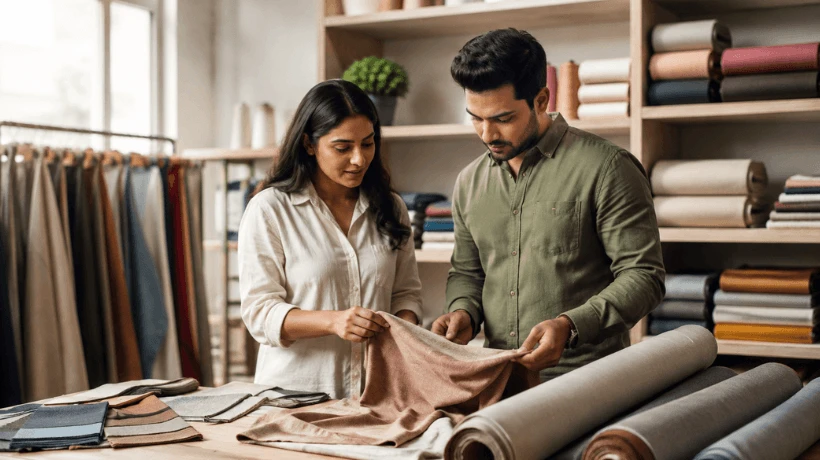
Behind every successful clothing brand is a fabric supplier that delivers consistent quality, on-time shipments, and fair pricing. Yet finding that reliable partner is often one of the hardest parts of running an apparel business. A single bad batch of fabric can delay production, damage customer trust, and eat into margins. At Fabriculture, we understand this challenge deeply, and we've put together practical guidance to help you identify suppliers you can actually depend on.
Behind every successful clothing brand is a fabric supplier that delivers consistent quality, on-time shipments, and fair pricing. Yet finding that reliable partner is often one of the hardest parts of running an apparel business. A single bad batch of fabric can delay production, damage customer trust, and eat into margins. At Fabriculture, we understand this challenge deeply, and we've put together practical guidance to help you identify suppliers you can actually depend on.
Why Supplier Reliability Matters More Than Price Alone
It's tempting to chase the lowest price when sourcing fabric, but the cheapest supplier isn't always the smartest choice. Inconsistent quality, missed deadlines, or poor communication can cost far more in the long run through production delays, customer complaints, and wasted inventory. Reliability should be weighed alongside price, not sacrificed for it. A slightly higher cost from a dependable supplier often saves money overall by reducing rework and returns.
Start With Clear Fabric Requirements
Before approaching any supplier, know exactly what you need — fiber type, GSM range, weave, color options, and minimum order quantities. Vague requirements lead to miscommunication and mismatched samples. The more specific you are upfront, the easier it becomes to evaluate whether a supplier can genuinely meet your needs.
Request and Test Samples Thoroughly
Never commit to bulk orders without testing samples first. Check the fabric's hand-feel, washability, colorfastness, and shrinkage. Wash and dry a sample the way your customers would, and observe how it holds up. A supplier confident in their product will have no issue providing samples, and this step alone can save you from costly production mistakes down the line.
Evaluate Communication and Responsiveness
How a supplier communicates before you place an order often reflects how they'll handle problems after you do. Are they responsive to questions? Do they provide clear, honest answers about lead times and limitations? Suppliers who are transparent about potential delays or fabric limitations tend to be more reliable partners than those who promise everything without detail.
Check for Consistency Across Orders
One of the biggest risks in fabric sourcing is batch-to-batch inconsistency, where color, weight, or texture varies slightly between orders. This can create visible differences across a product line, especially problematic for brands maintaining a consistent aesthetic. Ask suppliers about their quality control processes and, if possible, request samples from two different production batches to compare consistency.
Look for Suppliers Who Understand Your Industry
A supplier familiar with apparel manufacturing will understand nuances like fabric behavior after cutting, sewing tolerances, and industry-standard finishing techniques. Generalist suppliers who work across multiple industries may not grasp these apparel-specific considerations as well. At Fabriculture, our focus on garment-grade fabric sourcing means we understand these production realities firsthand, helping brands avoid common pitfalls.
Verify Ethical and Compliance Standards
For many modern brands, supplier reliability also includes ethical sourcing practices. Ask about labor practices, environmental compliance, and certifications where relevant. Customers increasingly care about how and where fabric is produced, and partnering with suppliers who meet ethical standards protects both your brand reputation and your supply chain integrity.
Build Long-Term Relationships, Not One-Off Transactions
The most reliable fabric sourcing comes from long-term supplier relationships rather than constantly switching vendors for marginally better pricing. A supplier who understands your brand's needs over time can anticipate issues, offer better terms, and prioritize your orders during high-demand periods. Investing in this relationship pays dividends as your brand scales.
Final Thoughts
Finding a reliable fabric supplier takes research, testing, and patience, but it's one of the most important investments a clothing brand can make. A dependable supplier relationship protects your production timelines, product quality, and ultimately your brand's reputation in the market.
FAQs
1. How many suppliers should a new brand work with initially?
Starting with one or two trusted suppliers is often best for new brands, as it allows for stronger relationship-building and easier quality control before expanding to multiple sources.
2. What red flags suggest a fabric supplier may be unreliable?
Vague answers about lead times, reluctance to provide samples, inconsistent communication, and unwillingness to share quality control details are all warning signs worth taking seriously.
3. Is it necessary to test every fabric batch from a trusted supplier?
While full testing may not be needed for every order once trust is established, periodic spot-checks help catch inconsistencies early, especially for larger production runs.
4. How important are minimum order quantities when choosing a supplier?
Very important for smaller or growing brands. Choosing a supplier whose minimum order quantities align with your production scale prevents excess inventory or unaffordable upfront costs.



Comments
Login to Comment