How to Control Weeds in Your Omaha Lawn Naturally
13 Apr, 2026
2247 Views 0 Like(s)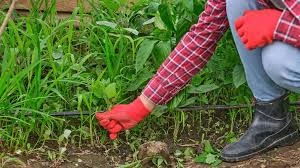
Keep your lawn weed-free without harsh chemicals. Learn natural methods including proper mowing, hand pulling, corn gluten, and vinegar for Omaha lawns.
Weeds are the enemy of a beautiful lawn. Dandelions, crabgrass, clover, and thistles invade your yard every year. Many homeowners reach for chemical herbicides. But there are natural ways to control weeds without harsh chemicals.
Natural weed control takes more time and effort. But it is safer for children, pets, and the environment. This guide explains how to control weeds in your Omaha lawn using natural methods.
The Best Natural Weed Control Is a Healthy Lawn
Dense Grass Crowds Out Weeds
Weeds need space to grow. A thick, dense lawn leaves no room for weeds. Grass that is healthy and vigorous will outcompete most weeds naturally. Focus on lawn health first. Weed problems will decrease significantly.
Proper Mowing Height Prevents Weeds
Mow at 3 to 3.5 inches for most of the year. Taller grass shades the soil. Weed seeds need light to germinate. Shaded soil prevents germination. This is one of the best natural weed controls available.
Correct Watering Encourages Grass
Water deeply and infrequently. Deep watering encourages grass roots to grow down. Weed roots are often shallower. Grass with deep roots outcompetes shallow-rooted weeds. Water once per week with one inch of water.
For homeowners who want a healthy, weed-resistant lawn, regular Lawn Mowing in Omaha, NE from Kanger Lawns keeps grass at the optimal height to shade out weeds.
Natural Methods for Specific Weeds
Hand Pulling Dandelions
Dandelions have deep taproots. Pull them when the soil is moist. Use a weeding tool to remove the entire root. Any root left behind grows back. Pulling is most effective in spring and fall.
Corn Gluten Meal for Crabgrass
Corn gluten meal is a natural pre-emergent herbicide. It prevents crabgrass seeds from germinating. Apply in early spring before soil reaches 55 degrees. Apply again in early fall. Corn gluten also adds nitrogen to the soil.
Vinegar for Spot Treatment
Household vinegar contains 5 percent acetic acid. It kills young weeds on contact. Spray directly on weed leaves. Avoid spraying grass. Vinegar is non-selective. It kills whatever it touches. Use carefully on driveways and patios.
Boiling Water for Driveway Weeds
Pour boiling water directly on weeds growing in cracks. This kills both the weed and its roots. The heat destroys plant cells. This method works well for patios, sidewalks, and driveways. Do not use near desired plants.
Mulching to Prevent Weeds
Mulch Garden Beds
Weeds in garden beds spread seeds to your lawn. Mulch all garden beds with two to three inches of organic mulch. Wood chips, bark, or straw work well. Mulch blocks light and prevents weed germination.
Grass Cycle Your Clippings
Mulch grass clippings back into your lawn. This returns nitrogen to the soil. It also creates a thin layer of organic matter that blocks some weed seeds. Do not bag clippings. Let them feed your lawn.
Collect Weed Seeds Before They Spread
Remove weeds before they go to seed. A single dandelion produces hundreds of seeds. Each seed can start a new weed. Pull weeds when you first see them. Do not wait until they flower.
Improving Soil Health Naturally
Aerate Your Lawn
Compacted soil favors weeds over grass. Core aeration relieves compaction. It allows air, water, and nutrients to reach grass roots. Aerate once per year in early fall. Grass will grow thicker and crowd out weeds.
Top Dress with Compost
Spread a thin layer of compost over your lawn. Compost adds organic matter and beneficial microbes. Healthy soil grows healthy grass. Healthy grass resists weeds. Top dress after aeration for best results.
Adjust Soil pH
Most weeds prefer different pH levels than grass. Test your soil pH. Omaha soils tend to be slightly acidic. Add lime if pH is too low. Grass grows best at pH 6.0 to 7.0. Proper pH favors grass over weeds.
When Natural Methods Are Not Enough
Accept Some Weeds
A perfectly weed-free lawn is difficult without chemicals. Consider accepting a few weeds. Clover adds nitrogen to the soil. Dandelions provide early spring food for bees. A few weeds do not ruin a beautiful lawn.
Target Problem Areas
Focus natural control on the worst areas. The front lawn may need more attention than the back. Spend your effort where it matters most. Perfect is the enemy of good. A mostly weed-free lawn is a success.
Combine Multiple Methods
No single natural method works perfectly. Combine several approaches. Proper mowing, correct watering, hand pulling, and corn gluten meal together work better than any one method alone. Be persistent.
Conclusion
Natural weed control is possible for Omaha lawns. The best defense is a healthy, dense lawn. Proper mowing at 3 to 3.5 inches shades weed seeds. Deep, infrequent watering encourages strong grass roots.
For specific weeds, use targeted natural methods. Hand pull dandelions with the entire root. Apply corn gluten meal for crabgrass prevention. Use vinegar or boiling water for spot treatment on patios and driveways.


Comments
Login to Comment