How to Choose the Best Industrial Dried Apricots Supplier for Bulk Orders
08 May, 2026
1879 Views 0 Like(s)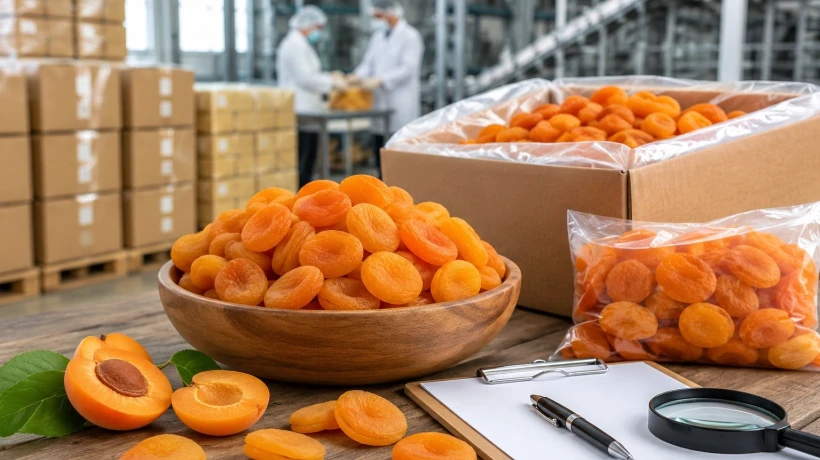
Take your time, ask the right questions, and choose a supplier who treats your business like it matters.
Buying in bulk is never just about price. When you're sourcing industrial dried apricots for large-scale production, a wrong supplier decision can cost you time, money, and customer trust.
Whether you're in food manufacturing, retail, or export, the supplier you pick shapes your entire supply chain.
So how do you make the right call? Let's break it down.
1. Check Product Quality First
Quality is non-negotiable. Before anything else, ask for product samples. Look for:
· Consistent color: Natural apricots should have a warm amber or orange tone.
· Low moisture content: Excess moisture leads to spoilage during shipping.
· No artificial additives: Clean-label buyers expect preservative-free products.
· Uniform size and texture: Important for processing and packaging lines.
A reliable supplier will never hesitate to send samples. If they do, that's already a red flag.
2. Evaluate Their Production Capacity
Can they actually handle your order volume? This is a question many buyers forget to ask early on.
Request information on:
· Annual production capacity
· Harvest season timelines
· Cold storage and warehouse facilities
· Their ability to handle repeat bulk orders year-round
Suppliers rooted in major apricot-growing regions, like Turkey's Malatya province, often have better access to raw material and more stable output throughout the year.
3. Look for Certifications and Compliance
Working with a certified supplier protects your business legally and commercially. Key certifications to look for include:
· ISO 22000 or HACCP: For food safety management
· Organic certification: If your buyers require it
· Export licenses: Especially for cross-border trade
Don't skip this step. Certifications signal that a supplier has proper systems in place, not just good intentions.
4. Understand Their Packaging and Logistics
Packaging matters a lot in bulk orders. Poor packaging leads to contamination, moisture damage, and product rejection at customs.
Ask your supplier:
· What packaging formats do they offer? (cartons, vacuum packs, jumbo bags)
· Do they offer custom labeling?
· How do they handle cold-chain logistics?
· What's their average lead time for large orders?
Suppliers experienced in international trade usually have this process streamlined.
5. Review Their Pricing Model Honestly
Cheap doesn't always mean cost-effective. A very low price sometimes hides:
· Inferior product grades
· Hidden shipping charges
· Inconsistent quality batch to batch
Ask for a transparent pricing breakdown. The best suppliers are upfront about what you're paying for and why.
6. Communication and After-Sales Support
You want a partner, not just a vendor. Before committing, pay attention to:
· How quickly they respond to queries
· Whether they assign a dedicated point of contact
· Their policy on damaged or rejected shipments
· Flexibility during order changes
Suppliers who communicate well before the order usually handle issues well after it too.
7. Ask for References or Client History
A track record speaks louder than a brochure. Ask:
· How long have they been exporting?
· Do they have clients in your target market?
· Can they provide trade references or buyer testimonials?
Established suppliers will have no problem sharing this.
Final Thoughts
Choosing the right supplier for bulk dried apricot orders takes research, due diligence, and the right questions. Don't rush the process.
If you're looking for a trusted almonds supplier and exporter alongside premium dried apricots, Malatya Apricot brings years of expertise, certified quality, and reliable global shipping to every order.
Their deep roots in Turkey's Malatya region give them a natural edge in consistency, freshness, and volume capacity.
Take your time, ask the right questions, and choose a supplier who treats your business like it matters.

Comments
Login to Comment