How to Choose Extendable Dining Tables and Chairs for Flexible Family Dining
26 Oct, 2026
6 Views 0 Like(s)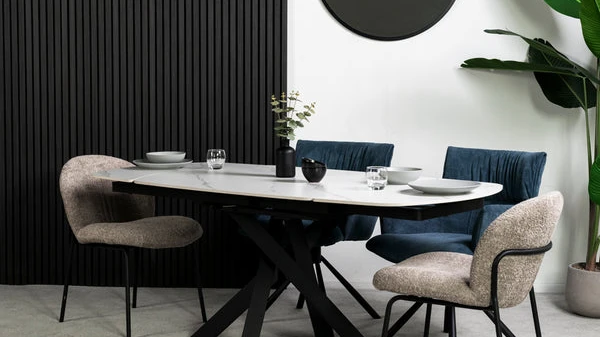
An extendable dining table and chairs set offers a practical way to balance everyday convenience with extra seating when guests arrive. The key is to consider the room, the people who will use it, and how the furniture will fit into the wider home.
A dining area needs to work for everyday meals as well as birthdays, seasonal celebrations, and evenings with friends. In many homes, the number of people using the space changes from day to day. Choosing furniture that can adapt to those different occasions helps create a room that feels comfortable without taking up unnecessary space.
An extendable dining table and chairs set offers a practical way to balance everyday convenience with extra seating when guests arrive. The key is to consider the room, the people who will use it, and how the furniture will fit into the wider home.
Start with the Room Measurements
Measure the length and width of the dining area before choosing a table. Include the space needed to pull chairs out and walk behind seated diners. As a general guide, around 90 cm of clearance around the table is useful where the room allows, although the best layout depends on doors, walkways, and other furniture.
Remember to measure the table in both its compact and extended configurations. A table may fit comfortably during the week but obstruct a doorway when opened for a larger gathering. Check the full dimensions and think about where additional chairs will sit.
If the dining area is part of an open-plan kitchen or living room, keep the main routes between spaces clear. A good arrangement should feel natural rather than forcing people to squeeze around furniture.
Choose an Extension Mechanism That Suits You
Extendable tables use different mechanisms. Some have leaves stored inside the table, while others require separate extension panels to be stored elsewhere. Consider how often you expect to extend the table and whether you can manage the mechanism comfortably.
If you host guests regularly, an easy-to-operate design can make preparation less stressful. Check that the table feels stable when extended and that the panels align properly. Follow the manufacturer's guidance for opening, closing, and storing any removable leaves.
Think about your usual household size as well. A table that is suitable for four people most days and six or eight on special occasions may be more useful than a permanently large table that dominates the room.
Match Chairs to the Table
Chairs should be comfortable, stable, and proportionate to the table. Check seat height and the clearance beneath the tabletop so that chairs can slide in without hitting the apron or legs. Armchairs can be comfortable, but they often require more width than armless designs.
You do not necessarily need every chair to match exactly. A coordinated set creates a consistent look, while mixing materials or using upholstered end chairs can add character. If you plan to add extra chairs only for gatherings, choose occasional seating that complements the main set and can be stored conveniently.
Comfort is important when meals last a long time. Consider back support, seat padding, and upholstery maintenance. For busy family homes, wipe-clean finishes or removable covers may be useful, depending on the product.
Select Materials for Everyday Life
Wood and wood-effect finishes are popular because they work with many interior styles. Natural grain can make a dining area feel warm, while darker finishes can create a more formal atmosphere. Glass can make a room appear visually lighter, though fingerprints may be more noticeable. Other hard surfaces may be easy to wipe down, but their care requirements vary.
Choose based on how the table will be used rather than appearance alone. Families with young children may prioritise a surface that is easy to clean. If the table also serves as a work or homework area, consider scratch resistance and the amount of usable tabletop space.
Always read the manufacturer's care instructions and use cleaning products that are suitable for the finish.
Create a Cohesive Home Layout
Dining furniture should work alongside the rest of the home. In a compact property, visual consistency can help rooms feel connected, especially when the dining area sits near the lounge. Repeat a small number of colours or materials rather than trying to match every item exactly.
When planning a living room update, some people also compare local retailers and browse online for ideas. Searching for sofa stores near me may be part of that research, but compare the actual product range, delivery coverage, dimensions, and policies before deciding where to buy. The phrase itself is often used as a search query, so make sure any retailer you choose offers furniture that suits your needs.
Plan Storage and Movement
Think about where spare chairs and extension leaves will be stored. If the panels must be kept separately, measure a cupboard or other suitable space before buying. Avoid storing heavy components where they could fall or become difficult to retrieve.
Also consider lighting. A pendant positioned above the table can help define the dining zone, while leaving enough clearance for people to move around. Keep decorations proportionate to the tabletop so that serving dishes and place settings still have room.
Make a Practical Long-Term Choice
Before ordering, check product dimensions, assembly requirements, delivery access, warranty details, and return conditions. Measure doorways and staircases if the table arrives in a large package. If possible, compare several options against the same checklist rather than judging each design in isolation.
The right extendable dining table and chairs provide flexibility without sacrificing comfort or style. By measuring carefully, choosing a suitable extension system, and selecting chairs that fit both the table and the room, you can create a dining space that works for ordinary family meals and larger occasions alike.



Comments
Login to Comment