How Healthcare Teams Can Prepare Instruments for Surgical Procedures
21 Oct, 2026
7 Views 0 Like(s)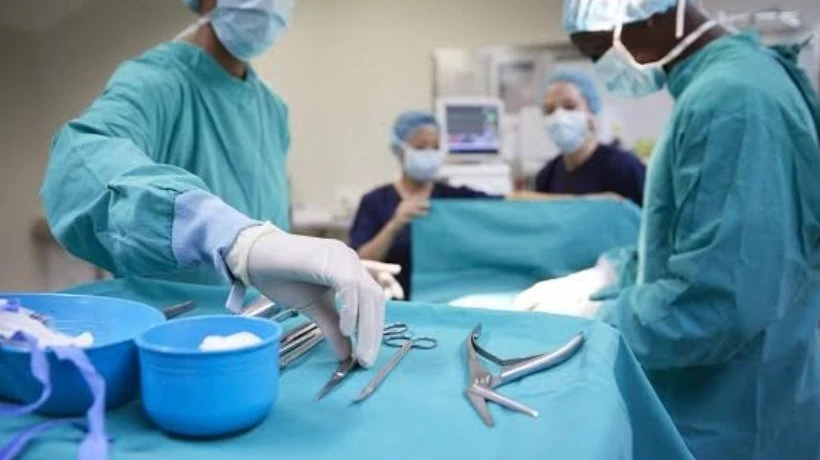
Preparing instruments for surgical procedures requires careful planning, proper inspection, and strict adherence to cleaning and sterilisation protocols. Learn how healthcare teams can select suitable instruments, organise surgical tools, maintain accurate records, and support efficient clinical workflows through effective instrument preparation practices.
Preparing instruments for surgical procedures is an important part of maintaining an organised and effective clinical environment. Healthcare teams depend on suitable instruments being available, properly inspected, and prepared according to the requirements of each procedure. When preparation is handled systematically, it helps reduce avoidable interruptions and supports consistent working practices in operating rooms and other clinical settings.
Instrument preparation involves several stages, including identifying the required equipment, checking its condition, cleaning and sterilisation where applicable, and arranging items for convenient access. Each stage requires attention to detail and adherence to established clinical protocols.
Understanding these processes can help healthcare professionals recognise why preparation matters and how well-organised instrument management contributes to surgical workflows.
Understanding the Requirements of Each Procedure
The first step in preparing surgical instruments is understanding the specific requirements of the planned procedure. Different operations require different instrument types, sizes, and configurations. Preparing a standard set without considering the procedure may result in missing equipment or unnecessary items occupying valuable workspace.
Healthcare teams should use approved instrument lists, procedure-specific checklists, and established protocols to identify the equipment required. The surgeon and relevant clinical staff may have particular preferences or requirements that should be communicated before preparation begins.
The selection process should also account for the patient's needs and the nature of the procedure. By confirming these details in advance, teams can prepare the appropriate equipment and reduce the likelihood of avoidable delays.
Selecting Suitable Surgical Instruments
Instrument selection requires attention to functionality, construction, and intended use. Scalpels, forceps, scissors, retractors, clamps, and other specialised instruments each serve different purposes. Choosing the correct type helps ensure that the equipment is appropriate for the planned task.
Healthcare facilities sourcing surgical supplies australia should consider the intended clinical application, product specifications, material quality, and relevant regulatory requirements. Instruments should be obtained from suppliers that provide clear product information and appropriate documentation.
It is also important to distinguish between reusable and single-use instruments. Reusable products must be processed according to the manufacturer's instructions, while single-use devices should be handled and discarded in accordance with their specified requirements and applicable clinical policies.
Selecting appropriate equipment at the beginning makes subsequent preparation stages more straightforward.
Inspecting Instruments Before Use
Inspection is an essential part of instrument preparation. Before an instrument is made available for a procedure, trained staff should check it according to the facility's approved procedures and the manufacturer's guidance.
Inspection may include looking for visible damage, corrosion, cracks, loose joints, or other signs that an instrument may not function as intended. Moving components should be assessed where relevant, and cutting instruments should be checked using the appropriate inspection method.
Damaged, incomplete, or unsuitable instruments should be removed from use and reported through the established process. They should not be returned to the instrument set simply because replacement equipment is inconvenient to obtain.
Regular inspection helps identify potential problems before instruments reach the clinical team and supports consistent equipment management.
Following Cleaning and Sterilisation Protocols
Cleaning and sterilisation are distinct but closely connected stages in reusable instrument processing. Cleaning removes visible soil and organic material, while sterilisation is a validated process intended to eliminate viable microorganisms, including bacterial spores.
Reusable surgical instruments must be cleaned, inspected, packaged, and sterilised according to the manufacturer's validated instructions and the healthcare facility's infection prevention procedures. The appropriate method depends on the instrument's design, materials, and intended use.
Healthcare teams should ensure that instruments are compatible with the selected processing method. Particular attention may be needed for instruments with hinges, narrow channels, complex surfaces, or detachable components.
Staff must also follow the facility's procedures for monitoring sterilisation cycles, documenting results, and managing any failed or incomplete cycle. Instruments should not be released for use until the required checks have been completed and acceptance criteria have been met.
These measures help maintain appropriate infection prevention standards and ensure that equipment is prepared consistently.
Organising Medical Operation Tools
Once instruments have been processed and approved for use, their organisation becomes an important consideration. Correct arrangement helps healthcare professionals identify the equipment they need without unnecessary searching or disruption.
Different medical operation tools should be arranged according to the approved instrument list and the requirements of the procedure. Instrument trays and sets should be organised consistently so that team members can recognise the location of essential items.
Where applicable, protective packaging and sterile barriers must remain intact until the appropriate point of use. Staff should check package integrity, relevant indicators, and expiry or event-related storage requirements according to facility policy.
Clear identification and consistent arrangements also make it easier to detect missing items during preparation and support established instrument-counting procedures.
Using Checklists and Clear Communication
Checklists provide a structured way to confirm that the required preparation tasks have been completed. They can help teams verify instrument availability, identify missing items, and ensure that essential checks are not overlooked.
The exact checklist will depend on the healthcare setting and the procedure being performed. It may cover instrument selection, inspection, packaging integrity, sterilisation documentation, and other preparation requirements defined by local policy.
Communication is equally important. Staff should report damaged instruments, missing components, processing concerns, or unexpected substitutions as soon as they are identified.
When responsibilities are clearly assigned, each team member understands which tasks they must complete and where to escalate concerns. This reduces ambiguity and helps the team maintain a consistent preparation process.
Maintaining Records and Tracking Instruments
Instrument tracking helps healthcare facilities maintain visibility over their equipment. Records may document processing cycles, inspection outcomes, maintenance activity, and the movement of instruments between departments.
Depending on the facility's systems, tracking may use written logs, labels, barcodes, or digital instrument-management software. The chosen approach should support accurate identification and comply with relevant documentation requirements.
Records can also help identify recurring problems, such as frequently damaged instruments or delays caused by shortages. Reviewing this information allows facilities to plan maintenance, manage inventory, and assess whether additional instruments are needed.
Accurate documentation supports accountability and makes it easier to investigate concerns when they arise.
Supporting Staff Training and Equipment Maintenance
Even high-quality instruments require appropriate handling and maintenance. Healthcare facilities should ensure that staff responsible for preparation understand the correct procedures for cleaning, inspection, storage, and handling.
Training should reflect the instruments being used, the manufacturer's instructions, and the facility's current protocols. New staff should receive suitable guidance before independently undertaking specialised processing tasks.
Maintenance arrangements are also important. Instruments showing signs of wear or damage should be assessed by appropriately qualified personnel. Where repairs are required, the equipment should be managed according to the facility's established procedures.
Staff should never improvise processing methods or continue using an instrument that does not meet the required acceptance criteria. Clear procedures help ensure that concerns are addressed consistently.
Conclusion
Preparing instruments for surgical procedures requires a coordinated approach involving careful selection, inspection, cleaning, sterilisation, organisation, and documentation. Each stage contributes to a more structured clinical workflow and helps ensure that the equipment is appropriate for its intended use.
Healthcare facilities sourcing surgical supplies australia should evaluate product suitability, supplier information, and relevant processing requirements before purchasing instruments. Once acquired, medical operation tools must be managed according to the manufacturer's instructions and the facility's approved clinical procedures.
By combining suitable equipment with staff training, consistent checklists, and effective communication, healthcare teams can improve instrument preparation practices and support organised surgical environments.



Comments
Login to Comment