Can Decollatage Whitening Improve the Look of Dark Skin?
21 Oct, 2026
10 Views 0 Like(s)
Are you exploring Decolletage Whitening In Dubai? Many procedures aid in reducing hyperpigmentation and enhancing skin tone and texture.
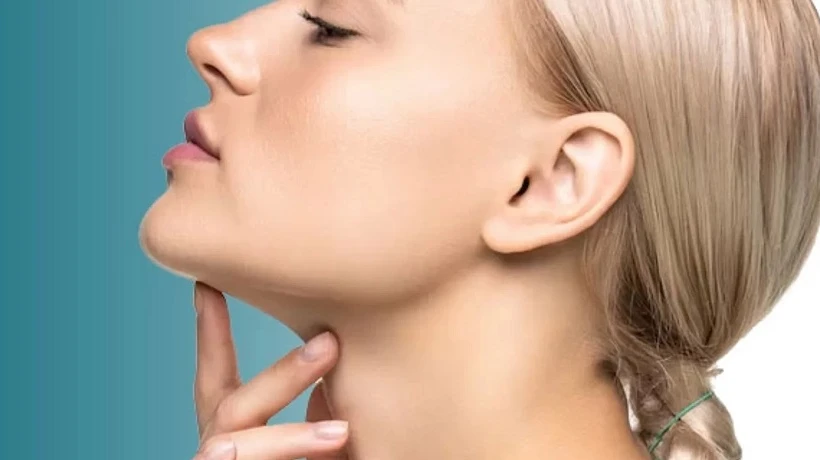
The decolletage is the delicate area extending from the base of the neck across the upper chest, including the skin around the collarbones. This region is frequently exposed to sunlight and environmental irritants, making it vulnerable to uneven pigmentation, dark patches, and changes in skin tone. People with darker skin may notice discoloration caused by excess melanin production, friction, or inflammation. Decolletage Whitening in Dubai is a skincare approach that focuses on improving the appearance of uneven pigmentation while supporting a smoother, more balanced-looking complexion.
Can Decolletage Whitening Help Dark Skin?
Decolletage whitening may help improve the appearance of certain types of pigmentation when suitable ingredients and professional skincare methods are selected. However, the goal should be a more even complexion rather than changing someone's natural skin colour. Darker skin contains more melanin, which provides natural protection against ultraviolet radiation but can also contribute to visible pigmentation when melanin production becomes uneven. A carefully selected skincare routine can support a more uniform appearance while maintaining the skin's natural characteristics.
Common Causes of Dark Patches on the Chest
Several factors can contribute to an uneven appearance across the neck and upper chest. Identifying these factors helps people make informed decisions about skincare and pigmentation management.
-
Sun exposure: Ultraviolet radiation can stimulate melanin production and contribute to darker patches on exposed skin.
-
Friction and irritation: Tight clothing, jewellery, and repeated rubbing may trigger inflammation and pigmentation.
-
Post-inflammatory hyperpigmentation: Acne, rashes, or other skin irritation can leave dark marks after the original problem settles.
-
Hormonal and individual factors: Hormonal changes and genetic predisposition may influence how pigmentation develops.
How Melanin Influences Dark Skin
Melanin is the natural pigment responsible for skin colour. It is produced by specialised cells called melanocytes and helps protect the skin against ultraviolet radiation. In darker skin tones, greater melanin activity can make pigmentation more noticeable following inflammation, irritation, or sun exposure. This does not mean that dark skin is unhealthy or needs to be lightened. Instead, skincare should focus on maintaining skin health, reducing avoidable irritation, and addressing uneven pigmentation where appropriate.
The Importance of Sun Protection
Sun protection is a fundamental part of caring for the decolletage, particularly when pigmentation is a concern. The upper chest often receives direct sunlight during outdoor activities, and ultraviolet exposure may intensify existing dark patches. Applying broad-spectrum sunscreen with SPF 30 or higher to exposed areas can help protect the skin. Reapplication is important during prolonged outdoor exposure, especially after swimming or sweating. Protective clothing and avoiding excessive midday sun can provide additional support.
Choosing Gentle Treatments for Darker Skin
Darker skin can be more susceptible to post-inflammatory hyperpigmentation when treatments cause excessive irritation. For this reason, skincare approaches should prioritise skin safety rather than aggressive exfoliation or rapid lightening. Depending on the underlying concern, suitable options may include topical products, carefully selected exfoliating ingredients, or dermatologist-supervised procedures. Strong chemical peels and certain energy-based treatments require particular caution because inappropriate settings or formulations may cause burns, inflammation, or additional pigmentation.
Everyday Habits That Support Healthy Decolletage Skin
Daily habits play an important role in maintaining comfortable, healthy-looking skin. A simple routine is often preferable to using numerous products that may irritate the delicate chest area.
-
Cleanse with a mild, fragrance-free product to remove sweat and surface impurities.
-
Apply a moisturiser suited to the skin type to support hydration and barrier function.
-
Avoid harsh scrubs, unverified bleaching products, and excessive exfoliation.
-
Choose breathable clothing to reduce friction and irritation.
-
Keep the neck and upper chest included in regular sun-protection practices.
When Dark Skin Discoloration Needs Assessment
Not every dark patch is caused by ordinary pigmentation. Some changes may be associated with eczema, fungal infections, medication reactions, or other skin conditions. Thickened, velvety dark skin around the neck or upper chest may sometimes be linked to an underlying medical issue, including insulin resistance. A new, rapidly changing, itchy, painful, or irregularly coloured patch should be assessed by a healthcare professional. Avoid applying bleaching agents to unexplained skin changes because they may worsen irritation or delay appropriate diagnosis.
Final Thoughts
Decolletage whitening can be part of a thoughtful skincare approach for people who want to address uneven pigmentation on the upper chest. Its suitability depends on the cause of discoloration, the condition of the skin, and the ingredients or methods being considered. For darker skin tones, gentle care is especially important because irritation may contribute to further pigmentation. Sun protection, appropriate moisturising, and carefully selected skincare ingredients can support a more balanced-looking complexion while preserving natural skin colour.

Comments
Login to Comment